REVIEW · SAVANNAH
Doctor Buzzard’s Goodtime Ghost Tour
Book on Viator →Operated by Bonaventure, Historic Savannah, Low Country & Private with Shannon Scott Tours · Bookable on Viator
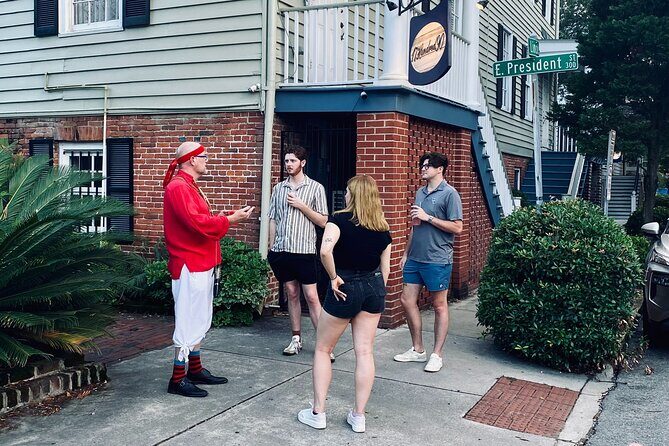
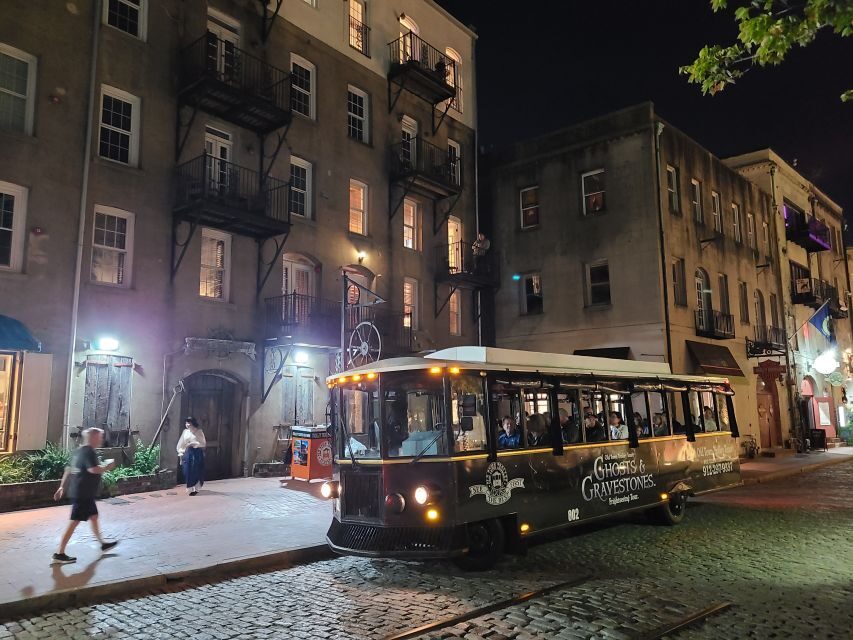
Savannah’s ghosts start at a jail. On Doctor Buzzard’s Goodtime Ghost Tour, I like the small-group feel and the way the guide turns street corners into stories that stick. You do a lot outdoors, and the tour leans more on narration than on going inside buildings, so plan around that.
At about 2 hours, you’ll pace through some of Savannah’s most famous haunted-address territory, from old confinement spaces to cemeteries and electrified homes. If you’re the type who enjoys chilling lore with clear local context, this hits a sweet spot—especially with the included download of America’s Most Haunted City – Savannah to refresh your memory after the walk.
In This Review
- Quick hits to know before you go
- Price and what you actually get for $33.33
- Route basics: from Pulaski Monument to Colonial Park Cemetery
- Chatham County Jail and Greene Square: why Savannah scares in plain sight
- Conrad Aiken Home and Calhoun/Taylor Square: poets, nurses, and what’s underfoot
- Colonial Park Cemetery: hangings, yellow fever, and the Man in Blue
- Juliette Gordon Low Birthplace: haunting with old documentation
- Hamilton-Turner House and Kehoe House: electrified interiors and funeral-home eeriness
- Davenport House and the Old Sorrel-Weed add-on question
- Wright Square to 1790 Inn: burials under the city and the Warrens thread
- What makes the tour feel special: guide style and small-group pacing
- Who should book this (and who might want a different style)
- Should you book Doctor Buzzard’s Goodtime Ghost Tour?
- FAQ
- How long is Doctor Buzzard’s Goodtime Ghost Tour?
- How much does the tour cost?
- Where does the tour start and end?
- Is the tour offered in English?
- What’s included with the ticket?
- Are entrances and admission fees included for all stops?
- Is this tour good for people with walking concerns?
- What happens if the tour is canceled due to weather?
Quick hits to know before you go
- Twelve-plus haunting stops in roughly two hours, with short stops (mostly 5–15 minutes each) that keep the pace moving
- Max group size of 16, which usually means more personal storytelling and fewer dead-air pauses
- Mobile ticket + English tour, simple to show and follow without hunting for paper
- Most stops are free to view externally, but a few famous sites list tickets as not included
- Includes a downloadable Savannah documentary, handy for connecting dots after dark stories settle in
- Works best with good weather, and you’ll want to dress for it because you’ll be outside
Price and what you actually get for $33.33
At $33.33 per person for a tour that runs about 2 hours, you’re paying for a guided walk through haunted Savannah, not for a stack of paid museum admissions. The value is in the structure: one guide, multiple stops, and a tight loop through the city’s spooky landmarks—so you’re not stuck piecing together your own route.
Here’s what’s included: a guide plus one download of the documentary America’s Most Haunted City – Savannah. That download matters more than you might think. Savannah ghost stories can blend together fast once you’re done walking. Having a refresher lets you review names, places, and themes later, instead of relying only on the blur of night air and streetlights.
What’s not included is also important to your budgeting: bottled water, bathrooms, and some admission tickets at specific stops. So while the tour is a good deal on paper, you’ll get the most out of it if you decide in advance whether you want to pay extra for inside access at the locations that list tickets separately.
Other ghost & haunted tours we've reviewed in Savannah


Route basics: from Pulaski Monument to Colonial Park Cemetery
The tour starts at the Casimir Pulaski Monument, 4 W Taylor St, Savannah, GA 31401. It ends near Colonial Park Cemetery, 200 Abercorn St, Savannah, GA 31401, and your guide should finish close to the starting area—no more than about a 15-minute walk away.
That “close but not identical” detail is worth taking seriously. When I’m planning a walking tour that ends near a major landmark, I like knowing my fallback plan: charge your phone, and save the Pulaski Monument or Monterey Square in your navigation so you can always return without guessing.
The tour is marked for moderate physical fitness and it’s not recommended for anyone with walking concerns. Even though each stop is short, you’ll still be moving from square to square and address to address. Bring comfortable shoes and expect cobblestones and uneven sidewalks.
Practical note: service animals are allowed, and the route is near public transportation. That helps if you’re pairing this with dinner plans elsewhere.
Chatham County Jail and Greene Square: why Savannah scares in plain sight
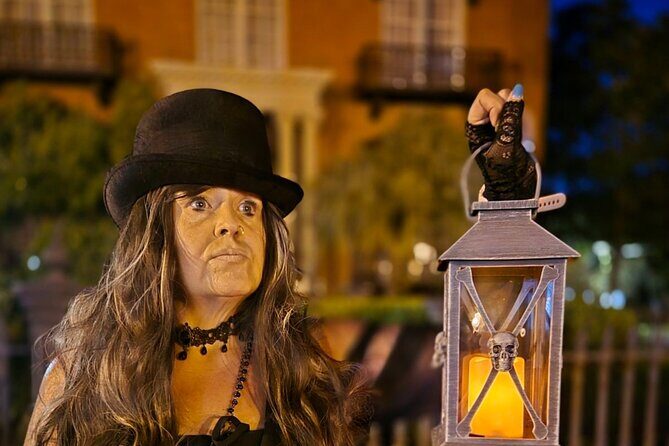
This tour wastes no time. Early on, you’re sent to Chatham County Jail (Old City Jail)—a site tied to confinement, a mix of prisoner types, and an execution cell. The story isn’t just spooky for the sake of it. The guide sets up why the building’s reputation stuck: when a place is built around fear and punishment, it shapes how people remember everything that happened there.
Then you move to Greene Square, where the haunting lore points toward an old female orphanage. The tone shifts toward tragedy: bank robbers who supposedly learned consequences the hard way, and a darker, more personal type of ghost story involving a teenage girl at a moment of despair who is comforted by a familiar presence. I like how this section balances theatrical ghost talk with the emotional weight of what the stories are trying to capture.
A small heads-up: this tour doesn’t sell you on deep museum immersion at every stop. It’s more about the way Savannah neighborhoods hold memory. If you want quiet, long indoor viewing time, you may feel the schedule is tight and the “look and listen” format dominates.
Conrad Aiken Home and Calhoun/Taylor Square: poets, nurses, and what’s underfoot
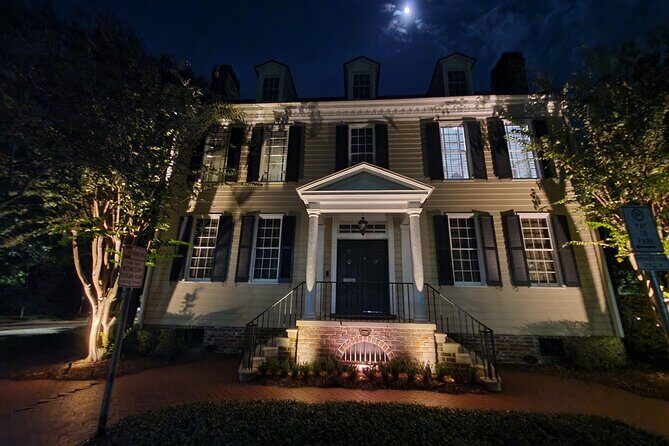
Next comes Conrad Aiken Home, where the guide connects a childhood tragedy—murder and suicide—with the life of one of the world’s notable poets. This is one of those stops that works even if you’re not trying to be scared. It shows how Savannah’s ghost lore often ties back to real people and real events, then carries forward through art, cemeteries, and local legends.
Right after, you head toward Calhoun Square, now known as Taylor Square for a famed nurse. The most sobering part here is what the guide points out about the ground beneath the square: beneath it lies one of Savannah’s original black burial grounds, built over as the city expanded. That history doesn’t get swept aside for entertainment—it’s treated as part of how the haunting stories are anchored.
You’ll also hear about the Espy House and an address tied to 432 Abercorn. This is where the tour’s “goodtime ghost” branding makes sense. It’s not a sterile lecture. The guide links landmarks like they’re clues in a citywide mystery.
Colonial Park Cemetery: hangings, yellow fever, and the Man in Blue
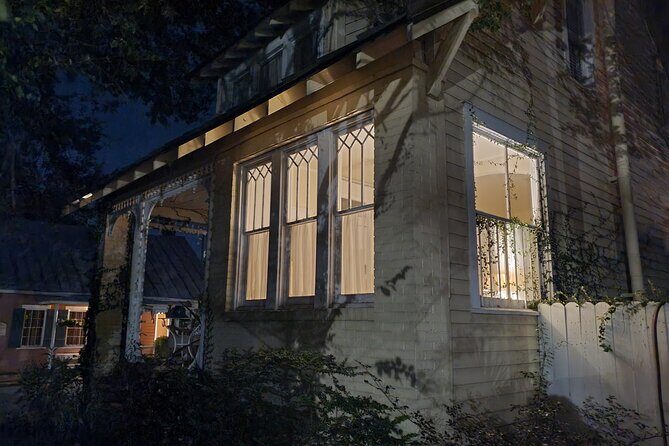
The tour’s emotional peak for many people is Colonial Park Cemetery, a famous cemetery dating to the 1750s. You’ll hear about colonial hangings and mass graves, plus stories connected to yellow fever and the way the community handled illness across centuries.
Then the guide shifts into the supernatural thread people come for: the Man in Blue apparition. The point isn’t only the spooky figure. It’s how the cemetery’s layered use—historical and modern—feeds ongoing local beliefs. When a place has centuries of arrivals, losses, and burials in a compact area, it becomes fertile ground for stories that keep getting retold.
If you’re sensitive to heavy themes, take the cemetery stop as a signal to slow down your expectations. This is where the tour becomes more than “fun scary.” You’ll feel the gravity.




Juliette Gordon Low Birthplace: haunting with old documentation
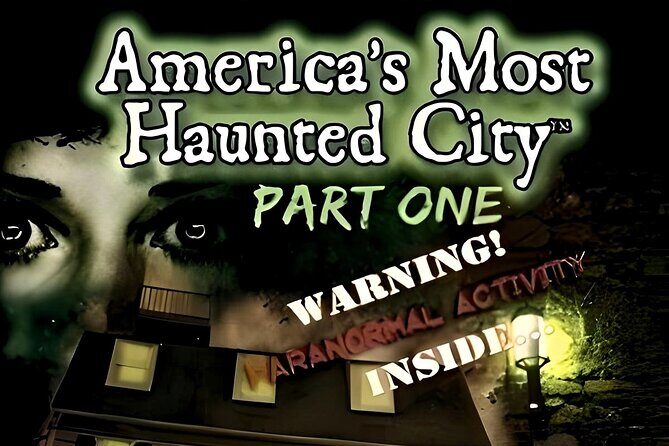
From the cemetery, the tour moves to the Juliette Gordon Low Birthplace Museum. The guide frames this as one of Savannah’s most documented haunted homes, with accounts running back over a century.
I like the way this stop is presented from both a family and organizational angle—because it changes how you interpret the ghost stories. Instead of the haunting being only about surprise scares, it becomes tied to how people preserve a place’s meaning. That’s a big reason the lore feels more grounded here than in purely modern “gotcha” ghost claims.
Timing is short—around 10 minutes—but you’ll get a sense of why this location’s stories kept living in public memory long after the events.
Hamilton-Turner House and Kehoe House: electrified interiors and funeral-home eeriness
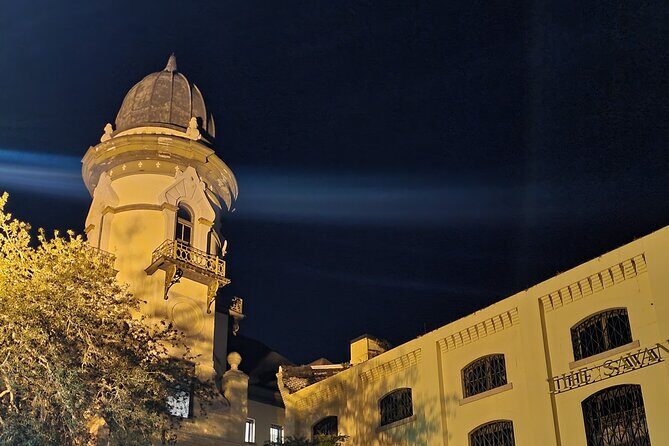
Next are two homes that bookend Savannah’s supernatural mood.
At the Hamilton-Turner House, you’ll hear about Savannah’s first electrified home and the way beauty and darkness can coexist. This stop also ties in poltergeist accounts and mentions an unsolved murder, plus notable connections to Midnight in the Garden of Good and Evil. Even if you’ve never read that book, the guide uses the reference as a bridge between legend and local identity.
Then you move to Kehoe House, described as a former funeral home turned high-class inn. The guide’s emphasis here is on omen-like dread—stories of honeymooners having stays that feel frightening, and the sense that the building’s original purpose doesn’t vanish when it becomes an elegant lodging.
Again, you’re mostly hearing these stories from outside or from the tour’s planned viewing points. If you’re hoping for long interior walk-through time at every stop, this is where the schedule may feel light. But if you like the rhythm of short “story bursts,” these homes work well.
Davenport House and the Old Sorrel-Weed add-on question
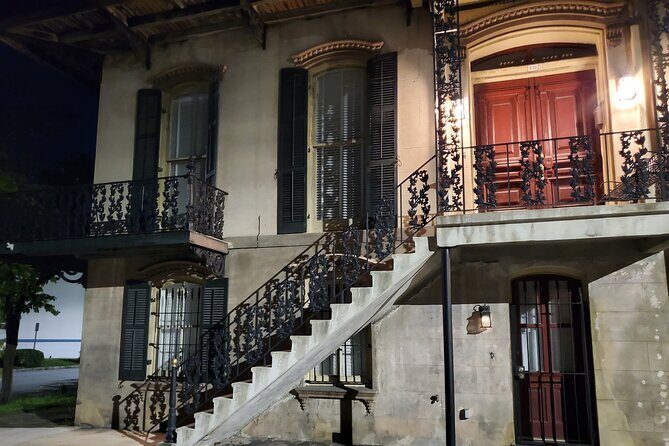
Davenport House Museum leans into a different kind of haunting. You’ll hear about yellow fever victims, along with lore about a shape-shifting cat and spiritual work described as rootwork and other spiritual “blemishes.”
I find this kind of stop valuable because it broadens the ghost-tour menu. Not every haunting is about rattling chains. Some Savannah stories are about fear, illness, survival, and the supernatural beliefs people used to explain what they couldn’t control.
After that comes The Old Sorrel-Weed House Museum & Tours, a home from the 1830s that’s been heavily investigated. Here’s the practical part: admission is not included. The guide story also mentions that the home was used in filming by the company founder for the first episode of Ghosthunters outside their home state.
So plan like this: treat Old Sorrel-Weed as a potential extra spend if you want in-depth access. If you’re staying budget-focused, you can still enjoy the walk-and-story portion, but you’ll need to accept that some of the “best visuals” might come from paying admission separately.
Wright Square to 1790 Inn: burials under the city and the Warrens thread
The tour reaches Wright Square, described as a place where Savannah’s identity becomes literal: the city is built on top of its dead, with an estimate of around 300 burials remaining beneath. In colonial times, this square area included the city jail and hanging gallows, so the guide paints it as a social hub that also served as a punishment stage.
The haunting story here includes Alice Riley, described as an Irish sorceress who was kept and executed. You’ll hear about early accounts of her spirit inside homes and businesses around the square.
This is one of those stops that’s hard to forget because it changes how you see the street layout. Squares stop feeling like pretty parks and start feeling like overlays on older survival routes, forced choices, and punishment.
Finally, the tour closes near 1790 Inn, another site that lists admission as not included. The guide tells you the inn was named for the year 1790, then burned in the great fire of 1820. You’ll also hear about Anna White, who ended her life there in a controlling marriage, and about an investigation in 1976 tied to a demonologist couple known from The Amityville story, the Warrens. The guide also mentions a “guest registrar” where stories are recorded from people who say they left at night.
If your idea of a ghost tour is mostly street stories, you’ll still get the core experience. If you want deeper access, treat the end as a “choose your own level” situation because admission is separate for some locations.
What makes the tour feel special: guide style and small-group pacing
A big reason this tour performs well is pacing. Stops are short—often around 10 minutes, sometimes 5 or 15—so you don’t sit through long lectures. The guide uses variety: jail confinement, cemetery death, orphanage tragedy, electrified homes, funeral-home dread, and city-squares-over-burials history.
Group size matters too. With a maximum of 16, you’re more likely to get a lively, interactive feel than a crowded march. That also helps if you have questions. And because the stops are spaced, the walking time doesn’t feel like a punishment; it feels like part of the story.
One more real-world point: Savannah weather can flip fast, and you’ll be outside. I’d pack layers and expect the tour to run as scheduled with the condition that it needs good weather.
Who should book this (and who might want a different style)
This is a strong fit for you if:
- You like ghost stories that tie to specific places, not vague “something happened here” vibes
- You want a walkable, time-efficient route through many famous Savannah landmarks
- You’d enjoy short story stops that build a bigger picture over 2 hours
You might want to think twice if:
- You’re hoping to spend lots of time inside multiple buildings during the tour, since some sites list admission as not included
- You don’t like cold, or you have limited tolerance for outdoor walking (the tour notes moderate fitness and isn’t recommended for walking concerns)
Should you book Doctor Buzzard’s Goodtime Ghost Tour?
Yes, I’d book it if you want a compact, guided loop through Savannah’s most talked-about haunted addresses—done with short, story-led stops and a small-group vibe. The included documentary download is a smart bonus, and the price is reasonable for what you’re getting: a guide, a structured route, and a lot of place-based lore without requiring you to commit to paid admissions at every stop.
Book with one mindset adjustment: this is a walk-and-listen ghost tour more than an all-access haunted house tour. If you can live with that, you’ll likely leave feeling like you saw the city’s spooky map in a way that makes the rest of your Savannah trip easier to understand.
FAQ
How long is Doctor Buzzard’s Goodtime Ghost Tour?
The tour runs for about 2 hours.
How much does the tour cost?
It costs $33.33 per person.
Where does the tour start and end?
It starts at the Casimir Pulaski Monument, 4 W Taylor St, Savannah, GA 31401, and it ends near Colonial Park Cemetery, 200 Abercorn St, Savannah, GA 31401.
Is the tour offered in English?
Yes, the tour is offered in English.
What’s included with the ticket?
You get a guide and 1 download of the documentary America’s Most Haunted City – Savannah.
Are entrances and admission fees included for all stops?
No. Some stops are listed as admission ticket free, while others list admission ticket not included, so extra fees may apply if you want to go inside those specific places.
Is this tour good for people with walking concerns?
It requires moderate physical fitness and is not recommended for anyone with walking concerns.
What happens if the tour is canceled due to weather?
The tour requires good weather. If it’s canceled due to poor weather, you’ll be offered a different date or a full refund.