REVIEW · SAVANNAH
Genteel and Bard’s Savannah History Walking Tour
Book on Viator →Operated by Genteel and Bard · Bookable on Viator
Savannah history clicks into place on foot. This Historic District walking tour blends a live local guide with headset audio stories drawn from historic letters, so you get context without guessing. It runs through some of Savannah’s best-loved squares and houses, ending near St. John the Baptist Cathedral.
I particularly love how the audio is professionally produced and paired with a guide you can hear clearly. I also love the way the route covers famous stops like Chippewa Square, then adds smaller-but-memorable places like the Mercer Williams House area.
One thing to plan for: this is a lot of walking and standing, and the tour can run longer than you might expect. Bring good shoes and keep an easy pace.
In This Review
- Key Things You’ll Notice on This Tour
- Savannah in 2 Hours: Why This Walk Feels Like a Smart Shortcut
- Getting Your Headsets On: Clear Audio Without the Head-Bobble
- Bull Street to the Historic District: Starting at 151 Bull St
- The Genteel & Bard History Walk: 1733 to Today, with Live Storytelling
- Chippewa Square and the Forrest Gump Moment
- Madison Square: Civil War Stories and the Green-Meldrim House
- Monterey Square Area: Mercer Williams House Museum and Key Monuments
- Jones Street and the Historic District: Live Oak Brick and Architecture Up Close
- Lafayette Square Finale: Girl Scouts, Electricity, and St. John the Baptist
- Price and Value: What $39 Gets You (and How to Max It)
- Tour Pace: Walking More Than You Think, in the Best Way
- Who Should Book This Tour (and Who Might Prefer Something Else)
- Should You Book Genteel and Bard’s Savannah History Walking Tour?
- FAQ
- How long is the tour?
- How much does it cost?
- Where does the tour start and end?
- What’s included in the tour?
- What language is the tour offered in?
- Is there a cancellation option if weather is bad?
Key Things You’ll Notice on This Tour
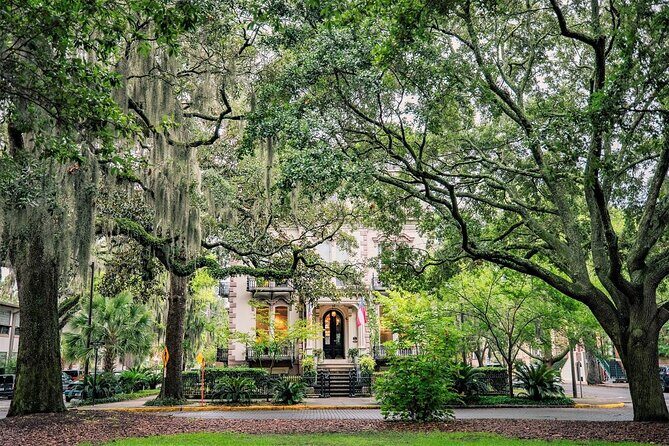
- Headsets that keep you from craning while the guide talks and the recorded stories play
- Audio based on historic letters, which adds a period voice to the story stops
- A tight group size (max 20), which makes it easier to hear questions and answers
- A route built around Savannah’s squares, including Chippewa, Madison, and Lafayette
- Movie and real history in the same breath, especially at Chippewa Square and Forrest Gump connections
- A finale with multiple threads at Lafayette Square: Juliette Gordon Low, electricity, and Irish heritage
Savannah in 2 Hours: Why This Walk Feels Like a Smart Shortcut

If you want to understand Savannah fast, this tour is a practical way in. You’re not just doing a photo walk. You’re following a storyline that runs from the city’s founding era all the way to today, using the streets and landmarks as your timeline.
The route hits major squares and landmark buildings, but it’s paced like a conversation: you stop, listen, then walk a little more. I like that the guide doesn’t treat famous names as trivia. Instead, the guide ties them to how Savannah was planned, how it changed over time, and how culture shows up in architecture and public spaces.
This is also a good value structure for a first visit. For $39, you get a live guide plus included headset gear, so the history comes in clearly without you juggling a phone app or guessing what you’re looking at.
Other walking history tours in Savannah



Getting Your Headsets On: Clear Audio Without the Head-Bobble

The tour uses headsets so you can hear the guide and the audio narration clearly. That matters in Savannah, where you’ll hear traffic, footsteps, and the usual street noise. With headsets, the story doesn’t compete with the city.
The audio pieces are professionally recorded and based on historic letters. That’s a subtle but powerful approach: letters give you a different flavor than speeches or modern guidebook wording. It’s not just facts. It’s tone, point of view, and the feeling of what people thought they were doing.
One small consideration: some people find certain headset styles uncomfortable, especially if you have hearing aids or small ear canals. If you’re sensitive with earbuds, you might want to plan for that by using your own comfort setup if allowed, or be ready to adjust once you’re on the move.
Bull Street to the Historic District: Starting at 151 Bull St
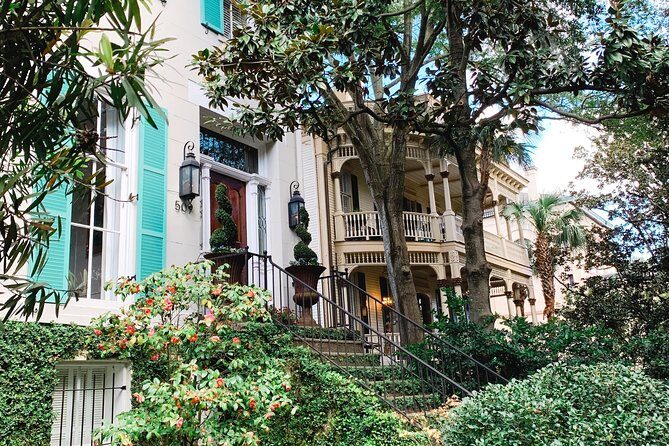
The walk begins at 151 Bull St, Savannah, and it sets your orientation quickly. You’ll get a clear sense of how the city’s design works, and what to look for as you move between squares and residential streets.
From the start, the guide frames Savannah’s nickname as the Hostess City and uses that as a theme for how the past shows up in everyday streets. You’ll hear connections to local music, architecture, war times, culture, and even how the city has been used in movies.
I like that the first segment is built for both big-picture understanding and “wait, that’s what I’m seeing” clarity. You’re not stuck with one kind of stop. You get streetscapes, buildings, and cultural references, all tied back to the timeline.
And yes, this is a walk. With a maximum group size of 20, you can still keep up, but you will want to move like you mean it.
The Genteel & Bard History Walk: 1733 to Today, with Live Storytelling
The main story block is the Genteel & Bard Savannah History Walk, described as a full submersion from 1733 to today. This is where the guide does the heavy lifting: explaining why Savannah looks the way it does and what events shaped the city’s identity.
What makes this stop work is the mix of perspectives. Instead of repeating a single storyline, the guide layers architecture and city planning with people and events. You’ll hear about how the planned city concept connected to Georgia’s beginnings, then you’ll watch that plan evolve through later periods.
You’ll also notice that the guide’s approach can include personal insight. Guides featured in recent tours include Savannah locals like David, who bring their own family connection to the city into the narrative. When a guide can connect the streets to lived memory, the tour becomes more than a list of landmarks.
Timing note: while the tour runs about 2 hours on average, reviews also suggest it can run past the shorter mark stated in some descriptions. Treat it as a solid morning or afternoon block.
Chippewa Square and the Forrest Gump Moment
Next up is Chippewa Square, and it’s a smart choice because it’s famous and it’s easy to picture. The tour connects the Forrest Gump association to Savannah’s present-day identity, so you understand why this square keeps showing up in pop culture.
But the tour also goes past the movie angle. You get context about Savannah’s origins and the planned layout, including James Oglethorpe and the Yamacraw Native Americans connected with the early Georgia story. It also touches Mary Musgrove and Chief Tomochichi—names that you’ll likely see again if you keep reading about the city.
The value here is that Chippewa Square stops being just a pretty spot. It becomes a piece of the puzzle for why Savannah’s public spaces matter.
At about 10 minutes, it’s brief, so if you’re the type who loves asking questions, keep an ear open for the guide’s cues. This is the kind of stop where one follow-up question can unlock the next hour of understanding.
Other walking tours we've reviewed in Savannah






Madison Square: Civil War Stories and the Green-Meldrim House
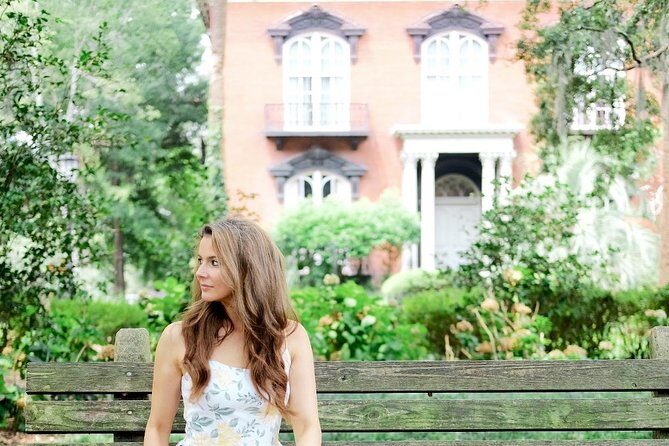
Madison Square is where the tour shifts from early planning into conflict and consequences. You’ll learn about Savannah’s role in the Civil War, and how events connected to the city helped shape what came next for the United States.
The stop also references the Green-Meldrim House, adding a physical anchor to the story. Houses in Savannah are more than pretty backdrops. In a city built on preserved architecture, buildings often carry reminders of who lived where, and what times demanded.
This is one of the stops that benefits most from headset clarity. The Civil War material can get dense if you’re trying to read along while walking. With the audio support, you can focus on the meaning and let the guide pace the facts.
At roughly 10 minutes, don’t expect a long lecture. Expect a concentrated snapshot that gives you enough to connect later scenes you might see on your own.
Monterey Square Area: Mercer Williams House Museum and Key Monuments
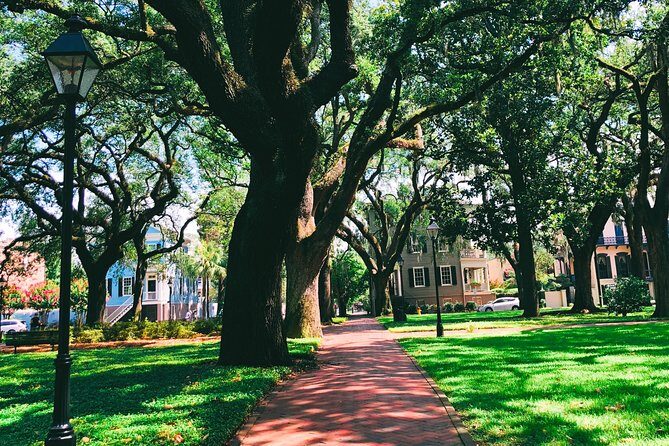
You’ll then reach the Mercer Williams House Museum area, tied to Monterey Square and several major landmarks nearby. This is one of the stops that feels like “okay, now we’re really inside Savannah’s details.”
The tour points out Mercer Williams House, Casmir Pulaski’s monument, and The Temple Mickve Israel. Having all of that clustered makes the storytelling efficient. You can see how different cultural and political threads sit side-by-side within walking distance.
Here’s why I like this section: it balances beauty with specifics. You’re looking at elegant spaces, but the guide frames them in a way that connects to people, movements, and the city’s broader identity.
One practical note: the best experience here is mental. If you stay present—listening as you approach each landmark—you’ll come away with a stronger picture of what Savannah is preserving and why.
Jones Street and the Historic District: Live Oak Brick and Architecture Up Close
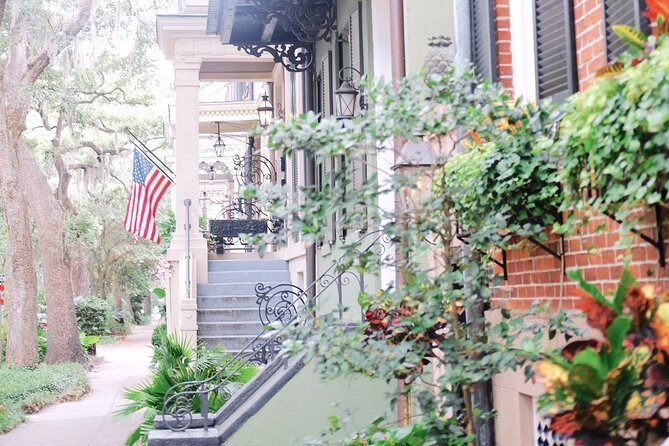
The walk continues into the broader Savannah Historic District, with a focus on Jones Street. This is where the city’s famous look starts to make sense in a grounded way.
The tour references Jones Street as once called America’s most beautiful street, and it spotlights the live oak brick street that runs at the center of many of Savannah’s admired homes and facades. Even if you’ve seen photos, this is the part where you understand why people fall for the streetscape.
The guide also connects architecture to cultural history, which is the difference between seeing buildings and understanding them. Savannah’s architecture isn’t only about style. It’s about timing, materials, wealth patterns, and what a community chose to hold onto.
At around 10 minutes for this stop block, you won’t inspect every detail like a museum tour. Instead, you get enough guidance to know what you’re looking at as you move on, and that makes self-guided wandering afterward more rewarding.
Lafayette Square Finale: Girl Scouts, Electricity, and St. John the Baptist
The tour ends at 222 E Harris St in Lafayette Square, outside The Cathedral of St. John the Baptist. That finish is well chosen because Lafayette Square can hold several big themes at once.
You’ll learn about Juliette Gordon Low and the Girl Scouts, connecting a social-history thread to a visible public space. The guide also mentions the Hamilton Turner Inn, called the first house with electricity in Savannah. That detail brings the story from architecture and conflict into innovation and modern life.
There’s also a focus on Savannah’s Irish heritage, plus the cathedral itself as a landmark with meaning. For me, this ending works because it layers the city’s identity rather than concluding with just one historical point.
If you’re trying to plan your next stop after the tour, Lafayette Square is a solid place to pivot. You’ll feel oriented enough to keep walking, grab food nearby, or use it as a jumping-off point to explore other squares.
Price and Value: What $39 Gets You (and How to Max It)
At $39 per person, this tour is priced like a serious walking experience, not a short street show. What you get is the practical combo: a professional local guide, included headset listening gear, and a story structure that gives context at each stop.
The biggest value is clarity. With headsets, you can actually follow the conversation. That means you don’t lose the plot when the street gets noisy or when you’re standing in a crowd.
The second value is efficiency. In a city where you could spend the day checking squares, this tour helps you prioritize. You’ll hit a set of locations that build a connected understanding of Savannah, rather than collecting random facts.
To get the most from it, show up ready for a steady pace. Wear supportive shoes. Bring water if it’s warm. And if you want to ask questions, do it early, since the guide may move through the stops at a clean rhythm.
Tour Pace: Walking More Than You Think, in the Best Way
Most travelers can participate, but you should treat this as a real walk. Expect standing during explanations and moving between stops without long gaps to sit.
Recent tour experiences also mention discomfort for people who are sensitive to headset inserts, and one note about timing running past the shorter description. That doesn’t mean it’s a mess—it means the tour is more substantial than a quick hit.
With group size capped at 20, the guide can keep everyone together, but you’ll still want to stay near the front so you catch every cue. If you tend to drift back for photos, you might miss the audio parts or have a harder time hearing follow-up questions.
Who Should Book This Tour (and Who Might Prefer Something Else)
This walking tour is ideal if you want a first-pass understanding of Savannah’s layout and major landmarks without doing homework. It’s also a great match if you like stories that mix architecture, culture, and major events like the Civil War.
It’s also a solid option for families and couples, since the stop structure is short and the guide can keep the pace lively. The tour is in English and runs on a mobile ticket.
You might consider a different style of visit if you have limited stamina for walking and standing. Savannah rewards slow wandering, but this specific tour is built around a steady route and frequent movement.
Service animals are allowed, and the tour is near public transportation, which helps if you want to reduce friction before and after.
Should You Book Genteel and Bard’s Savannah History Walking Tour?
Yes, if you want a structured way to understand Savannah quickly, this is a strong pick. The headset audio and professionally recorded narration make it easier to follow the story while you’re on your feet, and the route covers the kinds of places that most first-timers should see: Chippewa, Madison, Mercer Williams House area, Jones Street, and Lafayette Square.
I’d book it especially if it’s your first time in Savannah or if you like tours that connect movies, architecture, and real people into one readable timeline. Bring comfortable shoes, accept that you’ll walk and stand a lot, and you’ll get a lot out of the time.
If you’re the type who hates crowds or needs frequent sitting breaks, you’ll want to think twice. But for most visitors, the format hits a sweet spot: guided, listenable, and genuinely useful for planning the rest of your trip.
FAQ
How long is the tour?
It lasts about 2 hours on average.
How much does it cost?
The price is $39.00 per person.
Where does the tour start and end?
It starts at 151 Bull St, Savannah, GA 31401 and ends in Lafayette Square outside of The Cathedral of St. John the Baptist at 222 E Harris St, Savannah, GA 31401.
What’s included in the tour?
You get headsets to hear the guide clearly, a professional local guide, and a tour escort/host.
What language is the tour offered in?
The tour is offered in English.
Is there a cancellation option if weather is bad?
Yes. You can cancel for a full refund up to 24 hours in advance, and the tour requires good weather. If it’s canceled due to poor weather, you’ll be offered another date or a full refund.