REVIEW · SAVANNAH
History of Savannah Walking Tour
Book on GetYourGuide →Operated by History of Savannah Walking Tour · Bookable on GetYourGuide
One square at a time, Savannah starts making sense fast. This 90-minute, small-group walk is built around the city’s famous plan and the people who shaped it, from Savannah’s 1733 founding to the Civil War and beyond, all at a pace that doesn’t wear you out. You meet Sarah in Chippewa Square, and the tour turns landmark sightings into clear stories you can carry around while you explore on your own.
Two things I really like: you get a personal small-group experience where Sarah can actually hear you and answer questions, and the tour keeps stopping in shaded spots so the history never feels rushed. The other big win is how many real, well-known Savannah stops you hit in a short time, without treating it like a checklist.
One consideration: this is a walking tour with no museum entry included, so if you’re hoping for paid interiors or a long sit-down museum visit, you’ll want to plan those separately.
In This Review
- Key takeaways before you go
- Meeting Sarah at Chippewa Square: the tour’s smart start
- Historic squares that explain Savannah’s city plan
- The story at Owens-Thomas House and Slave Quarters
- Colonial Park Cemetery: Victorian-era life, death, and memory
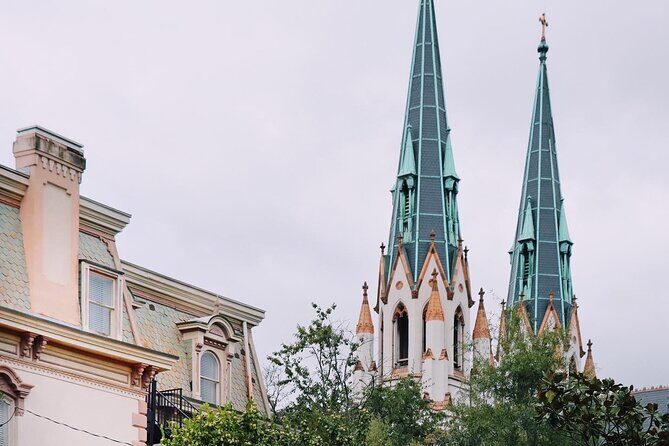
- St. John the Baptist Cathedral and Savannah’s Irish roots
- Green-Meldrim House and the Civil War connection
- Jones Street and the Mercer-Williams stop
- Ending at Forsyth Park: a good finish line
- Price and logistics: does $35 feel worth it?
- Who should book this walking tour?
- Quick planning tips for a smooth 90 minutes
- Should you book this Savannah walking tour?
- FAQ
- FAQ
- How long is the Savannah walking tour?
- Where does the tour start?
- How much does the tour cost?
- Is this a private tour?
- What language is the tour offered in?
- What are some of the main stops on the tour?
- Is museum entry included?
- Who guides the tour?
- Can I cancel and get a full refund?
- Can I reserve now and pay later?
Key takeaways before you go

- Meet in the center of Chippewa Square with Sarah, easy to spot by the Tour Guide lanyard
- Shaded, relaxed pacing built for comfort over speed
- Historic squares focused on cause-and-effect, not just dates
- Colonial Park Cemetery gives a life-and-death look at historic Savannah
- Covers slavery, Irish immigration, and Civil War strategy through specific local landmarks
- Ends at Forsyth Park fountain, a great spot to regroup and continue your day
Meeting Sarah at Chippewa Square: the tour’s smart start
You’ll start in Chippewa Square, right in the center of the square, in front of the big statue. Sarah will be there wearing a Tour Guide lanyard, so it’s usually straightforward to get oriented before you head off.
I like this meeting setup because it keeps the tour grounded immediately. Instead of figuring out where to begin your Savannah day, you’re placed in one of the city’s most central symbolic spaces, and the guide can point out what you should be watching for as you walk.
From there, Sarah builds a story line that connects the squares to the wider picture. You’re not just seeing pretty streets. You’re learning how Savannah’s layout and design choices shaped where people lived, worked, worshiped, and made decisions.
Other walking history tours in Savannah



Historic squares that explain Savannah’s city plan
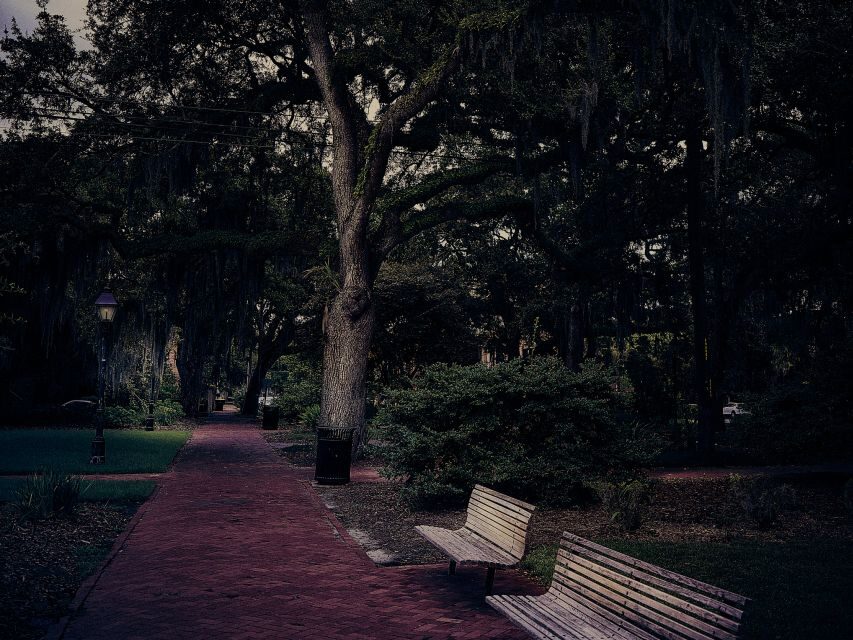
A huge part of why this tour works is that it treats Savannah like a designed place, not a random collection of old buildings. As you move through the squares, you’ll hear about the early days of the city and how the founding ideas show up in what you can still see today.
One major stop is tied to James Oglethorpe and the founding of Georgia’s first city. You’ll also work through squares where early colony success is linked to relationships on the ground, including the roles of the Yamacraw people and Tomochichi in Savannah’s early story. If you’ve ever walked through historic districts feeling like you’re reading a blur of names, this is where it clicks: the guide connects the people to the geography.
Another part I appreciate is that the tour doesn’t only talk about big leadership. You’ll also cover Savannah’s later cultural milestones, including how it became the birthplace of the Girl Scouts through the Juliette Gordon Low Birthplace story. It’s a reminder that Savannah’s history isn’t stuck in the past—it keeps influencing American life.
And because the group is intentionally small, Sarah can slow down when questions pop up. That matters on a city-walk, because the best part of history often comes from the moment you ask something that isn’t on a standard script.
The story at Owens-Thomas House and Slave Quarters
At the Owens-Thomas House & Slave Quarters, the tour turns serious. This stop is where you learn how slavery shaped Savannah’s economy and daily life in the antebellum era, not as an abstract topic, but as part of how the city worked.
I value this approach because it doesn’t dodge the hard sections of Savannah’s story. The guide frames it in a way that helps you connect what you’re looking at to how people lived and how wealth was built and maintained.
One practical benefit: after this kind of storytelling, your later walks through neighborhoods and streets feel more informed. You start noticing that historic places carry more than surface aesthetics. They carry systems—economic, social, and human—that shaped everything around them.
This stop can also be emotionally heavy, so it’s good that the tour keeps a relaxed pace. You’re not forced to sprint through the difficult parts and then immediately move on.
Colonial Park Cemetery: Victorian-era life, death, and memory
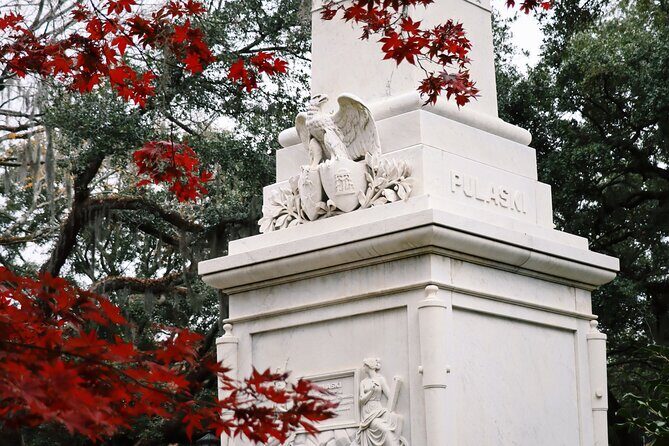
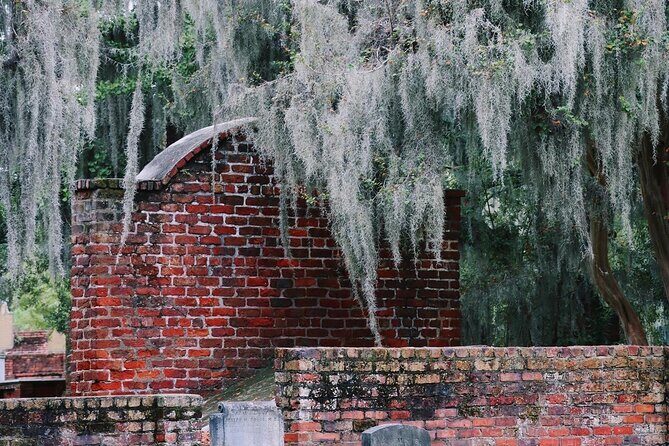
The Colonial Park Cemetery stop gives you a different kind of Savannah understanding. Instead of focusing only on events, it explores life and death stories, including the city’s Victorian past.
I like cemetery stops when they’re handled thoughtfully, and this one is framed as storytelling: how historic Savannah thought about mortality, how residents were remembered, and what those choices say about the people who lived there.
If you’ve visited cemeteries before and they felt more like rows of stones than narratives, this tour aims to change that. You’ll walk away knowing what to look for and how to interpret the atmosphere, not just the names.
It’s also one of the reasons the tour duration feels well matched. You get the context, you hear the explanations, and you still have time after to continue exploring Forsyth Park and the rest of your day without feeling drained.
St. John the Baptist Cathedral and Savannah’s Irish roots
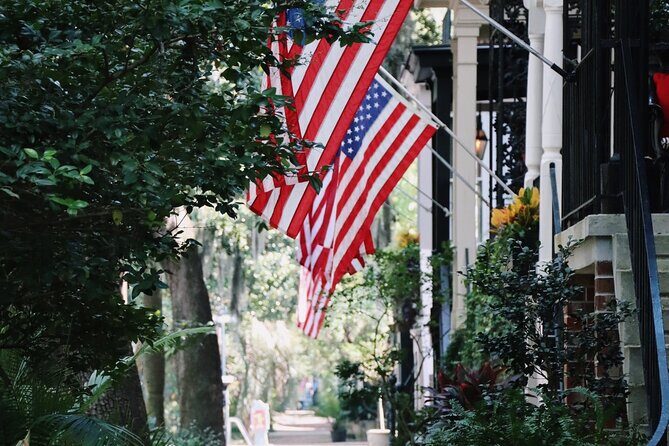
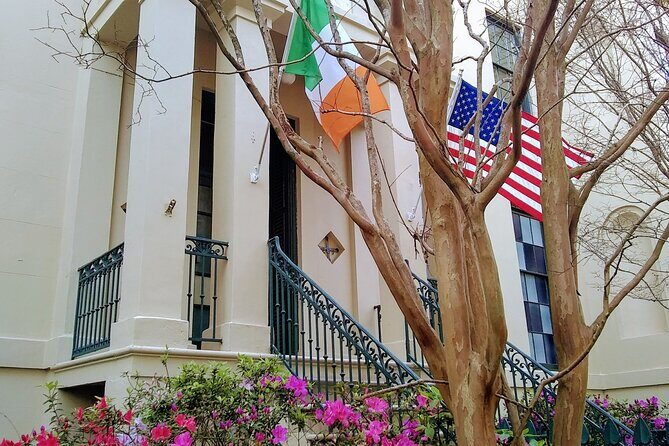
Next up is the Cathedral of St. John the Baptist, where the tour covers the influence of Savannah’s Irish immigrant community.
This is a good counterbalance to the cemetery and slavery stops. It shifts you toward faith, community identity, and the ways immigrant groups left visible marks on the city. You’ll also get a clearer sense of how different waves of people built institutions that lasted.
I find this kind of stop helpful when you’re traveling with family members or friends who don’t want only political history. It’s still historical, but it’s also about community life and continuity—how certain cultures organized their public spaces.
Other walking tours we've reviewed in Savannah






Green-Meldrim House and the Civil War connection
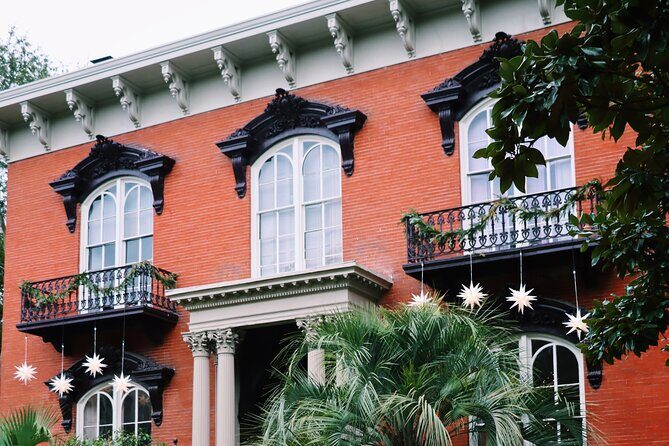
At the Green-Meldrim House, the focus turns to the Civil War, specifically Savannah’s strategic role. This stop helps you understand why Savannah mattered during conflict, and how the city’s position shaped what happened there.
Again, the goal isn’t to drown you in military detail. It’s to give you a framework so the Civil War feels connected to places you’ll recognize, not trapped in a textbook.
And because Sarah keeps the walking pace easy, you can take in the building and its surrounding context without feeling like you’re rushing just to reach the next stop.
If you’re the kind of traveler who likes to walk out of history tours and then start noticing patterns on your own, this part sets you up well for the rest of your Savannah day.
Jones Street and the Mercer-Williams stop
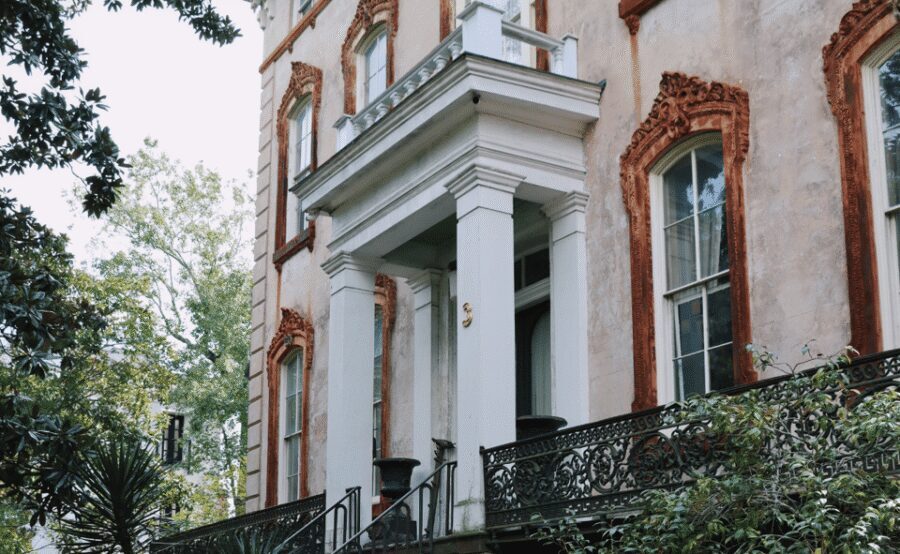
You’ll also stroll along Jones Street, a street many people describe as the most beautiful in America. Even if you’re not usually impressed by superlatives, this kind of moment is worth using as a breather between heavier history stops.
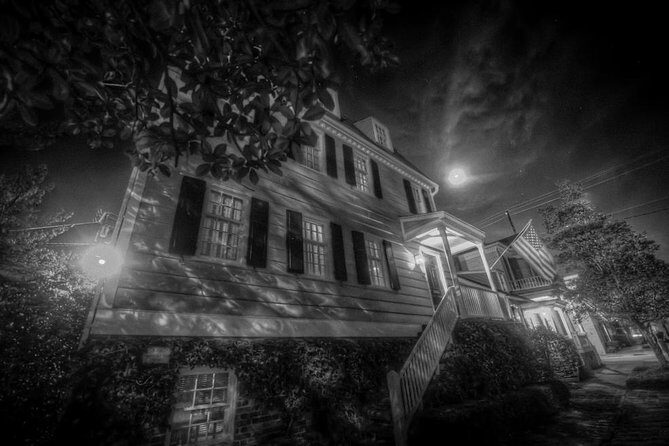
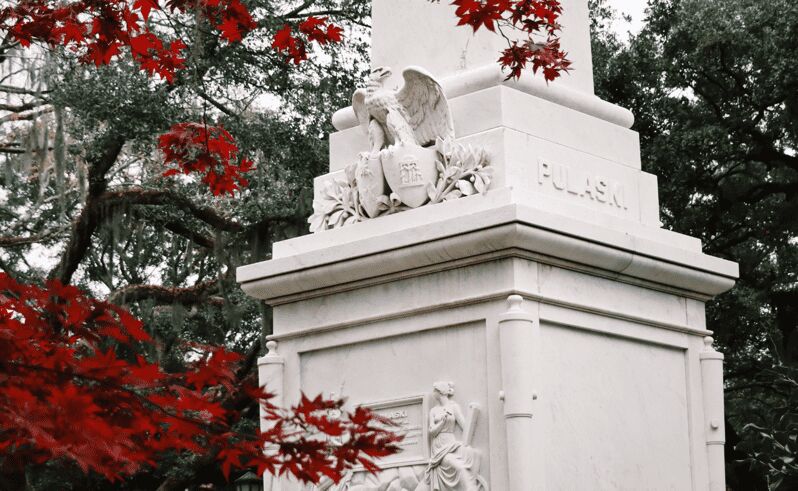
Then the tour moves on to the Mercer-Williams House Museum, with stories tied to General Pulaski and the Mercer-Williams House. It’s a name-focused stop, and it gives you anchors—people you can later connect to other parts of Savannah’s story as you wander.
One thing I appreciate here is the pacing. The route mixes heavier learning with lighter visual moments, so your brain can process. By the time you reach the next big outdoor landmark, you’re still engaged rather than exhausted.
Ending at Forsyth Park: a good finish line
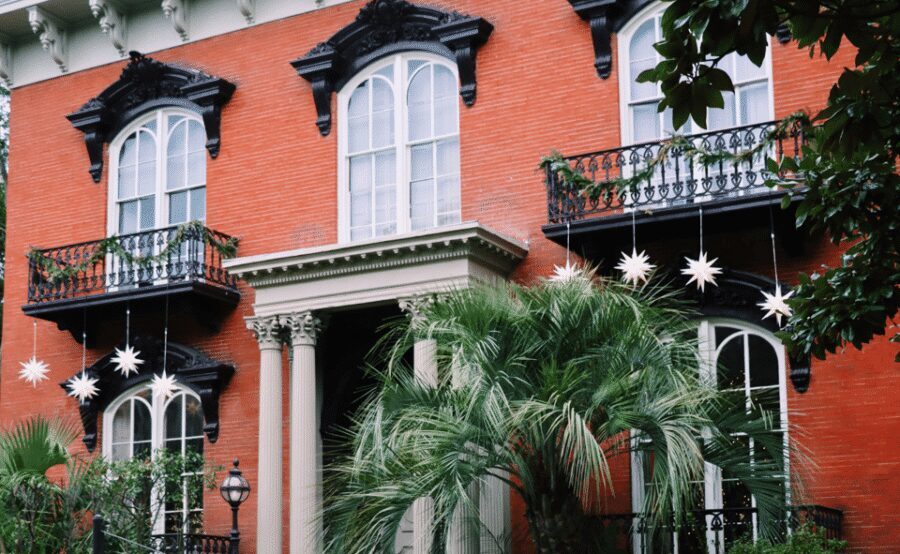
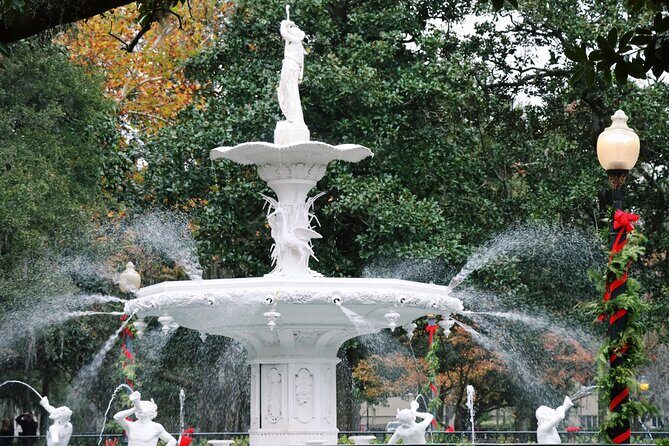
The tour wraps at Forsyth Park, concluding at the iconic fountain. This ending works well because it’s a public, open space where you naturally pause, regroup, and decide what to do next.
After 90 minutes of learning why Savannah looks the way it does, the fountain stop lets you reset without losing momentum. You get to translate what you heard into what you see—layout, landmarks, and the rhythm of the Historic District.
And if Sarah is in a chatty mood (sounds like she often is), this is a solid moment to ask what to do after the tour. Multiple people mention that her recommendations help them navigate the rest of their time in Savannah, which is exactly what you want from a walking guide.
Price and logistics: does $35 feel worth it?
At $35 per person for a 90-minute small-group walk, the value is in what you get per minute: multiple major stops, guided interpretation at each one, and time for questions.
If you were paying the same price for a short, vague “see-and-go” walk, you’d probably feel disappointed. But this tour is built around depth at each location—storytelling that ties buildings and squares to Savannah’s bigger timeline. That kind of guide-led context is what makes the price feel fair.
The other value driver is the group size. When the group is kept intentionally limited, you can actually talk to Sarah instead of shouting questions into a crowd. On a history-heavy walking tour, that matters more than you might expect.
What’s not included is also part of the equation: entry to museums isn’t part of the deal. If you want paid interiors, treat this as the story primer and then add museum time separately based on your interests.
Who should book this walking tour?
This tour is a strong fit if you:
- Want Savannah’s story connected to the actual places you’ll walk past later
- Prefer a guide who can handle questions and keep things moving at a comfortable pace
- Like historic squares and landmark buildings more than long museum lectures
- Want a short timeline overview that covers founding, major cultural groups, slavery, and the Civil War
It may be less ideal if you:
- Want museum entry included as part of the ticket
- Don’t enjoy walking (it’s 90 minutes, and it’s a true walking route)
- Prefer purely self-guided wandering without a structured route
Quick planning tips for a smooth 90 minutes
Because this is a walking tour, wear comfortable shoes and plan for the fact that you’ll be outdoors most of the time. The pace is relaxed and includes shaded stops, which helps, but you’ll still want to be physically ready for a steady walk through several stops.
Also, bring curiosity and questions. Sarah’s approach is a big part of the experience, and the best tours happen when you ask what you actually want to know, not what a script assumes you’ll ask.
Finally, if you’re doing other plans the same day, think of this tour as your orientation. After it, your independent exploring tends to get better—because you’re no longer just looking at Savannah. You’re reading it.
Should you book this Savannah walking tour?
Yes, if you want the kind of Savannah visit where the city starts making sense quickly. The combination of small-group size, a relaxed pace, and a stop list that covers founding-era themes, major cultural influences, and the darker chapters makes this feel like a solid value.
Skip it only if you specifically want paid museum entry during the tour or if you’d rather do Savannah at your own rhythm without guided interpretation.
If you book, do this one smart thing: come ready to ask questions at Chippewa Square and keep asking as you go. Sarah’s stories land best when you let them.
FAQ
FAQ
How long is the Savannah walking tour?
The tour lasts 90 minutes.
Where does the tour start?
You meet your guide Sarah in Chippewa Square, in the center of the square in front of the big statue, wearing a Tour Guide lanyard.
How much does the tour cost?
The price is $35 per person.
Is this a private tour?
It’s a small-group walking tour with intentionally limited group sizes.
What language is the tour offered in?
The tour is offered in English.
What are some of the main stops on the tour?
You’ll cover several historic squares and landmarks, including Chippewa Square, Wright Square, Owens-Thomas House & Slave Quarters, Colonial Park Cemetery, the Cathedral of St. John the Baptist, Green-Meldrim House, Jones Street, Mercer-Williams House Museum, and Forsyth Park.
Is museum entry included?
No. Entry to any museums is not included.
Who guides the tour?
The guide is Sarah.
Can I cancel and get a full refund?
Yes. You can cancel up to 24 hours in advance for a full refund.
Can I reserve now and pay later?
Yes. The option to reserve now & pay later is available.