REVIEW · SAVANNAH
Savannah Stroll: Guided Sightseeing & History Walking Tour of Savannah
Book on Viator →Operated by Savannah Walks · Bookable on Viator
Squares tell the real Savannah story. I love how this Reynolds Square starting point ties directly into the city’s big Historic District story in about 90 minutes, and how the guide connects the American Revolution and Civil War to what you see on the sidewalk. One possible drawback: the tour’s emphasis can skew toward founding and wartime strategy, so if you’re hunting for a heavier slavery and Civil Rights focus, you may want a different tour option.
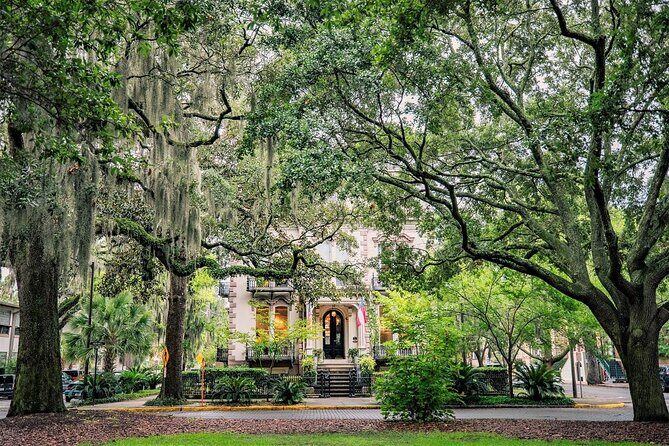
You’ll walk under a canopy of trees past peach-colored facades, church steps, and the perfect-for-photos squares that make Savannah feel like a living open-air exhibit, not a museum. Expect a small group (up to 30), a professional guide, and a simple end back at the start so you can keep exploring right away.
In This Review
- Key things to know before you start
- Getting Oriented at Reynolds Square
- Savannah on Foot: Why the Squares Matter
- Stop-by-Stop: What You’ll See and Why It’s Worth Your Time
- Cathedral of St. John the Baptist
- Colonial Park Cemetery
- Johnson Square
- Warren Square
- Oglethorpe Square
- Chippewa Square
- Green-Meldrim House
- Juliette Gordon Low Birthplace Museum
- Savannah Historic District
- Owens-Thomas House & Slave Quarters
- The Olde Pink House
- Andrew Low House Museum
- Savannah Walks
- Independent Presbyterian Church
- The Revolution and Civil War Stories You’ll Hear
- Pacing, Group Size, and Comfort on the Streets
- Meet Your Guide: The Difference a Good Narrator Makes
- Value for Money: What You Get for a Short Walk
- Should You Book the Savannah Stroll Tour?
- FAQ
- How long is the Savannah Stroll tour?
- Where does the tour start and end?
- Is admission required for the stops?
- What’s included in the tour price?
- What group size should I expect?
- Can I get a refund if I cancel?
Key things to know before you start
- Reynolds Square anchors the whole tour: it’s where you begin, and it’s packed with colonial-era meaning
- Big district coverage in a short time: you’ll pass through major Savannah historic areas, including the Savannah Historic District and Victorian areas
- Park-like squares are the pace-setter: expect plenty of pauses at places like Johnson, Warren, Oglethorpe, and Chippewa Squares
- Historic buildings plus church stops: you’ll see everything from cemeteries to houses and churches tied to Savannah’s story
- Free entry at the listed stops: no separate admission ticket is required for the sights included in the tour
Getting Oriented at Reynolds Square
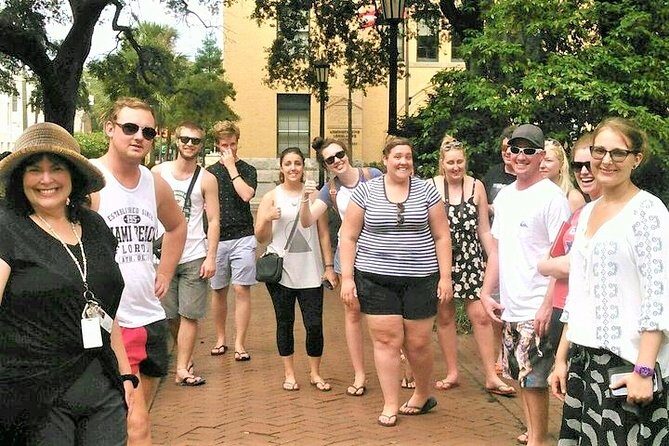
Your tour starts at 24 Habersham St, and it all begins at Reynolds Square, one of the central “why Savannah looks like Savannah” places. This square mattered because it was the center of colonial government in the 1700s, and it’s tied to the first reading of the Declaration of Independence in Georgia. That’s a big claim for a small square, and the guide uses it like a story anchor.
This is also a smart first move for first-timers. Savannah can feel like a maze until you realize the whole town is built around connected squares. Starting here lets you understand the geometry quickly: where the civic heart was, how neighborhoods spread outward, and why so many blocks feel designed for walking and lingering.
One more practical plus: you finish back at Reynolds Square. That means you’re not stuck somewhere random after 90 minutes, which is great if you want to head straight to dinner, do more sightseeing, or hop on public transit.
Other walking history tours in Savannah



Savannah on Foot: Why the Squares Matter
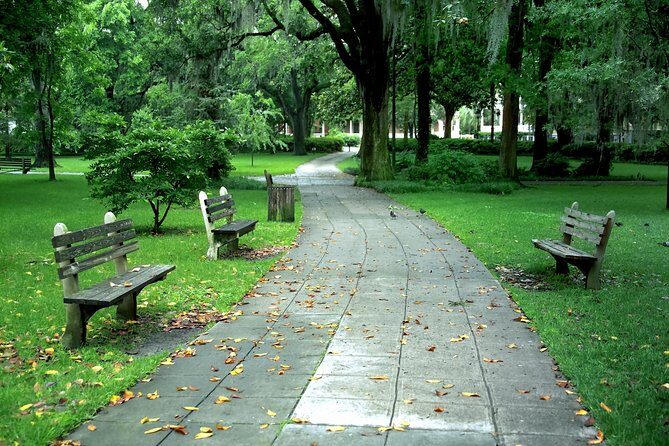
The walk is built around squares, not just random stops. You’ll move through Savannah’s downtown and Old Savannah areas, including the Savannah Historic District and other historic zones. A key part of what makes this tour feel valuable is that the squares aren’t treated like decoration. Your guide explains how they worked as gathering spaces and how they connect to different time periods.
You’ll also get the “feel” of Savannah: tree canopies, pretty plantings, and historic buildings that frame open space. This matters even if you’re not a hardcore history person, because the tour teaches you how to look. You start noticing alignments, architectural styles, and the way public space shaped daily life.
A small but real detail from other experiences: depending on timing, the very start can be affected by street noise or nearby work. The better guides adapt fast—moving the group to quieter spots when needed—so you can actually hear the story.
Stop-by-Stop: What You’ll See and Why It’s Worth Your Time
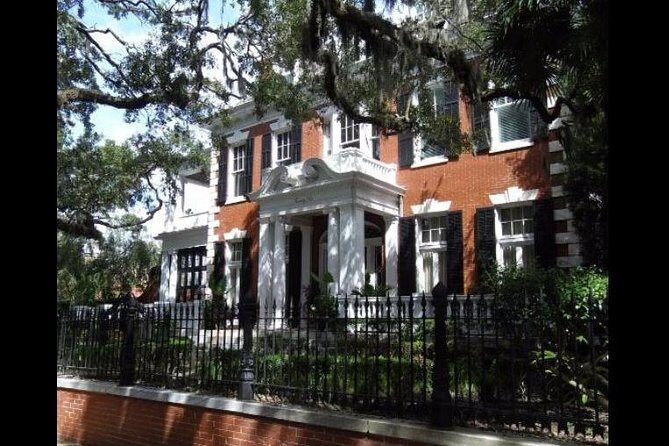
This is a walking tour with a clear order, and each stop adds a piece to the big timeline the guide is telling.
Cathedral of St. John the Baptist
You begin with the Cathedral of St. John the Baptist. Even if you’ve only seen Savannah’s skyline from photos, this kind of landmark helps you switch from scenic sightseeing mode to “civic story” mode. The guide sets the tone by tying the location to the wider colonial-era picture.
Colonial Park Cemetery
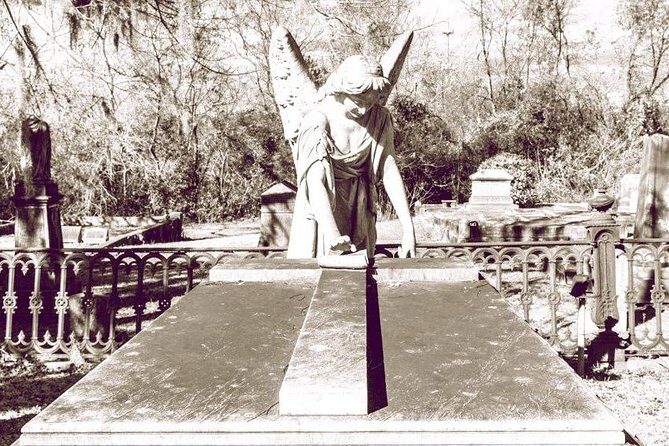
Next is Colonial Park Cemetery, where the mood shifts. Cemeteries can feel quiet and heavy, but on a tour like this they work as a reminder that Savannah’s history lives in people as much as buildings. Your guide uses it to keep the story human, not just architectural.
Other walking tours we've reviewed in Savannah






Johnson Square
At Johnson Square, you’re back in the square rhythm. Squares are Savannah’s built-in pause button. This one is a good place to slow down, look around, and let the guide connect government, community life, and neighborhood development.
Warren Square
Then comes Warren Square, which helps show how the historic district is more than a single “main attraction.” You start seeing patterns: how squares relate to each other, how the downtown grid supports walking, and how different areas carried different roles over time.
Oglethorpe Square
Oglethorpe Square continues that same idea: multiple squares, multiple chapters. By now you’ll be better at spotting what’s important at each location because you’ve already learned what to listen for.
Chippewa Square
You’ll hit Chippewa Square, and this one is especially helpful because, at the end of the tour, the walking route connects you back toward the meeting point. It’s a nice checkpoint. Also, it gives you another chance to take in Savannah’s signature look: long sightlines, shaded benches, and historic facades around open space.
Green-Meldrim House
At the Green-Meldrim House, you get a change in pace from squares to architecture and private life. Houses like this are where the city’s story stops being abstract. Your guide ties the building type and era into the larger theme of how Savannah functioned and grew.
Juliette Gordon Low Birthplace Museum
The Juliette Gordon Low Birthplace Museum stop adds a different flavor: Savannah’s influence beyond wars and government. It’s a reminder the city didn’t only live through conflict, it also produced people who shaped organizations and movements.
Savannah Historic District
Then you spend time in the Savannah Historic District itself. This is where the tour’s “value per minute” comes through. Instead of making you pick one museum or one neighborhood, it gives you a guided overview of a massive area known for its historic character and scale as one of the largest National Historic Landmark Districts in the US.
Owens-Thomas House & Slave Quarters
At Owens-Thomas House & Slave Quarters, you’re in one of the stops that many visitors hope will be the turning point for the toughest parts of the story. The tour description doesn’t promise a long, detailed accounting at every hard-history site, but you will still get guide-led context at this location.
One heads-up from the overall tour content: the style leans toward the founding era and the Civil War era as it relates to strategy and port life. Some people end up wanting more emphasis on slavery and Civil Rights than this tour provides. If that’s you, look for a focused alternate tour option offered by the same provider, called Civil War Savannah.
The Olde Pink House
Then you’ll see The Olde Pink House, a spot that adds personality to the walk. Even if you only catch it from the street, it’s the kind of building that makes Savannah feel like a character. The guide uses places like this to keep you engaged, not stuck in lecture mode.
Andrew Low House Museum
Next is the Andrew Low House Museum area. Museums in walking tours are handy because they give you a reason to look harder: details, period styles, and the way Savannah families lived within the larger city story.
Savannah Walks
You’ll also stop at Savannah Walks. On a practical level, this can act like a course correction point where you can regroup with the group rhythm and keep your bearings.
Independent Presbyterian Church
Finally, you reach Independent Presbyterian Church. Church stops add civic and social context without feeling like a history lecture. By this point, you should be able to recognize how places of worship fit into broader community life, too.
The Revolution and Civil War Stories You’ll Hear
The big theme is Savannah’s role as a strategic port city during the American Revolution and the Civil War. The guide doesn’t just toss dates at you. Instead, the stories connect to what you’re standing near: trade, military movement, government power, and the way conflict shaped everyday decisions.
This is one reason the tour works so well early in your trip. After 90 minutes, you start understanding what you’re seeing the rest of the day. You’ll look at the street layout and squares differently, and you’ll know what to ask when you explore on your own.
That said, you should pick the right expectations. If you’re hoping for a very detailed, no-sugarcoating discussion of slavery and Civil Rights history, this walk may feel like it gives less space than you want. The tour can still be a strong introduction, but the subject depth may not match a specialist-level focus.
Pacing, Group Size, and Comfort on the Streets
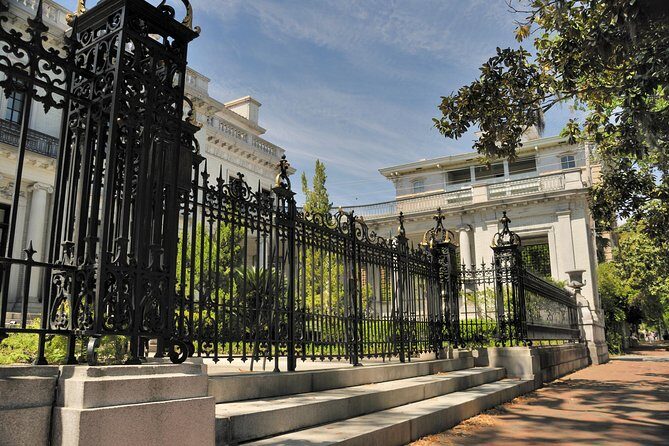
The walk runs about 1 hour 30 minutes, and that timing matters. It’s short enough to keep attention on track, but long enough to stitch together several “aha” moments.
Group size is capped at a maximum of 30, which usually means you won’t be fighting for elbow room. Still, it’s a city walk, so bring realistic expectations: you’ll be on sidewalks for the full stretch.
For comfort:
- Wear comfortable walking shoes (Savannah sidewalks can be uneven)
- Pets are welcome
- Service animals are allowed
- The tour is near public transportation
- You won’t need hotel pickup and drop-off
If you’re worried about heat, you might find relief during the walk. Some guides build in a short break indoors with air conditioning halfway through, which can make the tour feel easier on a hot day.
Meet Your Guide: The Difference a Good Narrator Makes
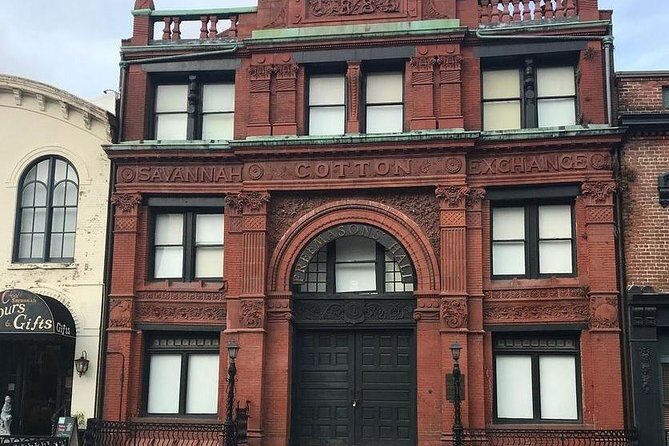
The experience lives or dies on the guide, and the tour description promises a professional guide. In practice, the best thing you can do is arrive ready to listen and ask questions.
Guides mentioned by name in experiences include Brad, William Spinks, and Zach. The pattern from those accounts is consistent: they connect architecture and city layout to political and economic forces, and they’re comfortable answering questions beyond the script.
If you’re the type who likes to keep a mental checklist—facts, dates, and names—this tour format works well because it’s a guided route with repeated “story anchors” at the squares and historic sites.
Value for Money: What You Get for a Short Walk
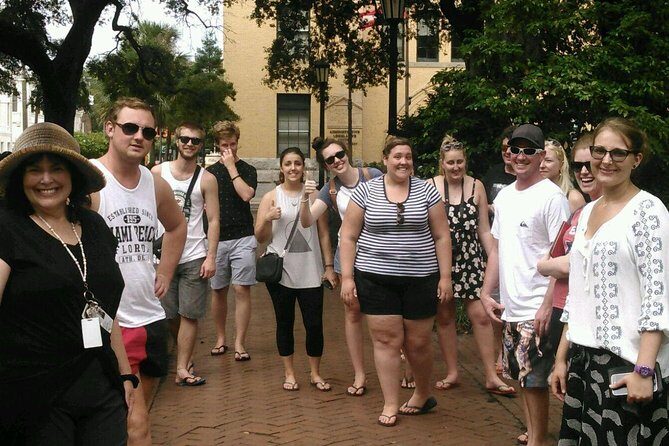
There’s no site-shopping here. You’re paying for a guided narrative that links dozens of meaningful stops into one walk, in about 90 minutes. That’s where the value comes from.
A few reasons it can feel like good use of money:
- It covers a lot of key locations in one go
- The listed stops show admission ticket free, so you’re not adding surprise costs for entry
- The guide also offers practical help on where to eat and shop after the walk
- You get an overview of the city’s historic character without committing to a full day
The “cost” side to watch is time and walking distance. If your mobility is limited, the tour’s structure may feel like more walking than you want. Also, if your top priority is a deep, specific study of slavery, Civil Rights, or Reconstruction detail, you’ll likely get more satisfaction from a themed alternative tour.
Should You Book the Savannah Stroll Tour?
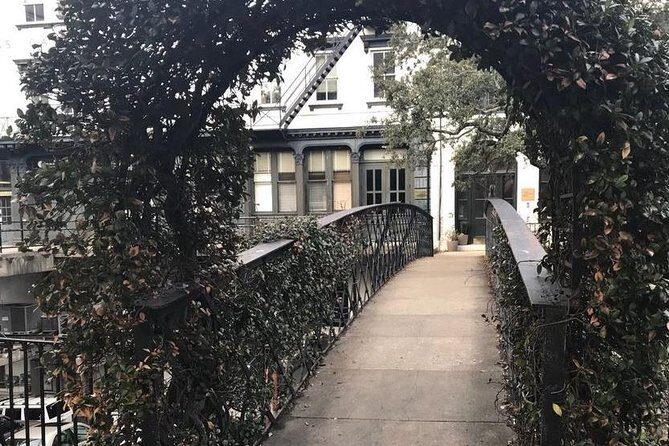
Book this tour if you want a fast, organized way to understand Savannah’s historic layout and why the city’s squares and buildings matter. I especially recommend it if you’re new to town and want a practical orientation shot that connects to the American Revolution and Civil War.
Skip or pair it with a more focused option if you’re hoping for a long, detailed discussion of slavery and Civil Rights history. This walk can still help you frame the timeline, but you may want an additional tour that goes deeper.
If you’re aiming for a fun, photo-friendly history walk with a clear route and a guide who knows how to turn street corners into stories, this is a solid choice.
FAQ
How long is the Savannah Stroll tour?
It runs about 1 hour 30 minutes.
Where does the tour start and end?
It starts at 24 Habersham St, Savannah, GA 31401, and it ends back at the meeting point.
Is admission required for the stops?
Admission is listed as free for the included stops.
What’s included in the tour price?
You get a professional guide plus history and culture explanations, a firsthand look at Savannah, and an overview that can include tips on shopping and dining. Hotel pickup and drop-off are not included.
What group size should I expect?
The tour has a maximum of 30 travelers.
Can I get a refund if I cancel?
Yes. You can cancel up to 24 hours in advance for a full refund. If you cancel less than 24 hours before the experience starts, the amount you paid won’t be refunded.