REVIEW · SAVANNAH
Tombs of Savannah: Bonaventure Cemetery Experience
Book on GetYourGuide →Operated by Junket · Bookable on GetYourGuide
Oak-shaded tombs make Savannah feel older. The Bonaventure Cemetery experience on this 90-minute walking tour turns 19th-century gravestones into a guided story—paths, oaks, Spanish moss, and the kind of monuments that look almost staged for drama. I really like how the tour keeps the mood respectful while still being fun and easy to follow.
Two big reasons to go: you’ll get to see the cemetery’s famed monuments up close, including Little Gracie, and you’ll hear the human stories behind tombs, obelisks, and plaques instead of just walking past them. One consideration: it’s a walking tour on the grounds, so it’s not suitable for people with mobility impairments.
In This Review
- Key Highlights You’ll Actually Care About
- Where Bonaventure Starts: The Wilmington River Approach
- A 90-Minute Plan That Keeps the Pace Human
- Why People Keep Coming Back to Bonaventure’s Tombs
- Little Gracie: The Stone Tribute Everyone Wants to See
- Tombs, Obelisks, and Plaques: How to Read What You’re Looking At
- Victorian Death Beliefs: The Context That Changes the Mood
- The Guide Factor: Why the Tour Feels Memorable
- Price and Value for a $37, 90-Minute Walking Tour
- Practical Stuff Before You Go (The Bits That Save Your Day)
- Should You Book Tombs of Savannah for Bonaventure Cemetery?
- FAQ
- How long is the Bonaventure Cemetery experience?
- What is the price?
- Where do I meet the guide?
- Is the tour offered in English?
- Does the tour run rain or shine?
- What should I bring?
- Is the tour suitable for mobility impairments?
Key Highlights You’ll Actually Care About
- Nineteenth-century grave art: marble tributes, obelisks, and plaques made to be read
- Little Gracie’s marble story, tied to how her parents and family handled grief
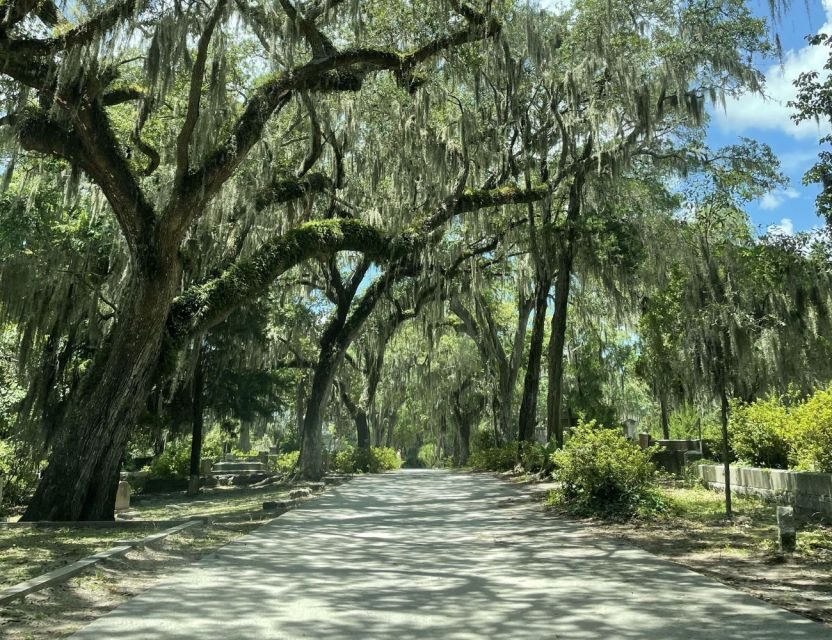
- A guide-led “maze” walk through shaded paths under towering oaks
- Victorian-era death beliefs and superstitions that shaped the cemetery feel
- Notable families like the Mercer family, now memorialized in stone
Where Bonaventure Starts: The Wilmington River Approach
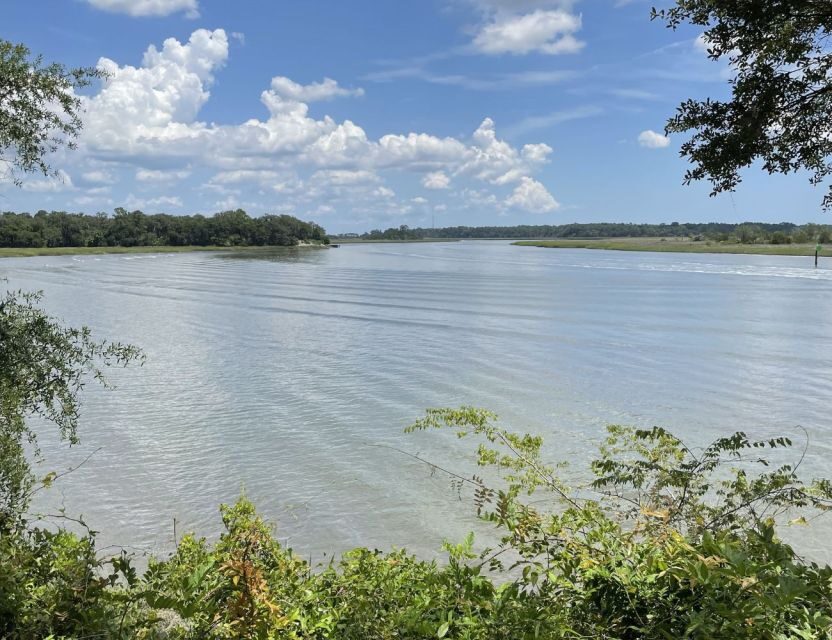
This tour meets at the Bonaventure Cemetery Visitor Parking Area near the Wilmington River. That setting matters. The cemetery’s reputation is built on atmosphere, and starting near the river helps you ease from modern Savannah into a quieter, older rhythm.
You’ll meet a shared tour guide wearing a Junket t-shirt. From there, you’ll walk into one of the most-photographed cemeteries in the world. The key isn’t just the views. It’s how the route is shaped to help you notice details you’d miss on your own: the way gravestones line up, how the monuments are spaced, and how the shady paths pull you deeper into the site.
Also, plan on the full experience rain or shine. This is not one of those tours that waits for perfect weather and then cancels if the sky looks moody. Bring weather-appropriate clothing and wear comfortable shoes. You’ll be on your feet long enough to need them.
Other Bonaventure Cemetery tours in Savannah



A 90-Minute Plan That Keeps the Pace Human
Ninety minutes sounds short until you’re actually in a cemetery like Bonaventure. This kind of place grows on you. The tour uses that time well: you don’t get stuck in one spot for ages, and you don’t get rushed past the famous pieces.
You’ll also benefit from express security screening. That matters because it keeps the tour from feeling like it starts late. When you only have 90 minutes, any wasted time adds up.
The walking pace is the real engine here. The cemetery stretches across a large historical site feel, and you’ll follow your guide along winding paths where Spanish moss and tall trees create a natural roof. The result feels like you’re moving through a living exhibit rather than just ticking off tombs.
If you’re the type who likes to stop for photos, you still can—but think about balance. You’re better off capturing a few key angles while listening closely. The stories land better when you’re standing in front of the stone.
Why People Keep Coming Back to Bonaventure’s Tombs
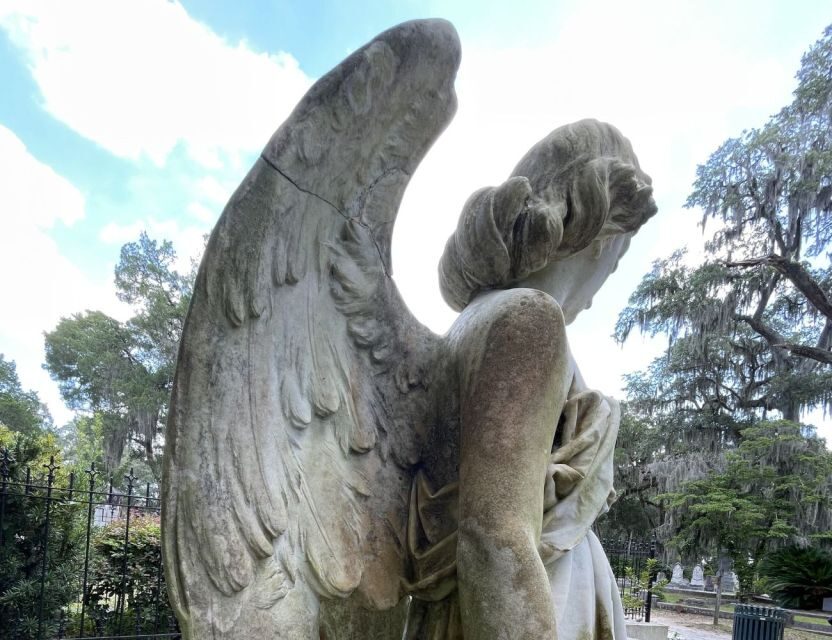
Bonaventure Cemetery is famous for its monuments, but the tour approach makes the fame make sense. You walk through a 100-acre historical site that can feel more like an outdoor museum than a burial ground. That’s not disrespect. It’s the point: the cemetery’s artful design invites observation.
On this tour, you’ll hear about tombs, obelisks, and plaques that are detailed in both craft and emotion. These aren’t just names and dates. They’re family choices—how people wanted to be remembered, how grief was expressed, and how Victorian-era thinking shaped what you see carved in stone.
This is also where the “mystical maze” description becomes real. The grounds are not a simple straight-line walk. The trees, pathways, and monument placement create a looped feel. One turn brings another scene, and another. You’ll feel the cemetery getting quieter and more enclosed as you go, especially as modern Savannah fades behind you.
Little Gracie: The Stone Tribute Everyone Wants to See
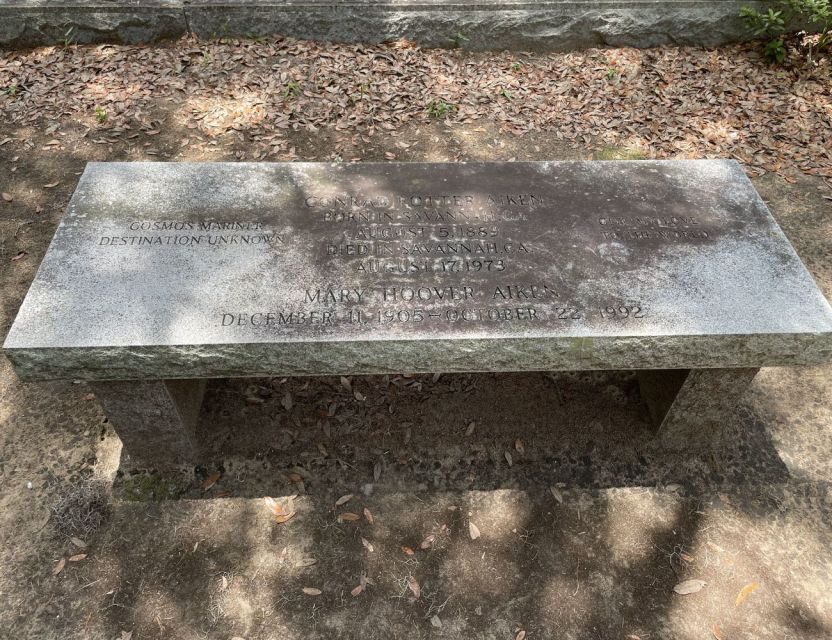
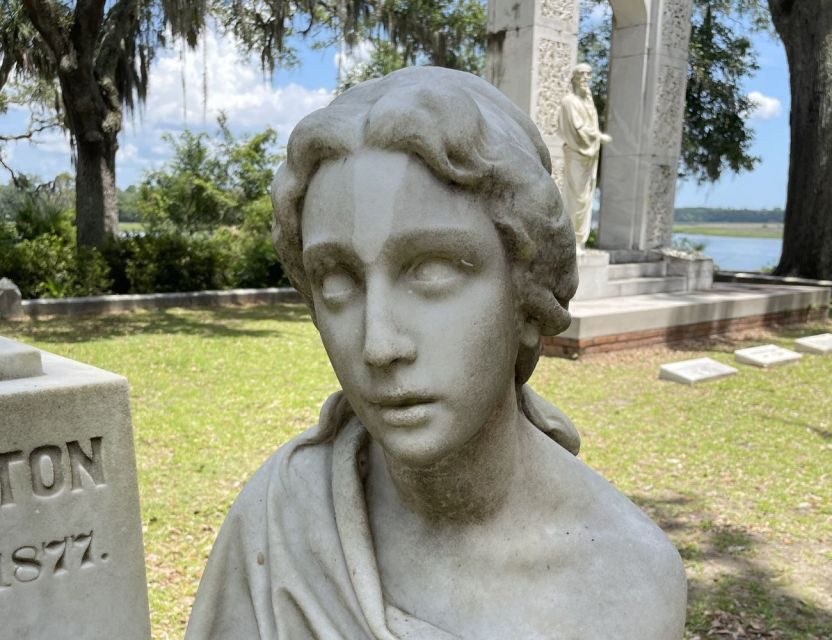
If you’ve heard anything about Bonaventure, you’ve probably heard about Little Gracie. On this tour, she’s not treated like a postcard. You’ll learn why her marble tribute is so striking and so closely tied to a family’s grief.
The story is haunting in a very grounded way: Little Gracie was a six-year-old buried here, and her parents couldn’t bear to look at her directly. The result is a form of memorial that shifts the focus from the raw reality of loss to the lasting image of a child kept in stone. Whether you’re sentimental or skeptical, you’ll feel the power of that choice when you’re standing near the statue.
What I like about including Little Gracie is that it gives you a “translation tool” for the rest of the cemetery. After that, other tombs and plaques start to read differently. You stop seeing them as isolated monuments and start seeing them as messages meant for visitors, including future strangers.
Tombs, Obelisks, and Plaques: How to Read What You’re Looking At
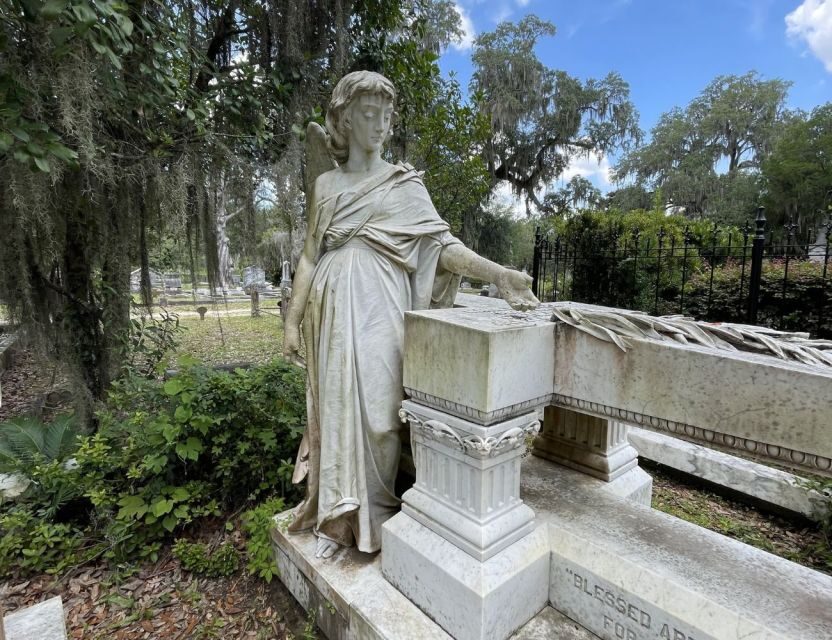
One of the best parts of this experience is the way your guide helps you “decode” what you see. Gravestones can be hard to interpret when you’re unfamiliar with the symbolism and style. Here, the tour gives you a simple framework: monuments are built to communicate.
As you move through the grounds, you’ll uncover the drama behind tombs, obelisks, and plaques. Think of it as the difference between staring at art in a gallery and having someone explain what the artist was trying to say. You’ll notice details sooner, like how stonework is arranged and how memorials were designed to fit the emotional tone of the family.
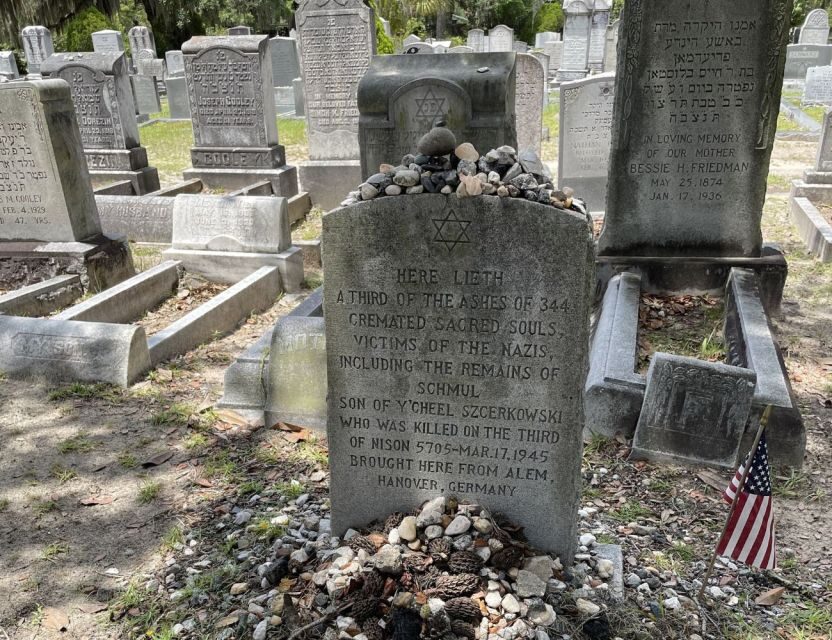
This is also where Bonaventure’s Victorian layer shows up. The cemetery reflects Victorian-era views and superstitions on death. Those beliefs shaped the look and the language of mourning—so when you hear the context, the stones stop being just old. They become culturally specific, like a set of visual rules for how to grieve in public.
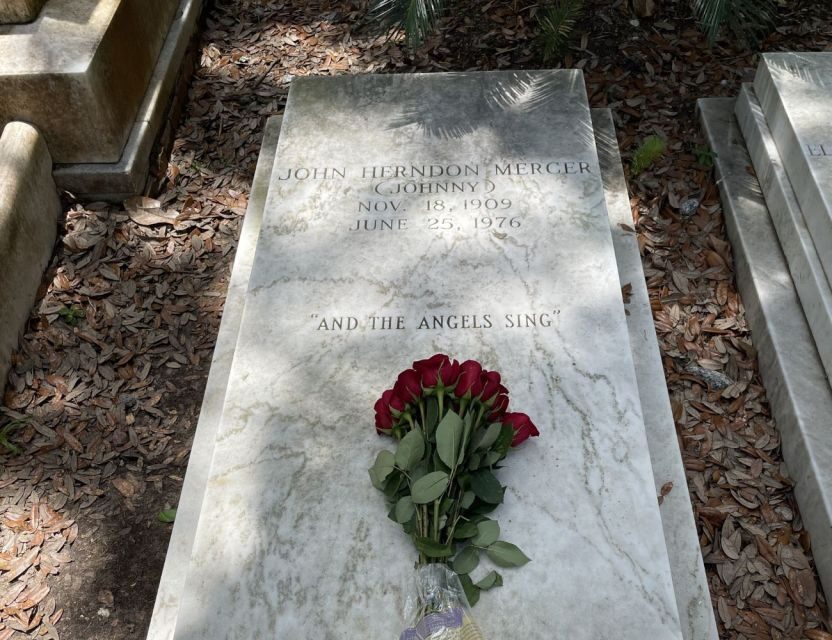
And yes, you’ll see influential individuals and families immortalized here, not as abstractions but as names anchored to places you can walk up to. The Mercer family is one example you’ll learn about, tied directly to who is laid to rest in the cemetery.
Other cemetery tours we've reviewed in Savannah






Victorian Death Beliefs: The Context That Changes the Mood
Victorian-era attitudes toward death were deeply social. People didn’t treat grief as something to hide. They built ways for it to be seen and interpreted.
On this tour, your guide connects that mindset to what you see in Bonaventure. You’ll hear about death-related superstitions and the ways memorials were shaped by the ideas of the time. It’s the sort of history that isn’t locked in textbooks. It shows up right in the materials and the phrasing on the stones.
For you, this matters because it keeps the tour from turning into pure spooky vibes. The goal isn’t sensationalism. It’s understanding how a culture expressed loss. When you know that, the cemetery feels less like a haunted set and more like an emotional archive.
And because your guide is speaking live in English, you can ask questions as you go. That’s a big quality-of-life factor. In a cemetery, tiny details can matter. Being able to ask a question on the spot helps you leave with real clarity, not just photos.
The Guide Factor: Why the Tour Feels Memorable
The human element matters here, and the information you get depends on how your guide tells the story. One guide name that stands out from recent feedback is Dean. He’s described as fun in presentation, very responsive to questions, and able to point out more than people expect to catch on a first visit.
Even if your guide isn’t Dean, aim to choose a tour that has strong storytelling energy. You want someone who can connect the dates and names to something you can feel—without turning the experience into a joke. This tour aims for that balance: respectful, detailed, and still engaging.
Also, because it’s a shared walking tour, the group size stays manageable enough that the guide can keep a smooth flow. You’re not being herded like a flock. You’re walking, listening, and occasionally slowing down when the next monument demands it.
Price and Value for a $37, 90-Minute Walking Tour
At $37 per person for about 90 minutes, this tour sits in the middle zone for Savannah experiences. It’s not bargain-basement, but it also isn’t long enough to feel like you’re overpaying for time that could’ve been spent on your own.
The value comes from two things: context and guidance. Bonaventure is visually impressive, but the real payoff is learning the stories behind the tombs, obelisks, and plaques—plus the Victorian beliefs shaping the cemetery’s tone. Without a guide, you’ll still see famous monuments. With a guide, the cemetery starts making sense.
You’re also paying for convenience. Express security screening helps you start smoothly, and the tour’s structure keeps you from wandering aimlessly for too long. Ninety minutes is also a sweet spot for most schedules. You get a meaningful experience without consuming an entire morning or afternoon.
If you’re short on time in Savannah, this is an efficient way to get the best-known highlights while still understanding what you’re looking at.
Practical Stuff Before You Go (The Bits That Save Your Day)
Bring:
- Comfortable shoes for walking the grounds
- Weather-appropriate clothing since the tour runs rain or shine
Plan around the rules:
- No smoking, alcohol, or drugs
- No video recording
Accessibility note:
- Not suitable for people with mobility impairments
One more tip: go in with the expectation that you’ll slow down. The cemetery rewards attention. If you treat it like a quick stop for photos, you’ll miss what makes the tour worth paying for.
Should You Book Tombs of Savannah for Bonaventure Cemetery?
Book it if you want more than a walk among old stones. This is for you if you like guided explanations, enjoy historical context, and want the stories behind famous monuments like Little Gracie and notable families such as the Mercer family. The live English guide plus a 90-minute plan makes it a strong choice when you want value without eating your whole day.
Skip it if you need a fully accessible route for mobility needs or if you prefer going completely on your own with no guidance at all. Also, if you hate rain-weather tours, keep an eye on the sky and wear the right layer—this one runs in any weather.
If you’re curious about Victorian views on death and you want to see why Bonaventure is world-famous, this guided walk is a smart, thoughtful way to experience it.
FAQ
How long is the Bonaventure Cemetery experience?
It lasts about 90 minutes.
What is the price?
The price is $37 per person.
Where do I meet the guide?
Meet at the Bonaventure Cemetery Visitor Parking Area near the Wilmington River. The guide will be wearing a Junket t-shirt.
Is the tour offered in English?
Yes, the live tour guide speaks English.
Does the tour run rain or shine?
Yes, it runs rain or shine.
What should I bring?
Wear comfortable shoes and dress in weather-appropriate clothing.
Is the tour suitable for mobility impairments?
No, it is not suitable for people with mobility impairments.