REVIEW · SAVANNAH
Andrew Low House
Book on Viator →Operated by Andrew Low House Museum · Bookable on Viator
One Savannah stop tells a lot. The Andrew Low House Museum is a guided look at an Italianate mansion, with the Low family story woven through the rooms—and even the people who lived and worked there. You’ll also get time to wander the gardens after the tour, which makes the whole visit feel less like a rush-through and more like a slow, thoughtful circuit.
I especially love the docent-led format. Tours run frequently throughout the day, and the guide leads you through the house room by room instead of leaving you to decode it on your own. I also like the Girl Scouts connection through Juliette Gordon Low, because it gives the story a recognizable hook while still tying it back to daily life in 19th-century Savannah.
One thing to keep in mind: not every corner of the property is part of the visitor route. The basement is used for museum administration and research, and the tour focuses on specific rooms rather than an everything-is-open scan; also, there are no bathroom facilities on site.
In This Review
- Key Points You’ll Care About Before You Go
- Entering the Andrew Low House Museum: Italianate Architecture With a Purpose
- How the Docent-Led Tour Works (and Why It Feels Focused)
- First floor: spaces for family, hosting, and everyday life
- Upstairs: private rooms and a rare indoor bathroom
- The tour also addresses enslaved labor and living
- The Girl Scouts Thread: Juliette Gordon Low’s Family Connection
- Gardens After the Tour: A Nice Breather From City Noise
- Original Collection vs. What You Don’t See: Managing Expectations
- Price and Timing: Value for $15 in Savannah Time
- Practical Details That Affect Your Comfort
- Who This Tour Fits Best (and Who Might Want Something Else)
- Should You Book the Andrew Low House Museum Tour?
- FAQ
- How long is the Andrew Low House Museum tour?
- What is included in the $15 ticket price?
- Are tours offered in English?
- How often do the guided tours depart?
- What are the museum opening hours?
- Are there bathroom facilities at the museum?
- Are service animals and public transportation nearby?
Key Points You’ll Care About Before You Go
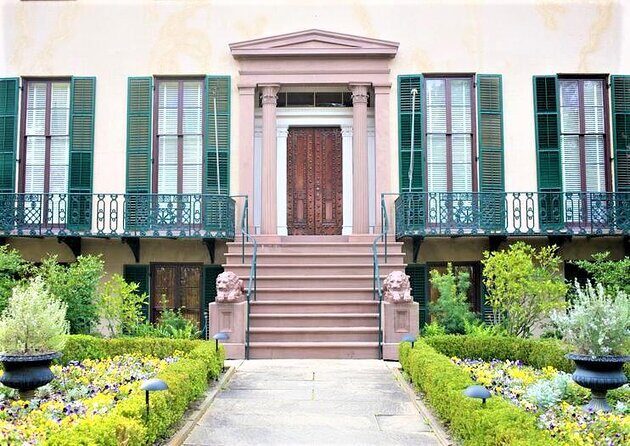
- Italianate mansion, real Savannah names: Andrew Low, architect John Norris (from New York), and the family line that leads to Juliette Gordon Low.
- Frequent departures: guided tours run about every 30 minutes, on the hour and half hour.
- Clear room-by-room structure: formal and informal parlors, library, dining room, plus upstairs spaces like a children’s playroom.
- A story that includes enslaved people: the tour discusses how the Low family lived and how enslaved people lived and labored at the home.
- About a one-hour overall visit: roughly 40 minutes of guided time, plus a chance to wander the gardens.
- Good value for the time: admission is included in the $15 ticket.
Entering the Andrew Low House Museum: Italianate Architecture With a Purpose
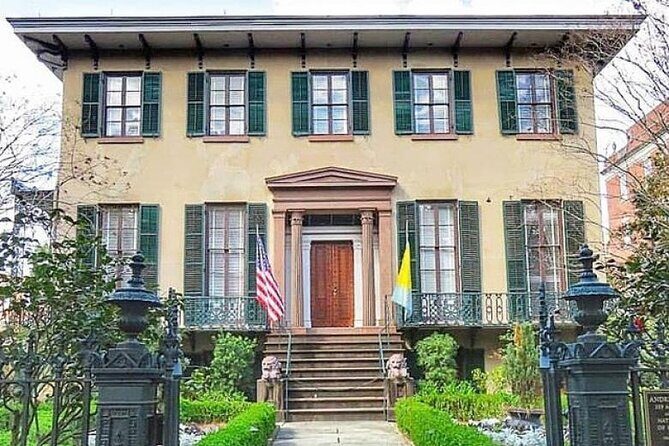
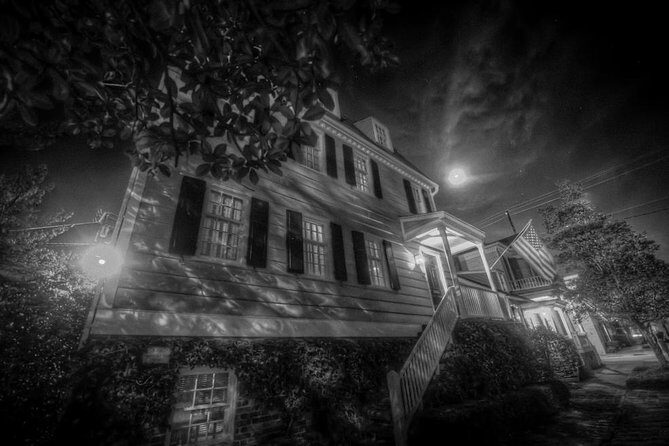
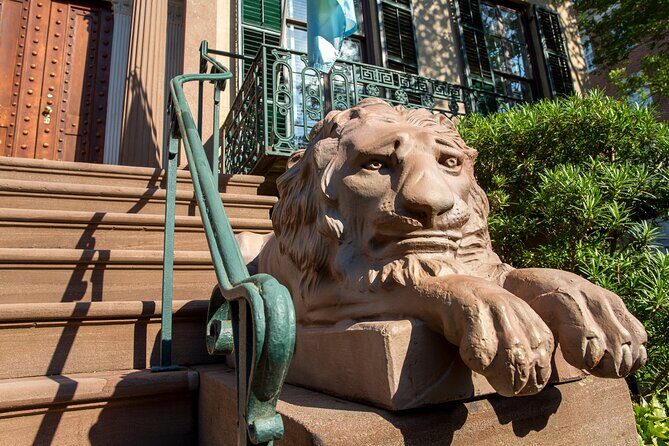
The Andrew Low House is the kind of place where the building itself does half the storytelling. This is an Italianate mansion built for wealthy cotton merchant Andrew Low by John Norris, an architect known for work out of New York. Even if you are not a trained architecture person, you’ll get a feel for why Savannah kept buildings like this standing and accessible.
What I like about this house is that the style isn’t just a pretty shell. The tour uses the layout—where people gathered, ate, slept, and spent family time—to explain how the Low family lived day to day. That means you’re not just admiring details; you’re using those details to build a mental map of daily life in the 1800s.
If you also care about local culture, there’s a second layer to the experience: the Low family story connects directly to Juliette Gordon Low, the founder of the Girl Scouts of the USA. That link helps you see how Savannah’s history isn’t sealed in the past—it flows forward into something many people recognize today.
Other architecture and historic homes tours in Savannah



How the Docent-Led Tour Works (and Why It Feels Focused)
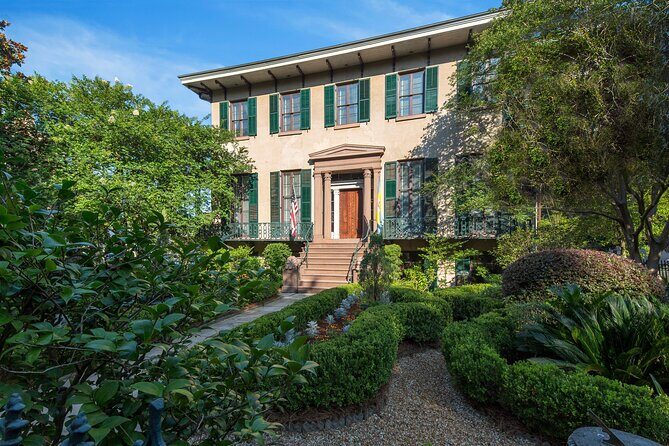
This is a guided house museum visit, and the format is built for getting you through the highlights without getting lost. Tours depart about every 30 minutes, on the hour and half hour, each day. That frequent schedule is handy when you’re building a day around Savannah’s neighborhoods and squares.
Plan on an overall visit of about an hour. Most of the “heavy lifting” happens during the docent-led portion (around 40 minutes), where the guide takes you through the parts of the home they want you to see and explains what they mean.
Here’s what that route looks like on the inside:
First floor: spaces for family, hosting, and everyday life
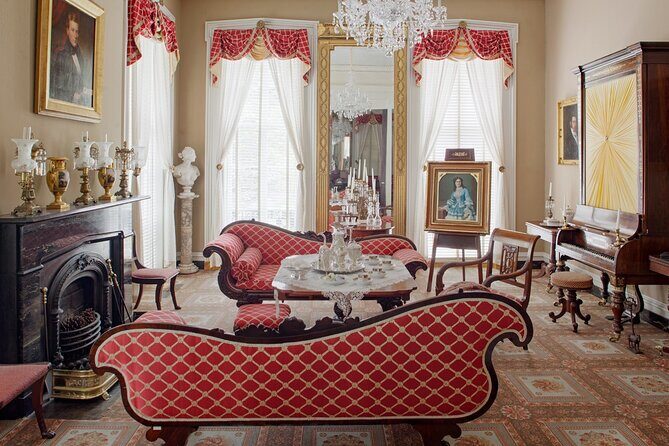
On the first floor, you’ll visit the family’s formal and informal parlors, the library, and the dining room. Those rooms matter because they show how status and routine worked in the 19th century—where conversations happened, where guests would have been entertained, and how family life organized itself around shared spaces.
Upstairs: private rooms and a rare indoor bathroom
Upstairs includes a children’s playroom, bedrooms, and a rare-for-the-period indoor bathroom. That bathroom detail tends to grab people’s attention because it’s not what you usually picture when you think of older homes. It signals comfort and practicality in a way that is easier to grasp when you’re actually standing in the room.
The upstairs bedrooms also include two rooms that were once occupied by notable guests of the family. If you like seeing how personal history plays out inside physical space, those rooms give the tour a sense of who came and why.
The tour also addresses enslaved labor and living
The guide talks about the Low family and how they lived, and it also includes discussion of those enslaved who lived and labored at the home. In other words, you do not get a tidy, only-pleasant version of the story. You’ll hear the full context, and it changes the way the house feels while you’re walking through it.






The Girl Scouts Thread: Juliette Gordon Low’s Family Connection
The Andrew Low House tour doesn’t treat the Girl Scouts link as a standalone trivia fact. Instead, it uses Juliette Gordon Low’s connection to the family to help you understand why this house has a second life in modern American culture.
The basic storyline goes like this: after Andrew Low passed away, the home was inherited by his son William and Juliette Gordon Low. From there, the house becomes more than an example of wealth and architecture. It becomes part of the background story of an organization that grew into a major part of many people’s childhoods.
For me, the value is how it makes the tour easier to follow. If you only cared about rooms, you could still enjoy it—but the Girl Scouts connection gives you a story spine. It also makes the history feel less like a textbook and more like a chain of real people and real decisions.
Gardens After the Tour: A Nice Breather From City Noise
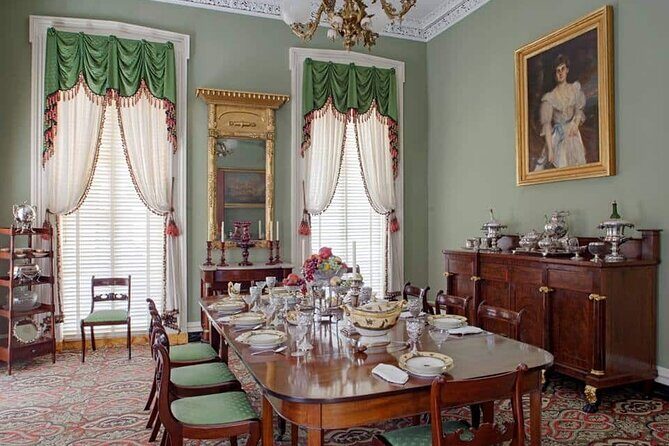
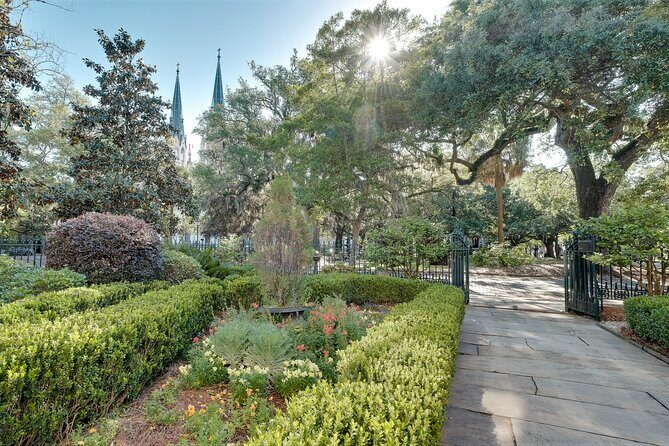
Don’t rush out right after the last room. The tour highlights that you can wander through the impressive gardens, and I think that’s a smart choice by the museum.
A house museum can sometimes feel like you’re walking through a stage set. The gardens offer contrast: more open air, more room to reset your thoughts, and a slower pace to process what you just learned. If you’re combining this with other Savannah stops, the garden time helps you keep the day from turning into a sprint.
Also, it gives your camera a break. You’ll still have indoor photos opportunities, but the gardens add a different kind of Savannah look—one that feels calmer and more lived-in than streets and sidewalks.
Original Collection vs. What You Don’t See: Managing Expectations
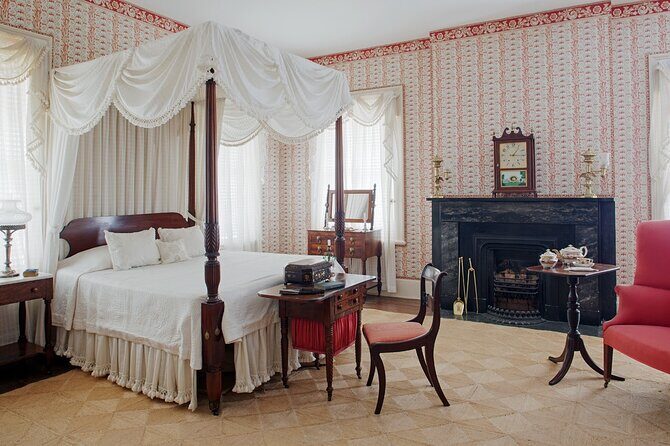
Let’s talk about the one place where the tour can frustrate some visitors: the difference between what’s open on the guided route and what the museum uses for its own work.
The Andrew Low House is preserved, not treated like a totally re-created set. The basement level is part of the story, but today it’s also used for administration and collection-related research, including administrative offices and collection files. That means some of the space you might imagine seeing is not presented as part of a visitor “show floor.”
And this is where the tour’s length and room selection come into play. The tour route is focused on certain rooms—the parlors, library, dining room, upstairs playroom, bathroom, and bedrooms—rather than every possible area of the home. One of the themes that came up in feedback is that visitors wanted more of the Low family collection items on display than they were shown during the walkthrough.
Here’s the balancing fact that helps: the collection inside the home includes roughly about one-third original materials connected to the Low family. The rest of what you see is arranged to help the museum tell the story clearly and manage how the property operates today.
So if you are the type who likes a long, slow walk through every room with no time pressure, you might feel the tour is “short” or “selective.” If you want a guided narrative that hits the main points, it works well.
Price and Timing: Value for $15 in Savannah Time
At $15 per person, this is priced for a worthwhile hour without feeling like a major budget hit. Admission is included, so you’re not playing games with add-ons or surprise fees after you arrive.
Because the visit is about an hour overall, it also fits easily into a plan. Savannah days can be jammed with walking, touring, and shifting between neighborhoods. A scheduled museum tour like this—running on the hour and half hour—lets you plug it into your day more cleanly than attractions with awkward timing.
One more practical note: tours are booked on average about 18 days in advance. That doesn’t automatically mean you’ll be shut out if you wait, but it is a good reminder to plan at least a bit, especially if you’re visiting during popular periods.
Practical Details That Affect Your Comfort

A couple of nuts-and-bolts points can make or break a small museum visit:
- No bathroom facilities: plan to use facilities before you start your tour. That’s not a small issue in an older building.
- Service animals allowed: if that applies to you, you can go ahead with confidence.
- Near public transportation: you can build this into a wider Savannah route without needing a car.
- Most people can participate: the museum route is designed so a typical visitor can manage it.
If you’re a frequent “wanderer” type, you might be tempted to show up whenever. The frequent departures help, but the timed nature still matters. If you want the best experience, try to arrive with enough time to settle in and start with your group without stress.
Who This Tour Fits Best (and Who Might Want Something Else)
This is a good match if you care about any of the following:
- Architecture and historic interiors: you get an Italianate mansion experience with specific rooms highlighted.
- Family history with a wider American connection: the Juliette Gordon Low link is part of why the story lands.
- A guided narrative that includes uncomfortable context: the tour discusses enslaved people who lived and labored at the home, not just the comfortable parts.
You might be less thrilled if you’re expecting a long, fully open, every-room tour. The museum focuses on select spaces, and the basement is used for administration and research. So if your ideal house visit is a slow, independent look at every level, you may want to pair this with another attraction where more of the property is accessible.
Also, because the tour covers enslaved labor and living, it’s a reminder that history here is not only decorative. If you prefer light, purely upbeat interpretation, this house will still be informative—but it isn’t aiming for comfort-only.
Should You Book the Andrew Low House Museum Tour?
Yes, I think you should book it if you want a compact, well-structured look at Savannah through a real historic house. For $15, you get a docent-led tour, a clear path through major rooms, a story that connects to the Girl Scouts, and enough garden time to slow the visit down afterward.
I’d hesitate only if you know you need a longer, more open-ended walkthrough, or if you strongly dislike tours where some areas are off-limits because the museum is also a working space. If that sounds like you, go in expecting a focused highlight route rather than a full-property free-for-all—and you’ll likely enjoy it more.
FAQ
How long is the Andrew Low House Museum tour?
The experience is about 1 hour (approximately), with a docent-led tour that is about 40 minutes.
What is included in the $15 ticket price?
Admission to the Andrew Low House Museum is included.
Are tours offered in English?
Yes, the tour is offered in English.
How often do the guided tours depart?
Tours depart about every 30 minutes, on the hour and half hour.
What are the museum opening hours?
The museum is open Monday through Saturday from 10:00 AM to 4:00 PM (during the listed date range).
Are there bathroom facilities at the museum?
No bathroom facilities are provided.
Are service animals and public transportation nearby?
Service animals are allowed, and the site is near public transportation.