REVIEW · SAVANNAH
Savannah: History and Architecture Homes Walk
Book on GetYourGuide →Operated by The Savannah Walks · Bookable on GetYourGuide
Savannah turns architecture into a story. In this 2-hour homes walk, I love how the guide links houses to real Southern life from the 1700s into the 1800s, instead of treating buildings like museum props. You’ll get plenty of specific stops (including the Owens-Thomas House) and a clear thread about how Savannah’s domestic neighborhoods evolved. One thing to consider: the route is a walking tour through the Historic District, and the tour runs in light rain—so you’ll want solid shoes and a weather plan.
Two things I like a lot: first, the tour leans into the design details and materials that shaped everyday life, not just big names. Second, the guide is native to Savannah and gives you time for questions, which matters when you want context beyond postcards. The one possible drawback is that the guide experience can be very personality-dependent—some people love the style, while others have found certain political framing or routing hiccups upsetting.
If you’re craving Savannah’s street-level charm with real architecture context, this is a smart pick. It ends near the Juliette Gordon Low Birthplace, so you finish with a landmark that ties Savannah history to a global legacy, not just the Civil War and plantation-era headlines.
In This Review
- Key takeaways before you go
- Finding the start: Warren Square in the middle of it all
- Owens-Thomas House: Regency detail you can actually see
- Green Meldrim House and the Sherman link during the Civil War
- The walk thread: how Savannah homes changed over 200 years
- Domestic life you can picture, not just dates to memorize
- Historic preservation: why the story keeps getting protected
- Juliette Gordon Low Birthplace finish: history with a different kind of impact
- Price and pacing: is $30 worth your time?
- Weather and comfort tips for a Savannah walk that actually works
- Who should book this homes walk, and who should skip it?
- Should you book the Savannah History and Architecture Homes Walk?
- FAQ
- How long is the Savannah History and Architecture Homes Walk?
- What does it cost?
- Where is the meeting point?
- What area does the tour cover?
- Which historic homes and landmarks are included?
- Does the tour focus on a specific time period?
- Is transportation included?
- Will the tour run if it rains?
- What should I wear and bring?
- Can I cancel or book flexibly?
Key takeaways before you go
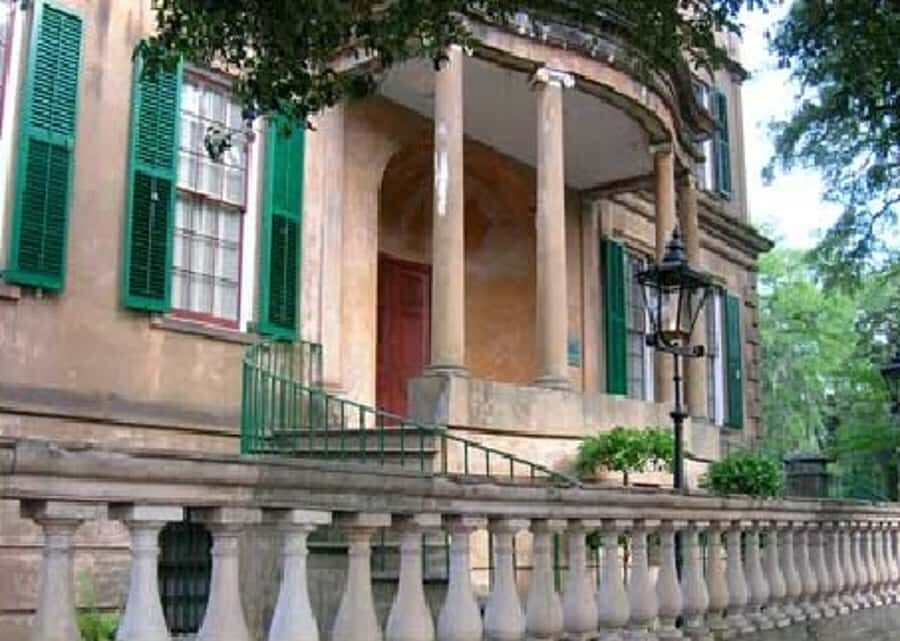
- Regency star power at Owens-Thomas: See why the Owens-Thomas House is often pointed to as a top example of Regency architecture in the U.S.
- Civil War connection at Green Meldrim: You’ll get the General William T. Sherman detail tied to the house.
- Architecture across 200 years: The walk explains how Savannah homes developed over two centuries, not just one era.
- Ask questions as you go: The experience is built for conversation, not a one-way lecture.
- End near Juliette Gordon Low Birthplace: Built in 1818 and honored as Savannah’s first National Historic Landmark.
- Weather and pacing matter: It’s a timed walk, so plan for standing and strolling in humid conditions.
Finding the start: Warren Square in the middle of it all
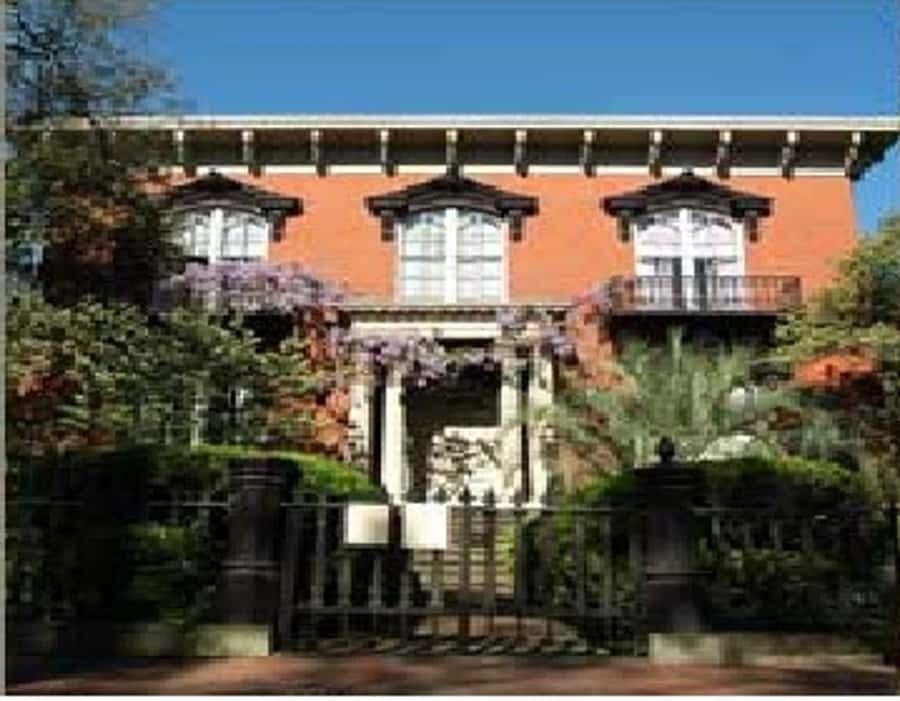
The meeting point is Warren Square, right between Congress Street and Habersham Street. That location is handy because it keeps you near Savannah’s Historic District core, where most of the big architectural sightseeing happens within easy walking distance.
Still, I’d treat the start as a small mission. One past hiccup I’ve seen described involved people waiting at the wrong spot. It’s simple to prevent: arrive a few minutes early, check you’re at the correct square, and if anything feels off, ask the staff on site for confirmation before the group leaves.
This tour is designed as a walking flow—so once you’re in the group, you’re moving. That’s a good thing for pacing. It also means you’ll want to be ready to stand still for short moments while the guide explains a façade, a building feature, or a neighborhood history.
Other architecture and historic homes tours in Savannah



Owens-Thomas House: Regency detail you can actually see
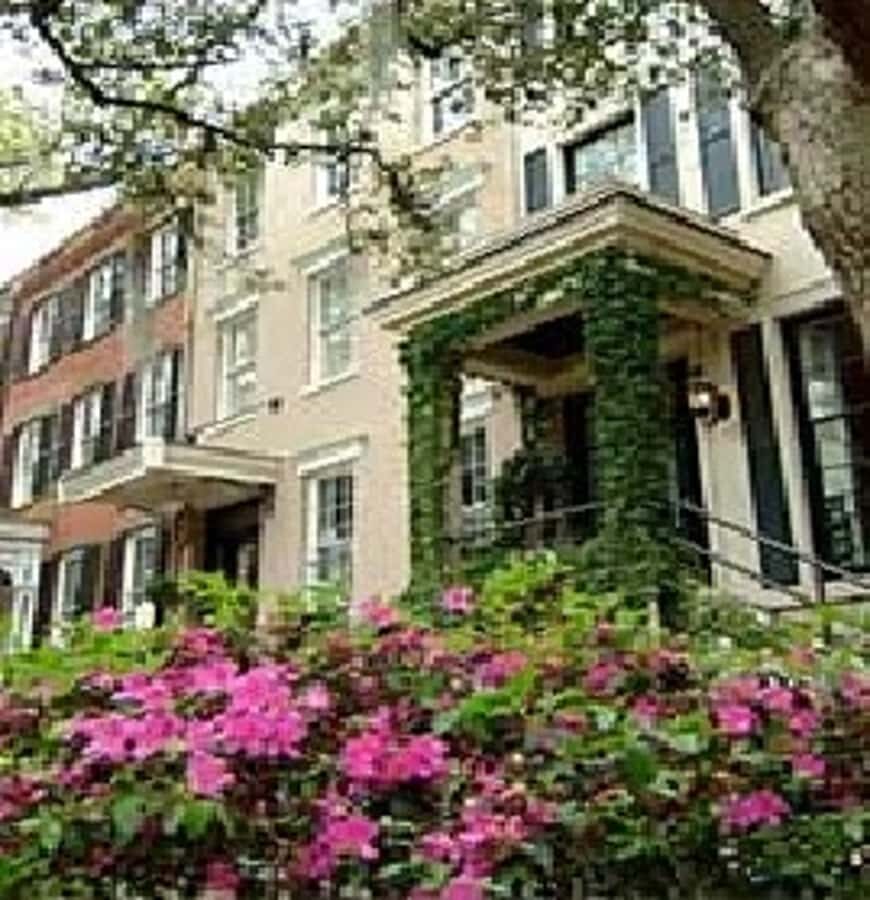
One of the main anchors here is the Owens-Thomas House, widely regarded as the premier example of Regency architecture in the United States. That’s a bold claim, but it’s also the kind that helps you look more closely. Rather than saying, Great, a famous house, the guide’s job is to help you see what makes it Regency—how the style communicates taste, wealth, and social identity through form and ornament.
When you’re at this stop, I’d focus on two practical things:
- What you notice from street level: Most details that matter are visible from the sidewalk or a short distance, so you can follow along without straining your neck for hidden features.
- How the guide ties style to daily life: The tour aims to connect domestic architecture to the way people lived in the 18th and 19th centuries—so the house becomes a window into habits and status, not just a decorative shell.
There’s also a “feel” factor. Savannah’s blocks under the trees can make a walk feel more like a slow conversation than a checklist. One person described this part as a relaxing morning under the trees, and that’s exactly what this city does well when you’re not racing to the next stop.
Potential drawback: if you’re hoping for lots of inside access, the format here is a guided historic walk centered on exterior viewing and explanation. You’ll still get detail, but manage expectations on how much you can see beyond the walk-by perspective.
Green Meldrim House and the Sherman link during the Civil War
Another highlight is the Green Meldrim House, connected to General William T. Sherman, who was a guest there during the Civil War. This is where the tour can shift from architecture-only talk into a more human story. You’re seeing how domestic spaces were tied to military movements and wartime realities.
The useful angle for your visit: Sherman’s presence doesn’t just add drama. It gives you a way to think about how war disrupted normal life and how big events played out through “regular” city buildings. That’s the value for you if you want more than trivia. You start asking better questions, like: How did people live when national conflict reached Savannah’s doors?
Be prepared that Civil War-era conversations can be sensitive. One account described a guide named Brad using a pro-Confederate framing and a phrase like slaves were treated like family. That’s not the kind of context everyone wants. If you know you prefer careful, non-political handling of slavery and the Civil War, keep your own comfort in mind, because the tour does include Civil War material through the Sherman connection.
The walk thread: how Savannah homes changed over 200 years
A big reason this tour works is that it doesn’t treat Savannah architecture as one uniform style. The guide discusses the development of domestic dwellings over two centuries, which is exactly what you should care about if you want the city to make sense.
Here’s what that means in plain terms:
- You’re learning that houses reflect the era’s materials, tastes, and social structure.
- You’re seeing that buildings don’t pop into existence fully formed. They evolve as needs, wealth, and design preferences shift.
- You’re getting a better sense of what “home” meant in different decades—not just what owners might have wanted on paper.
One review specifically mentioned enjoying explanations of the building materials used in historic homes in Savannah during the 1800s and early 1900s. Even if you don’t go full architecture-nerd, you can still pick up practical takeaways: why certain textures and construction choices show up, and how local choices relate to climate and availability.
This portion is where I’d slow down mentally. Ask yourself what kind of story the street is telling. In Savannah, the architecture is part of how the city communicated power and belonging, and this tour helps you read that language.
Domestic life you can picture, not just dates to memorize
The tour promises more than houses. It’s also about 18th and 19th century life in the South, with an emphasis on gentility, leisure charm, and how domestic dwellings supported social life. That phrasing can sound romantic in marketing, but the real benefit for you is that the guide should give you tangible context for everyday living: how homes functioned socially, how people gathered, and what architectural choices meant culturally.
This is also where questions come in. The tour includes time for you to ask questions, which is important because you might be thinking about different things than the guide is assuming. For example, you might want more clarity on how design relates to status, or you might want the Civil War context explained in a way that connects back to daily life.
I’d treat the question time like a value-add, not a bonus. If you care about a specific topic—architecture, slavery, the Civil War, historic preservation—this is the moment to raise it and make the tour more personal.
Other walking tours we've reviewed in Savannah






Historic preservation: why the story keeps getting protected
Another stated part of the experience is building an appreciation for historic preservation, including how Savannah pioneered the concept back in the mid-1950s. This matters because it changes what you think you’re seeing.
If you only see “pretty old buildings,” you miss the civic fight behind them: the idea that a city’s character is worth protecting. When you understand that preservation became a formal concept, the Historic District starts to feel less like an accident and more like a deliberate outcome.
Practically, this gives the walk a second layer. Yes, you’re there for Owens-Thomas and Green Meldrim. But you’re also learning why the neighborhood still looks walkable and coherent enough for tours like this to work.
Juliette Gordon Low Birthplace finish: history with a different kind of impact
The tour ends in the vicinity of the Juliette Gordon Low Birthplace, a site built in 1818. It has been consecrated as Savannah’s first National Historic Landmark, honoring the founder of the Girl Scouts.
This ending is a smart contrast to what you just absorbed. The earlier stops pull you toward architecture and war-era connections. The Low Birthplace shifts you toward legacy and civic influence. It’s a different kind of “how history moves forward,” and it gives you a final anchor that doesn’t feel only tied to conflict or wealth.
If you want to squeeze one extra minute of value at the end, do this: pause and read the site context as if it’s part of the same city story. Savannah’s homes and neighborhoods shaped daily life. Then Savannah’s people helped shape how the wider world organizes youth and opportunity. That connection is the kind of meaning you can walk away with.
Price and pacing: is $30 worth your time?
At $30 per person for 2 hours, you’re paying for three things that matter in Savannah:
- A native guide who can connect buildings to the city’s story.
- Guided interpretation that helps you see architectural details without needing to research every stop yourself.
- A walking-format experience that keeps the time efficient.
In value terms, this is a good deal if you like context. If you mostly enjoy wandering with your own audio app, you might feel the price. But if you want a human who can answer questions and point out what to notice, the cost makes more sense quickly.
Pacing is also a practical issue. Two hours in the Historic District usually means a steady walk with stops for explanation. It’s not a race, but it’s also not a sit-down lecture. I’d pack in that mindset: comfy shoes, water in summer, and no expectation that you’ll move leisurely at every step.
Weather and comfort tips for a Savannah walk that actually works
The tour departs in light rain, so bring an umbrella or a rain coat if the weather looks questionable. That’s not just “nice to have.” Savannah rain can shift fast, and being caught without shelter can ruin your focus on details.
Summer heat and humidity are real. Bring water and plan to take a moment between stops. The city can feel like it’s running you, not the other way around.
Comfort is the simplest upgrade you can make. This tour is built on walking. Your feet and legs are the limit—not the information.
Who should book this homes walk, and who should skip it?
This tour fits best if you want:
- A guided architecture-and-life perspective on Savannah’s Historic District.
- Two solid anchors—Owens-Thomas House and Green Meldrim House—with explanations that connect to the 18th/19th centuries.
- A finish near the Juliette Gordon Low Birthplace so your morning ends with a meaningful civic landmark.
You might want to think twice if:
- You’re sensitive to politically framed commentary around the Civil War era. One account tied to a guide named Brad described a pro-Confederate view and insensitive wording about slavery.
- You hate walking tours or need lots of indoor time. This is outdoors, mostly street-level viewing and interpretation.
If you’re flexible on weather, comfortable on your feet, and happy to let a guide interpret what you’re seeing, this is a strong Savannah morning plan.
Should you book the Savannah History and Architecture Homes Walk?
I’d book it if you want a structure light experience that still teaches you how to read Savannah’s homes—especially with the Owens-Thomas House and the Green Meldrim/Sherman connection. The guide-led focus on domestic life across centuries is the value here, and the ending at the Juliette Gordon Low Birthplace gives your walk a satisfying close.
Before you go, do two small prep moves: wear shoes you trust for uneven sidewalks, and double-check that you’re at Warren Square between Congress and Habersham when the group starts. Those tiny steps make the whole tour smoother.
FAQ
How long is the Savannah History and Architecture Homes Walk?
It lasts 2 hours.
What does it cost?
The price is $30 per person.
Where is the meeting point?
You meet at Warren Square, between Congress Street and Habersham Street.
What area does the tour cover?
It walks through the Historic District, focusing on Savannah’s historic neighborhoods and domestic dwellings.
Which historic homes and landmarks are included?
You’ll see highlights including the Owens-Thomas House and the Green Meldrim House (with a mention that General William T. Sherman was a guest there). The tour ends near the Juliette Gordon Low Birthplace, built in 1818 and recognized as Savannah’s first National Historic Landmark.
Does the tour focus on a specific time period?
Yes. It focuses on 18th and 19th century culture and domestic life.
Is transportation included?
No. Transportation is not included.
Will the tour run if it rains?
The walks depart in light rain, so bring an umbrella or rain coat if weather looks questionable.
What should I wear and bring?
Wear comfortable walking shoes and dress for the weather. Bring an umbrella or rain coat for light rain, and during summer bring water due to heat and humidity.
Can I cancel or book flexibly?
You can cancel up to 24 hours in advance for a full refund. You can also reserve now & pay later, meaning you book your spot and pay nothing today.