REVIEW · SAVANNAH
2 Hours Savannah Architectural Tour
Book on Viator →Operated by Noble Jones Tours, LLC · Bookable on Viator
Savannah architecture has a way of turning corners into stories. This 2-hour walking tour focuses on the people behind the buildings, from William Jay to John Norris, and it keeps you moving through quieter streets that most standard loops miss. You’ll also get a take-home map so the tour doesn’t end when the walk does.
I especially like the listening technology that helps you hear the guide even if you’re a few steps back. I also love that the route uses the city’s squares and housefronts to explain how preservation worked, not just how the buildings look.
One thing to consider: this is an outdoor route, so you won’t be doing indoor museum visits as part of the experience.
In This Review
- Key Things to Know Before You Go
- A 2-Hour Savannah Architectural Walk That Feels Like a Friendly Lesson
- Price and Value: What $50 Buys You in Real Terms
- Meeting at Abercorn Street, Ending at Lafayette Square
- The Route: How Each Stop Builds the Bigger Architectural Story
- Stop 1: Juliette Gordon Low Birthplace Museum and William Jay
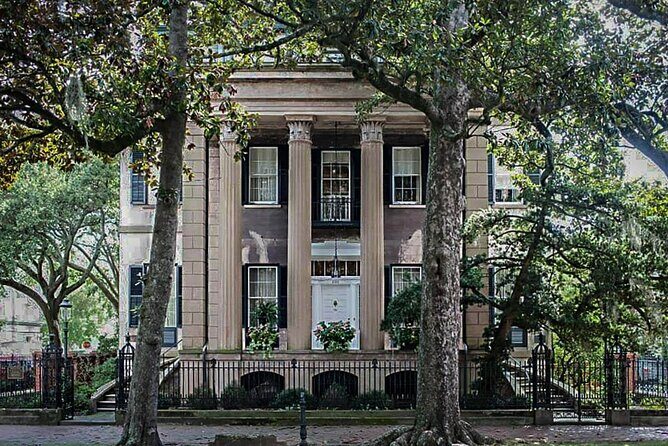
- Stop 2: Harper Fowlkes House and Charles Klusky
- Stop 3: Orleans Square and the Bullochs House Site
- Stop 4: SCADstory and Savannah’s Original Armory
- Stop 5: Gryphon Tea Room and the Scottish Rights Temple
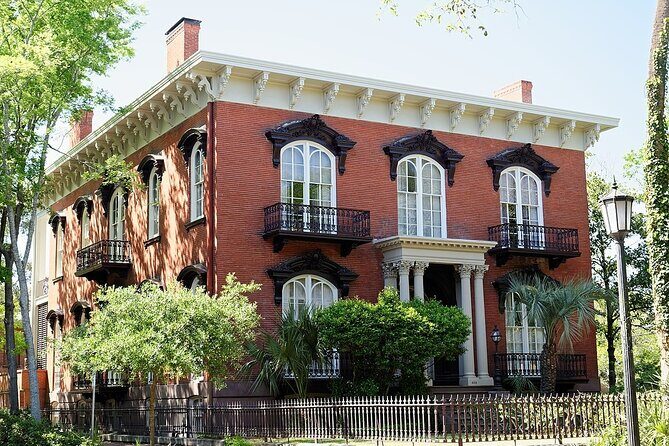
- Stop 6: Mercer Williams House Museum and John Norris
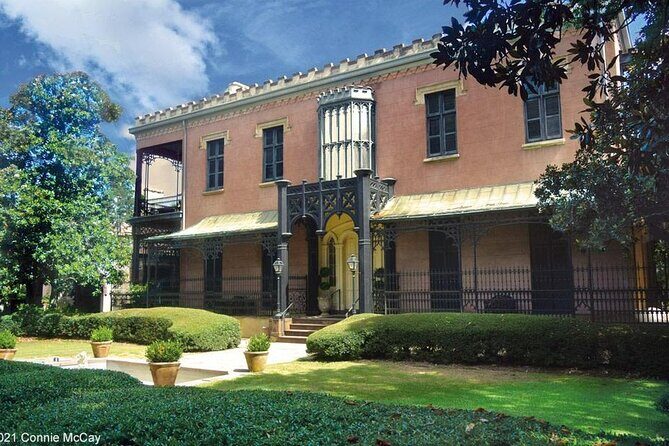
- Stop 7: Green-Meldrim House and John Norris Again
- Stop 8: Girl Scout First Headquarters and Andrew Low
- Stop 9: Lafayette Square, St John the Baptist Cathedral, and J.D. Hall
- Why the Hearing Technology Changes the Experience
- What I’d Tell a Friend About the Pace and Route
- Who This Tour Is Best For (and Who Might Want Something Else)
- The Bottom Line: Should You Book the 2-Hour Savannah Architectural Tour?
- FAQ
- How long is the Savannah Architectural Tour?
- What does it cost?
- Where does the tour start and end?
- Is this tour indoors or outdoors?
- Do I need to speak a certain language?
- How do I hear the guide clearly?
- Is there a take-home map?
- How large is the group?
- Are service animals allowed?
- Is there free cancellation?
Key Things to Know Before You Go

- Hear every detail with listen-to-talk tech designed for up to 150 feet
- Small group size (maximum 10), which makes questions easier and pacing calmer
- A landmark map to keep exploring after you finish at Lafayette Square
- Outdoor-only viewing of historic buildings and housefronts
- Architect-focused storytelling, including William Jay, John Norris, and others
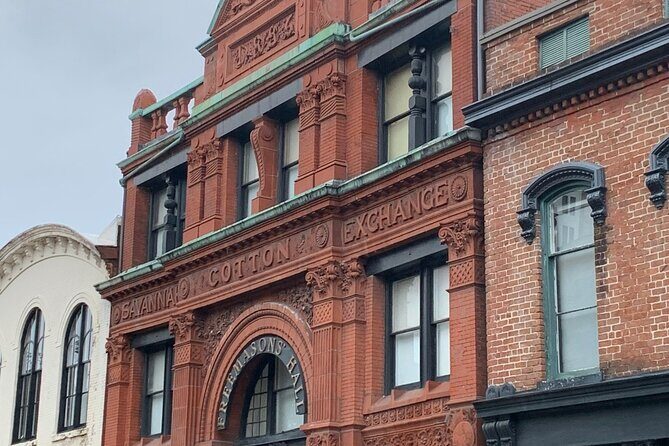
- Route includes lesser-seen stops, including places tied to the Freemasons and the Girl Scouts
A 2-Hour Savannah Architectural Walk That Feels Like a Friendly Lesson

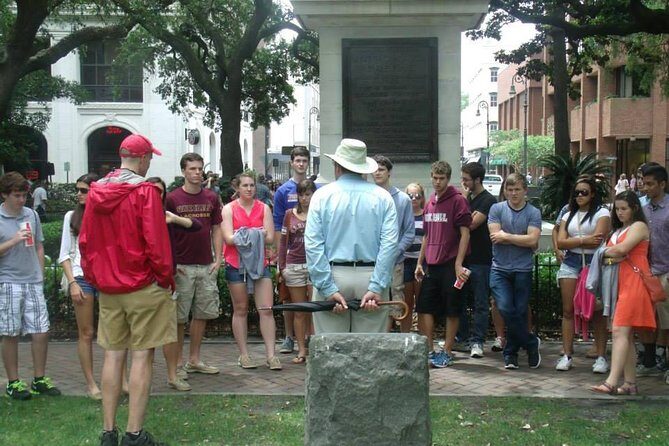
This is the kind of Savannah tour that doesn’t treat the historic district like a museum you rush through. You’re given context for what you’re looking at: which architect designed it, who paid for it, and how the building survived through changing eras. The best part is that you keep walking, so you learn without feeling stuck in one place.
The duration is about two hours, which is long enough to cover real ground and short enough to stay flexible. At $50 per person, it’s a clear value play if you’re the type who likes details like stylistic tells and preservation choices, not just photo stops.
And the group stays small, with a maximum of 10 travelers. That matters in Savannah, where it’s easy for tours to feel crowded or hard to hear.
Other architecture and historic homes tours in Savannah



Price and Value: What $50 Buys You in Real Terms
$50 might sound like a lot if your idea of a tour is standing on one corner and hearing a few facts. Here, your money buys three practical benefits.
First, you get the equipment for hearing the guide clearly. Noble Jones Tours uses listen-to-talk so you can follow the story without constantly turning your head or “guessing” what you missed.
Second, you get a take-home landmark map. That’s valuable because Savannah’s historic district is easy to wander in the wrong direction. A route you can use later turns your tour into a head start.
Third, you’re not stuck with the same “big sights only” approach. The route includes buildings that many general walking tours tend to skip, including residential streets and architect-linked sites beyond the usual loud crowd magnets.
Meeting at Abercorn Street, Ending at Lafayette Square
The tour starts at 124 Abercorn St and ends at 330 Abercorn St in front of the fountain in Lafayette Square. That setup is convenient because Lafayette Square is a natural place to pivot into your own plans right after the tour.
You’ll be on foot for the full experience, so wear shoes you trust. Savannah sidewalks are lovely, but you’ll cover a decent stretch in two hours. Also, bring water if it’s warm. One past guest noted their guide brought water and even umbrellas when needed, which is a nice reminder that comfort can matter on a sunny day.
The Route: How Each Stop Builds the Bigger Architectural Story
You’ll move through a sequence of sites that each connects to a named architect, plus a preservation or design clue that helps you read Savannah like a diagram. The time at each stop is short, so the guide’s job is to give you a mental hook you can carry forward to the next building.
Stop 1: Juliette Gordon Low Birthplace Museum and William Jay
Your walk opens at the Juliette Gordon Low Birthplace Museum. From the outside, the focus is on Savannah’s architectural leadership, including William Jay, who is discussed as a key figure in how the city’s built character developed.
Even if you’ve seen Savannah before, this kind of framing changes what you notice. Instead of just admiring the façade, you start asking questions like: which features reflect the architect’s style, and how did that style support the city’s growth?
A few more Savannah tours and experiences worth a look






Stop 2: Harper Fowlkes House and Charles Klusky
Next up is the Harper Fowlkes House, with a discussion that brings in Charles Klusky. This is where you start to see Savannah architecture as a craft story, not just a style collection.
A strong tour moment here is the way the guide ties architectural decisions to real people. You’re not memorizing names for trivia. You’re learning how designers and builders shaped what you see today, and why those choices still matter.
Stop 3: Orleans Square and the Bullochs House Site
Then the route shifts to Orleans Square. The talk connects the area to the Harper Fowlkes House and also to the site of what once was the Bullochs House.
This is a useful stop because it gives you permission to think beyond what’s standing. In Savannah, history is layered, and a square often holds more than one chapter. When you learn that a site once held something else, you’ll look at the space differently after the tour ends.
Stop 4: SCADstory and Savannah’s Original Armory
SCADstory enters the picture with a discussion of Savannah’s original armory and architect William Gibbons Preston. This stop helps balance the route so it isn’t only about homes and society buildings.
Armories bring a different kind of architectural logic into the conversation. It’s a reminder that architecture served practical civic needs as well as social status. If you like understanding how building types reflect the city’s priorities, this is a good hinge point in the tour.
Stop 5: Gryphon Tea Room and the Scottish Rights Temple
At the Gryphon Tea Room, the focus turns toward the Scottish Rights Temple. The guide connects it to an appendage of the Freemasons and names architect Hyman Witcover.
This is the kind of stop that makes you feel like you got a private key to a side door in Savannah history. Instead of guessing at what a building used to be, you’re given the context that explains why the site is significant. For architecture lovers, these are the “wait, that explains a lot” moments.
Stop 6: Mercer Williams House Museum and John Norris
The Mercer Williams House Museum stop is about architect John Norris, plus how preservationists helped protect the building’s legacy. Jim Williams is specifically mentioned as part of the preservation story.
This section is one of the most practical parts of the tour because it answers a question you might not ask on your own: how do certain buildings survive while others change or disappear? You come away thinking about preservation as active work, not a miracle.
Stop 7: Green-Meldrim House and John Norris Again
At the Green-Meldrim House, John Norris returns to the story. Having the same architect discussed across different sites helps your brain build patterns.
When an architect is mentioned more than once, you can compare features and ask what stays consistent across projects. It’s a simple trick, but it makes the tour feel cohesive. You’re not collecting random facts. You’re building a framework.
Stop 8: Girl Scout First Headquarters and Andrew Low
The route continues to Girl Scout First Headquarters, connecting Andrew Low with architect John Norris. This stop adds another dimension to the city’s architecture story because it ties buildings to organizations and social change.
Even if you’re not a history scholar, it’s easy to connect the dots when a site represents more than a family home. The building becomes a clue to how communities used space and how certain spaces gained lasting meaning.
Stop 9: Lafayette Square, St John the Baptist Cathedral, and J.D. Hall
Finally, you reach Lafayette Square and the talk circles back to major landmarks nearby. St John the Baptist Cathedral is part of the discussion, along with J.D. Hall’s Hamilton-Turner House.
Ending here is smart. Lafayette Square is visually strong, and by the time you arrive, you’re already primed to “read” architectural choices instead of just looking at them.
Why the Hearing Technology Changes the Experience
One reason this tour scores so high is the way you can actually hear the guide. Noble Jones Tours provides a listen-to-talk system that supports hearing your guide up to 150 feet away.
That’s not a small detail. In a city like Savannah, groups spread out as people look up, point, and take photos. Without clear audio, you lose the thread fast. With it, you can keep your focus on the stories tied to each stop.
If you’re hard of hearing or you just want an easier time following the conversation, the optional headphones add comfort. This is the kind of feature that makes a guided walk feel less like work.
What I’d Tell a Friend About the Pace and Route
The pace is designed to fit two hours without making you feel rushed. Stops are short, but the guide’s goal is to leave you with one key idea you can remember later. Many guides use big-picture storytelling, but here the focus stays anchored in named architects and observable building traits.
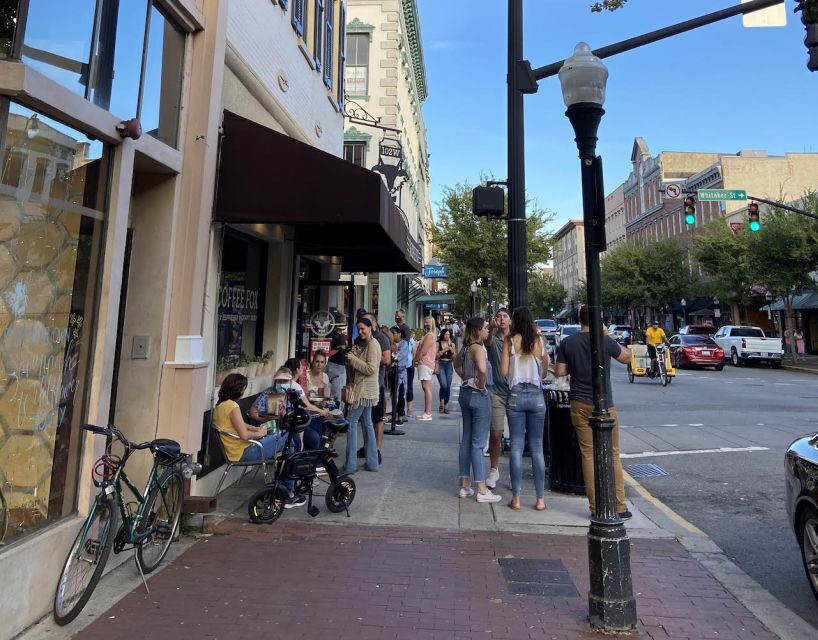
Also, the route tends to steer you away from the loudest tourist lanes at times. That helps you enjoy the architecture without constantly fighting shoulder-to-shoulder crowds. If you’ve been to Savannah before and done the “usual” walk, this approach is a good way to get new angles.
Who This Tour Is Best For (and Who Might Want Something Else)
You’ll probably love this tour if you:
- enjoy historic buildings and want to learn who designed them
- like asking why certain details exist, not just snapping photos
- want a guided start to your self-guided exploring, thanks to the landmark map
- prefer small groups where questions actually get answered
You might want a different type of tour if you’re mainly interested in deep interior access. Since this is outdoor and house admissions aren’t included, you won’t be spending time inside museum spaces as part of the package.
The Bottom Line: Should You Book the 2-Hour Savannah Architectural Tour?
I’d book this if you want the best “architecture per hour” deal in Savannah without feeling like you’re cramming. The small group size, the clear-hearing equipment, and the map to carry forward are the practical wins. The route also hits stops that feel more specific than the standard downtown circuit.
If you want to understand Savannah through the lens of the architects and the preservation choices that shaped what’s still standing, this tour gives you a strong foundation fast.
FAQ
How long is the Savannah Architectural Tour?
The tour is about 2 hours.
What does it cost?
The price is $50.00 per person.
Where does the tour start and end?
It starts at 124 Abercorn St, Savannah, GA 31401, and ends at 330 Abercorn St in Lafayette Square in front of the fountain.
Is this tour indoors or outdoors?
It is an outdoor walking tour, and admissions to house museums are not included.
Do I need to speak a certain language?
The tour is offered in English.
How do I hear the guide clearly?
Noble Jones Tours provides listen-to-talk technology so you can hear the guide up to 150 feet away, and optional headphones are available.
Is there a take-home map?
Yes, you get a landmark map to continue exploring after the tour.
How large is the group?
The tour has a maximum of 10 travelers.
Are service animals allowed?
Yes, service animals are allowed.
Is there free cancellation?
Yes. You can cancel up to 24 hours in advance for a full refund. If you cancel less than 24 hours before the start time, the amount paid is not refunded.