REVIEW · SAVANNAH
Savannah Slavery to Freedom Guided History Tour
Book on Viator →Operated by Gray Line Savannah · Bookable on Viator
One street at a time, Savannah’s past gets real. This Slavery to Freedom guided history tour connects West African roots to sites tied to forced labor and sale, then follows a path toward freedom. You get an engaging telling by a Master Gullah Geechee Truth-Teller, led by Sistah Patt (and in some tours by Sister Rosalyn), with narration that sticks.
I especially like the way the tour stays focused on how Savannah was built—people, power, and money—without turning into a guilt trip. I also love the strong sense of place at River Street and Johnson Square, where the story is grounded in exact locations you can see.
One thing to consider: the material is emotionally heavy, and the pace may feel intense for younger kids (while some families report their children handled it well with the guide’s tone).
In This Review
- Key things to know before you go
- A truth-teller style you can actually follow
- Where you start in Savannah (and why that matters)
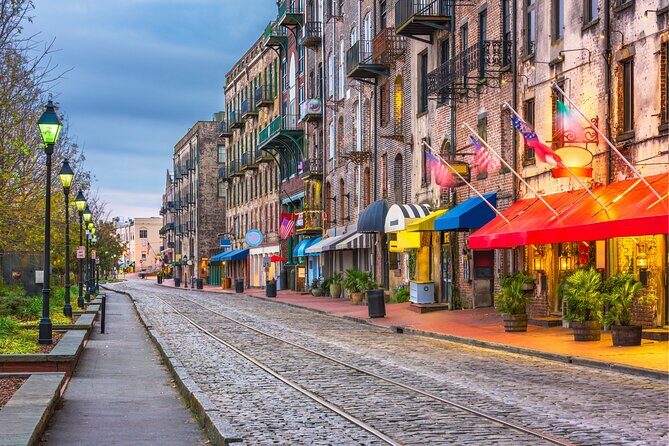
- River Street: the forced-labor story behind the warehouses
- Johnson Square: where the auction block becomes a real location
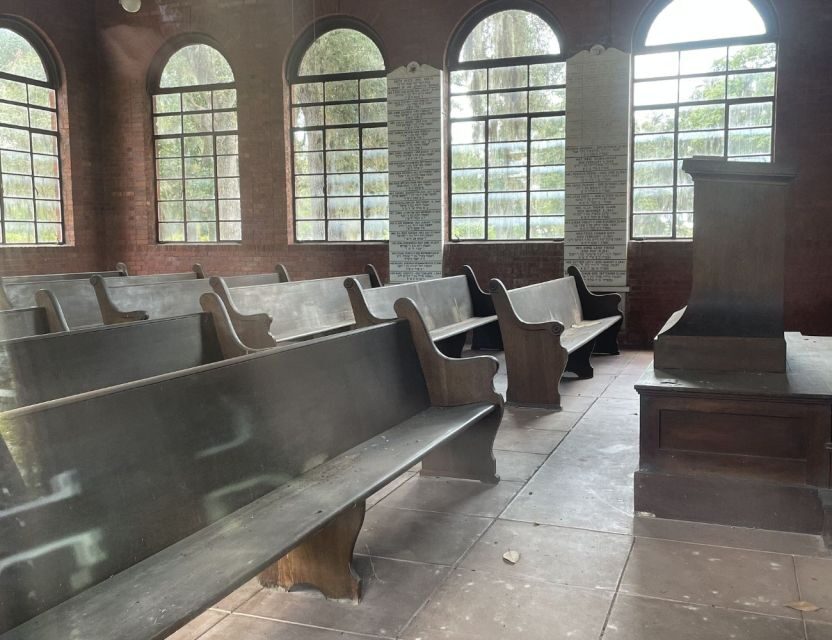
- The freedom route and the Second African Baptist Church
- African American Monument and Laurel Grove Cemetery: why these stops stick
- Sister Patt and Sister Rosalyn: storytelling that keeps people listening
- Price and value: what $54.78 buys you
- Who this tour is best for (and who should plan carefully)
- Photo time and walking pace: manage your expectations
- Weather and comfort: the day-of factor
- Book it or skip it: my call
- FAQ
- How long is the Savannah Slavery to Freedom guided history tour?
- What does the tour cost, and what’s the currency?
- Where does the tour start, and when does it end?
- What’s included with the ticket?
- Is the tour available in English, and will I get a ticket on my phone?
- Can I bring a service animal?
- Is there an ADA accessible vehicle option?
- How big is the group?
Key things to know before you go

- Master Gullah Geechee Truth-Teller energy from Sistah Patt, with history delivered in a way that keeps attention
- River Street warehouse history tied to West African peoples routed to Savannah for forced labor
- Johnson Square slave auctions as a clear, specific stop tied to how people were sold
- Freedom-route storytelling that includes travel past the Second African Baptist Church
- Small-group feel (max 32) for a guided city experience rather than a massive bus tour
- Mostly bus-based viewing with limited time stepping out for photos, so plan for that rhythm
A truth-teller style you can actually follow
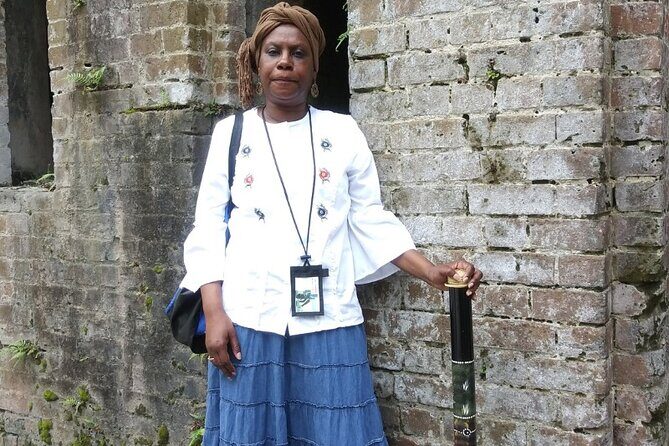
If you want history that sounds like it belongs in a classroom and a story circle at the same time, this tour delivers. The guide is billed as a Master Gullah Geechee Truth-Teller, and the narration leans into humor and direct truth, not filler. Names you may hear in the mix include Sistah Patt and Sister Rosalyn, depending on the day.
What makes this approach work for most people is the structure. The tour doesn’t just list facts; it ties events to the growth of Savannah and the systems that made slavery profitable. You end the experience with a clearer picture of how the city’s layout and wealth were connected to forced labor.
Other walking history tours in Savannah



Where you start in Savannah (and why that matters)
The tour begins at 223 Martin Luther King Jr Blvd, Savannah, GA 31401, and ends back at the same point. Expect about 3 hours total, with 2 to 2.5 hours of narrated touring inside that window. Morning and afternoon times are available, which helps if you’re building your day around other plans.
This is also one of those tours where timing matters. Savannah’s heat and humidity can make walking days feel longer, so a guided format with a bus rhythm can be a practical fit. Plus, the tour is offered in English and uses a mobile ticket, which cuts down on desk time.
Group size is capped at 32 travelers, so you’re not stuck shoulder-to-shoulder with a huge crowd. The flipside is that you still might want to get there a few minutes early so you can settle in comfortably.
River Street: the forced-labor story behind the warehouses
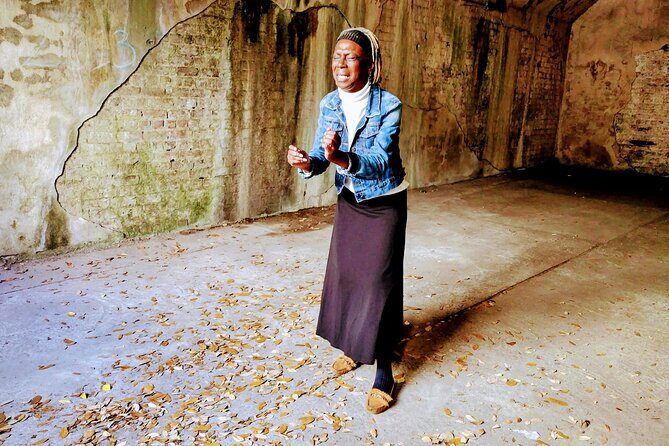
Your first major stop centers on what happened to West African peoples who were routed to Savannah. The tour frames this as the starting point for the slave labor that built and supported the warehouse world along River Street.
Even if you’ve been to River Street before, this is the kind of narration that changes what you notice. Instead of just thinking about shops, river views, and historic streets, you start thinking about labor, logistics, and why certain areas were developed the way they were. The story connects the human cost to the economic engine of the city.
Practical tip: when you see the River Street area from the bus, look for how the waterfront and storage spaces fit together. The tour’s explanation is easiest to follow if you pay attention to the layout, not just the scenery.
Johnson Square: where the auction block becomes a real location
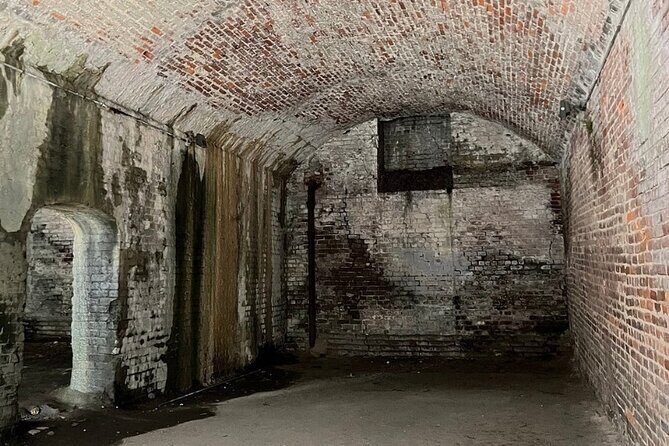
Next comes Johnson Square, one of Savannah’s most recognizable public spaces. Here, the narration zeroes in on where enslaved people were auctioned off—turning a pretty square into a site with a heavy meaning.
What I like about this stop is how it avoids vagueness. Instead of giving you a general statement about slavery, it points to a specific place and explains what that place represented in the system of sale and control. That’s the difference between knowing facts and understanding how the city functioned.
Considerations for your visit: this is an emotionally intense stop. If you’re traveling with kids, go in with the mindset that questions are normal and reactions can be strong. If you’re sensitive to cruelty in any form, give yourself some space to process during the narration and keep your own pace.
The freedom route and the Second African Baptist Church
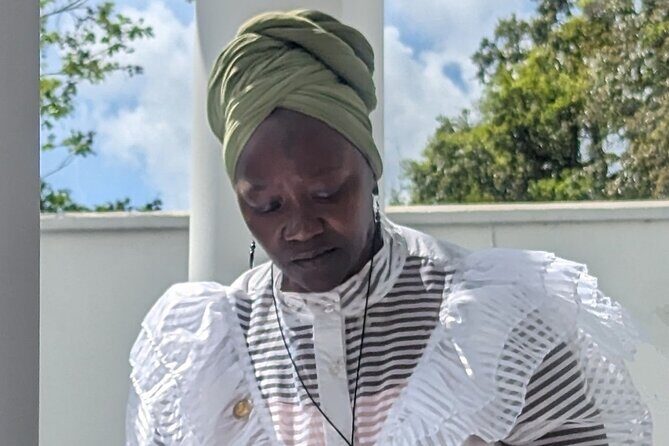
After the auction and sale story, the tour pivots toward survival and liberation. You’ll learn about the incredible journey to freedom, and then you board the vehicle to travel past the Second African Baptist Church.
That route section matters because it changes the feel of the tour. You’re still in the same city, but the narrative energy shifts from forced movement to the idea of escape, community, and eventual freedom. For many people, this is where the tour becomes more than history—it feels like a map back toward dignity.
You won’t be stuck in long walking loops here. It’s more of a guided ride with narration, which makes it a workable choice if you don’t want your whole afternoon tied up in nonstop steps.
Other African American and Gullah Geechee history tours in Savannah





African American Monument and Laurel Grove Cemetery: why these stops stick
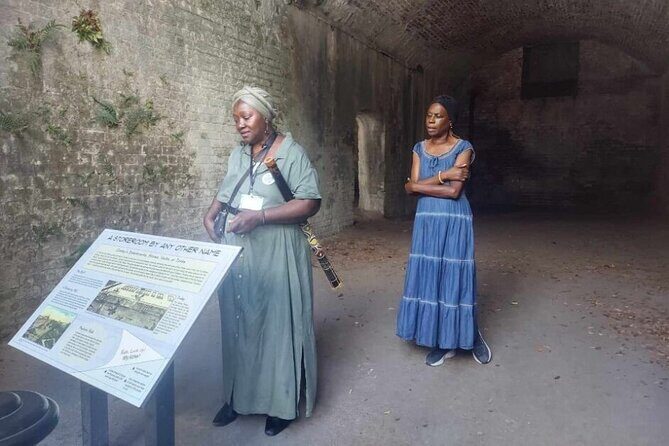
The tour includes two major named components beyond the street-level stops: the African American Monument and Laurel Grove Cemetery.
Why these matter: monuments and cemeteries can feel like passive landmarks on a typical sightseeing day. In this tour, they function like anchors. They bring the story into physical space where you can pause, reflect, and understand that history isn’t just something that happened somewhere else.
Laurel Grove Cemetery is also a reminder of time depth. You’re not only looking at one chapter; you’re seeing how memory and community persist in Savannah’s landscape. If you like tours that help you connect past and present, these are the kinds of stops that deliver.
Sister Patt and Sister Rosalyn: storytelling that keeps people listening
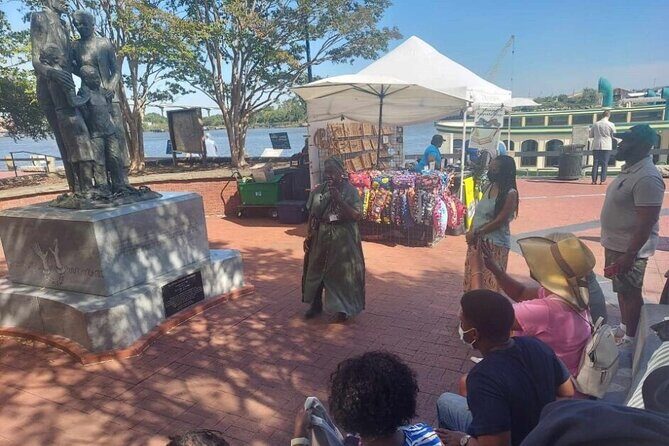
A major reason this tour earns a near-perfect rating is the guide. Sistah Patt is repeatedly described as a ball of energy with humor and history blended together, and the tone is often praised as both factual and emotionally honest. Sister Rosalyn shows up in other sessions as well, with visitors noting her organization and comfort level on the tour.
One theme you’ll see in the way people talk about the guide: the narration isn’t padded. The tour keeps moving, and it’s interactive in the sense that you’re encouraged to pay attention to relationships between locations and events.
A small but real tip: bring something to write with. One visitor described taking feverish notes on a phone app, and the reason is simple—there’s a lot to remember, and the tour moves at a faster pace than casual strolling.
Price and value: what $54.78 buys you
At $54.78 per person for about 3 hours, this sits in the midrange for guided tours, but it’s not a generic overview. You’re paying for specific-location storytelling and for a guide who is bringing a focused narrative to multiple historic points.
Here’s what you’re getting with the ticket:
- A narrated tour lasting about 2–2.5 hours
- Stops that include Johnson Square and the African American Monument
- Laurel Grove Cemetery as part of the included experience
- A guide billed as Sistah Patt, with other guides listed for certain tours such as Sister Rosalyn
- A small-group cap of 32 travelers
What’s not included:
- Gratuities for guides
- Bottled water
- Cost of parking
For most people, the value comes down to this: you’re not just buying a route on a map. You’re buying interpretation, and that interpretation is the main product here.
If you’re comparing prices, also compare how many meaningful stops you get and whether the guide explains why each place matters. This tour is built around that kind of connection.
Who this tour is best for (and who should plan carefully)
This is a great fit for history buffs of all ages, especially if you want more than surface-level Savannah facts. It also works well for adults who want a clear, grounded explanation of slavery’s role in the city’s growth and economy.
Families can also enjoy it, but read this as a heads-up: some kids find the topic too intense, while others respond well. If you’re bringing children, I’d suggest you set expectations beforehand. Tell them you’ll be learning about difficult parts of history, and that it’s okay to ask questions or take a breather.
For solo travelers, this can be a strong way to feel connected to the city without having to plan every stop yourself. For couples and friends, it’s the kind of experience you’ll likely talk about for days afterward, because it changes your understanding of what you’re seeing.
Photo time and walking pace: manage your expectations
One practical reality: this is largely facilitated via a bus, with limited stops for getting out. On at least one tour, people reported stepping out only once during the experience.
That doesn’t mean you won’t get photos. It means your best shots may be from the bus window or during shorter moments when you stop. So, if your plan is lots of long photo walks, this tour may not match your style.
My advice: bring a phone charger if you rely on it, and plan to take photos quickly when you can. Also, bring water from outside if you’re sensitive to heat. Bottled water is not included, and you’ll enjoy the narration more if you’re comfortable.
Weather and comfort: the day-of factor
The tour requires good weather. If conditions aren’t right, you’ll be offered a different date or a full refund. Like many outdoor-and-street-format experiences, you’ll enjoy it more when the day cooperates.
Comfort-wise, bus tours are usually easier than all-day walking tours. Still, it’s smart to wear breathable layers. Savannah mornings and afternoons can swing fast between pleasant and sticky.
Book it or skip it: my call
I’d book this tour if you want Savannah’s slavery-to-freedom story told with clear locations, sharp structure, and a guide who knows how to hold attention. The guide style—especially with Sistah Patt’s truth-telling and humor—seems to be the main reason people rate it so highly, and it’s an experience that many visitors describe as life-changing.
Skip it if you want a light, casual sightseeing day with lots of time on your own. Also skip or approach carefully if you know the topic will be too intense for your group, especially younger kids.
If you’re deciding between generic city history and something more specific and honest, this is the stronger pick.
FAQ
How long is the Savannah Slavery to Freedom guided history tour?
It runs about 3 hours (approx.), with 2 to 2.5 hours of narrated touring included.
What does the tour cost, and what’s the currency?
The price is $54.78 per person.
Where does the tour start, and when does it end?
It starts at 223 Martin Luther King Jr Blvd, Savannah, GA 31401, USA, and ends back at the same meeting point.
What’s included with the ticket?
The ticket includes a narrated tour, the African American Monument, Johnson Square, Laurel Grove Cemetery, and a Master Gullah Geechee Truth-Teller experience (including Sistah Patt).
Is the tour available in English, and will I get a ticket on my phone?
Yes, it’s offered in English and you’ll receive a mobile ticket.
Can I bring a service animal?
Yes, service animals are allowed.
Is there an ADA accessible vehicle option?
You can request an ADA accessible vehicle with 24-hour advance notice.
How big is the group?
The tour/activity has a maximum of 32 travelers.