REVIEW · SAVANNAH
Savannah: African American History Tour
Book on GetYourGuide →Operated by Kelly Tours - Gray Line Savannah · Bookable on GetYourGuide
Savannah gets real fast. This African American history tour takes you through the coastal city’s slave-trade past using familiar landmarks—then turns them into something you can actually understand. I especially love how the tour connects specific Savannah locations to the people forced to build the port, work the warehouses, and endure family-breaking violence.
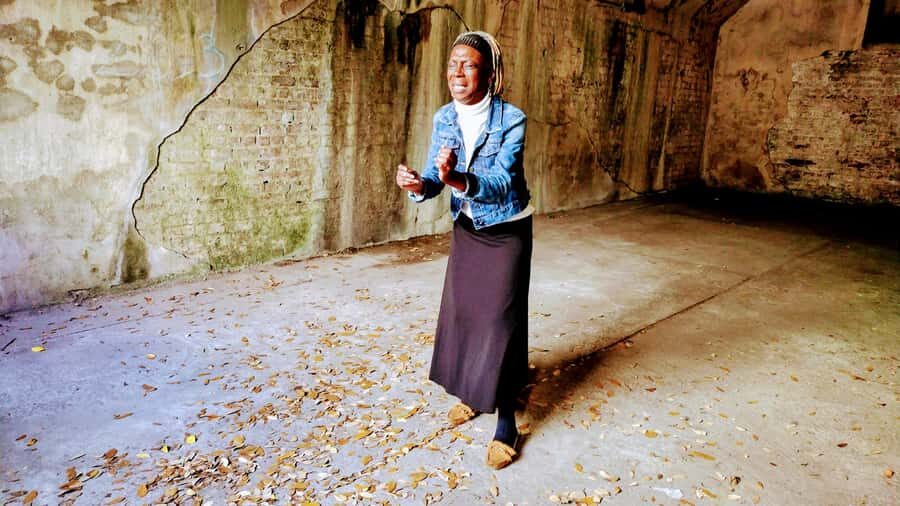
I also like that the guide’s approach is more than dates and architecture. Sister Pat (often called Ms. Pat or Sister Pat) tells the stories with clarity, emotion, and context—so the city stops feeling like a pretty backdrop. One thing to consider: it’s not built for mobility impairments, and at each stop you may spend a long time standing.
In This Review
- Quick hits
- A Savannah History Tour That Doesn’t Look Away
- Who This 3-Hour Bus Tour Works Best For
- River Street: Warehouses, Cotton, and Forced Labor
- Taylor Square and Franklin Square: Reading the City’s Public Space
- Johnson Square Auction Ground: The Horror in Public View
- Green-Meldrim House and the Second African Baptist Church
- The Storytelling Style: Music, Performance, and Emotional Context
- Price and Logistics: Is $68 a Good Value?
- What to Bring (and What to Expect at Stops)
- Who Will Love This Tour Most
- Should You Book This Savannah African American History Tour?
- FAQ
- How long is the Savannah African American History Tour?
- What does the tour cost?
- What’s included in the price?
- What language is the tour guide?
- Which places in Savannah are covered?
- Do I need to walk a lot?
- What should I bring?
- Is alcohol or any other substances allowed?
- Is there free cancellation and a way to pay later?
Quick hits
- Sister Pat’s truth-telling style gets credited again and again for clarity, passion, and context
- River Street and Johnson Square are treated like key evidence, not just photo spots
- Green-Meldrim House and the Second African Baptist Church bring the story into real community spaces
- A bus tour format keeps you moving without huge distances, but standing time still matters
- Live narration is the point, including music and a short performance noted in reviews
A Savannah History Tour That Doesn’t Look Away
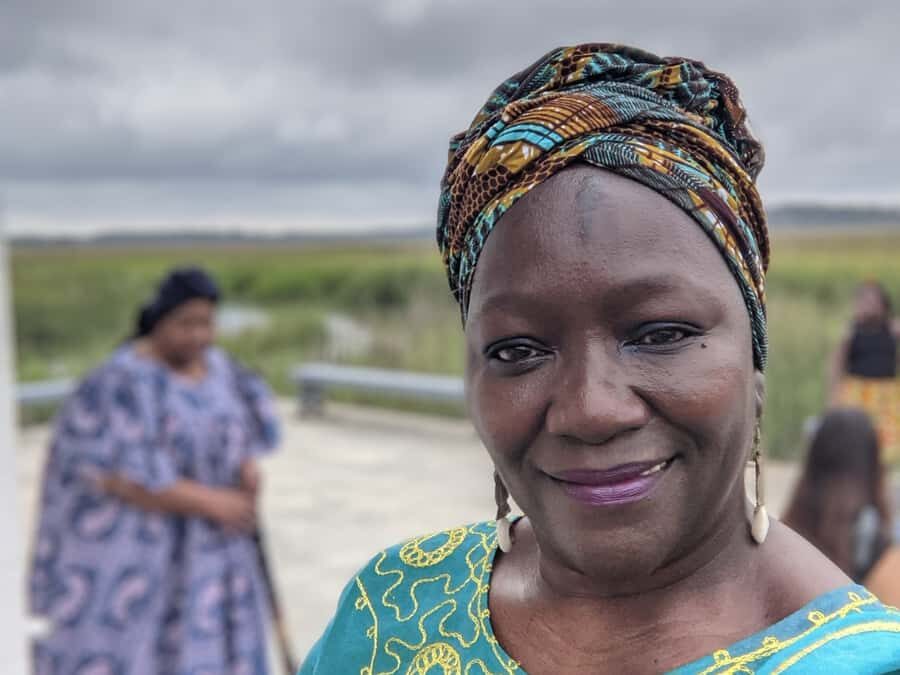
If you’ve ever walked through Savannah thinking you understood the city because you can name the squares, this tour is a reset. The tour focuses on the African American journey from slavery to freedom on the coast—showing how the port made some people wealthy and how the labor system crushed others.
What makes it compelling is the way the story is tied to the city’s layout. You don’t just learn about slavery in the abstract. You connect it to River Street warehouses, shipping activity, auction sites, and the religious/community spaces that helped people survive and organize.
Other walking history tours in Savannah


Who This 3-Hour Bus Tour Works Best For
This experience is 3 hours long and includes a bus, so you’re not doing an all-day walking grind. That matters in Savannah, where heat, humidity, and uneven sidewalks can turn a “quick tour” into a slog.
You’ll get live narration in English from the tour guide, and the transport quality is highly rated (90% of reviewers gave it a perfect score). If you want a guided lesson that moves at a steady pace and keeps you looking at the right buildings, you’ll probably like the format.
One caution: it’s not suitable for people with mobility impairments. Even though the distance is limited, you may still need to stand at stops for an extended time. If standing is hard for you, plan around that reality.
River Street: Warehouses, Cotton, and Forced Labor
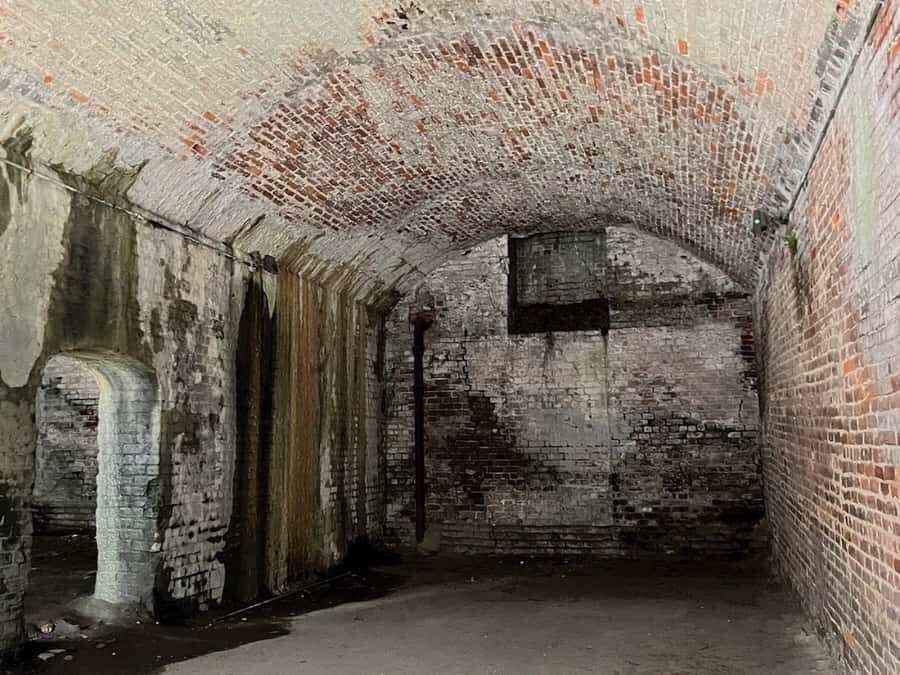
River Street is where Savannah turns into a working machine. On this tour, you learn how the port economy relied on enslaved labor—especially the kind of labor that built and kept the warehouses running along the waterfront.
Here’s the key idea you’ll take with you: the landmarks don’t just sit there aesthetically. They connect to labor systems and profit channels. You’ll hear about West African tribes that were routed to Savannah, and how enslaved people were used to build those warehouses and support the port.
You’ll also get the story of how cotton was shipped out to the United Kingdom. That might sound like a trade detail, but it’s more than a route on a map—it’s part of the mechanism of slavery-as-business. The tour also mentions storages that resemble old slaveholding bins, which helps you picture what confinement looked and felt like in a system designed to move people as cargo.
Taylor Square and Franklin Square: Reading the City’s Public Space
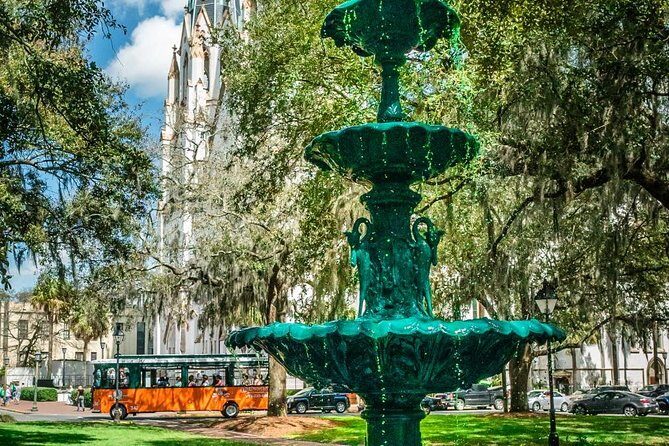
Savannah’s squares can look calm and orderly—brick, ironwork, and views that invite photos. This tour uses those same spots to ask sharper questions: who benefited from the city’s design, and who paid the price?
Taylor Square and Franklin Square are part of the route, and the tour helps you understand the city as a set of stages. Even if you aren’t physically walking far, the guide’s narration encourages you to look at the relationship between streets, public spaces, and the flow of goods and people.
One reason I like including squares is that they show how violence and commerce lived close to everyday life. If you’ve only learned slavery as a distant event, these stops help bring it into the real geography of Savannah.
Johnson Square Auction Ground: The Horror in Public View
Johnson Square is the stop that tends to hit hardest. The tour explains how enslaved people were auctioned there—an idea that turns the word square into something far more painful.
This is where the guide’s storytelling matters most. You’re not just getting a basic history outline. You’re hearing abominable details of what happened in that space and how public auctions functioned like business transactions. It’s the kind of history that doesn’t sit neatly in your brain, but it does something useful: it makes sure you understand the system, not just the outcome.
If you’re someone who wants context for why people fought for freedom, this is a major pivot point. Understanding how the system worked clarifies why emancipation and resistance weren’t abstract ideals—they were survival.
Other African American and Gullah Geechee history tours in Savannah



Green-Meldrim House and the Second African Baptist Church
Two stops help you move from “how the system operated” to “how people endured, resisted, and built community.”
The tour includes the Green-Meldrim House, which is significant for understanding local history through the lens of what the economy supported. The point here isn’t to treat a building like a prop. It’s to use architecture as a clue—what kind of wealth and social order were produced by slavery?
Then you shift into the Second African Baptist Church, which adds a different kind of meaning. A church in this story isn’t just a religious building. It represents community strength, spiritual survival, and a place where people gathered, organized, and carried hope through brutal circumstances.
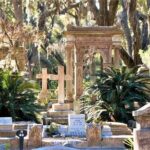
Some reviews also mention a cemetery stop as part of the experience. If that matters to you, it’s worth knowing that the tour may include an additional space for remembrance depending on the exact flow your group follows.
The Storytelling Style: Music, Performance, and Emotional Context
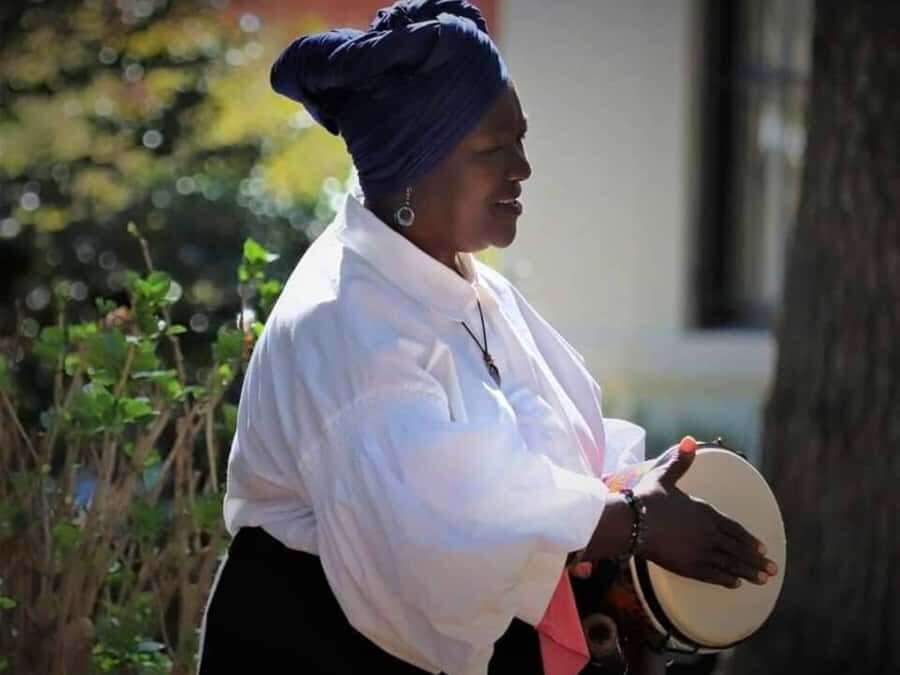
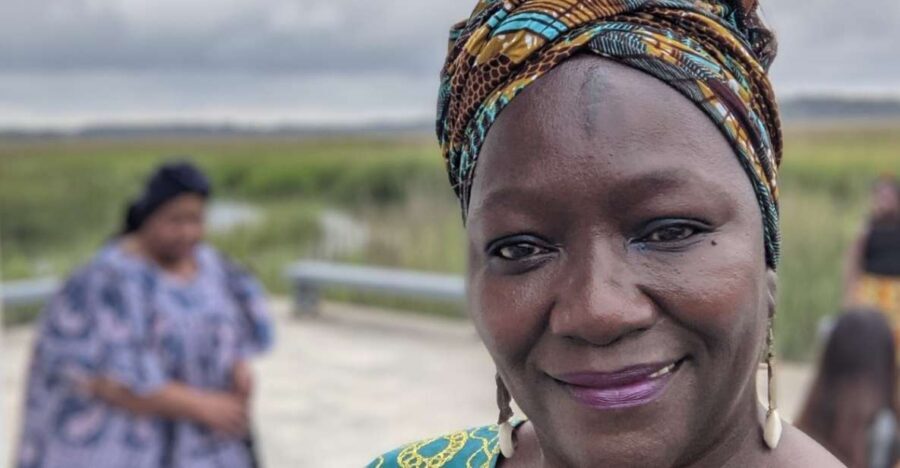
The biggest reason this tour earns such high scores is how it’s told. Sister Pat is repeatedly described as mesmerizing, passionate, and emotionally powerful, with storytelling that connects history to real human experiences—like families torn apart.
You’ll also notice the tour uses more than words. Reviews mention music, pictures, and even costumes and a short performance. That might sound extra, but it actually helps with retention. When history is just facts, it can feel far away. When the guide adds sound and imagery, it stays with you.
There’s another important element: the tour doesn’t treat the past like something sealed in a museum. Multiple reviews highlight an emphasis on truth, reconciliation, and healing, including the way symbolic details in brick and ironwork can connect to Gullah culture. Even if you’re not familiar with Gullah history, the guide’s explanations help you see patterns you might otherwise miss.
Price and Logistics: Is $68 a Good Value?
At $68 per person for a 3-hour tour, you’re paying for more than a ride around town. You’re paying for transportation (bus), a live guide, and structured narration that hits specific high-impact locations like River Street and Johnson Square.
For me, the value equation comes down to effort and focus. You’re not trying to piece the story together from guidebooks or random plaques. You’re getting a guided framework that links the city’s geography to slavery’s workings and the long road toward freedom.
Also, the transport quality is highly rated. When you’re sitting on a bus for a few hours, comfort and smooth handling matter more than people think. You get live narration in English the entire way, which helps you stay engaged rather than zoning out between stops.
Finally, the booking options are practical: you can reserve and pay later, and you get free cancellation up to 24 hours in advance for a full refund. That’s useful if Savannah weather could mess with your plans.
What to Bring (and What to Expect at Stops)
This is a historical tour with outdoor components, so pack like you’re walking around downtown. Bring comfortable shoes and weather-appropriate clothing, plus water and sunscreen. Sunglasses can help too, since Savannah light can be intense even when it’s mild.
Even though the route isn’t long, plan for standing time at each location. One review specifically noted lots of time spent at each point, and that can be tough if you’re sensitive to standing. If you need to limit standing, consider whether this pace will work for you.
One more practical note: alcohol and drugs aren’t allowed. That keeps the tour more focused and respectful of the topic.
Who Will Love This Tour Most
You’ll likely love it if you want a Savannah tour that’s honest and specific, not just picturesque. If you care about African American history and you want the local connection—how slavery shaped the port, the warehouses, and the public spaces where auctions happened—this tour fits that goal.
It’s also a strong pick if you’re the type of person who feels like other Savannah tours skim too quickly. The repeated praise for Sister Pat’s clarity and the sense of truth and context suggest you’ll feel like you got real depth rather than a surface overview.
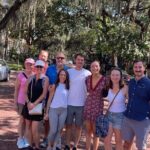
If you’re traveling with a group (like the reviews describe family or daughters), this can be a meaningful shared experience—especially because it uses storytelling, music, and emotion in a way that helps the material land.
Should You Book This Savannah African American History Tour?
Yes—if you’re open to hard history told directly, and you want Savannah explained through the people who were forced to live and labor under slavery.
This is not a casual “see the pretty squares” loop. It’s a 3-hour, bus-supported history lesson anchored to River Street, Taylor Square, Franklin Square, Johnson Square, and major landmarks like Green-Meldrim House and the Second African Baptist Church. The guide’s storytelling style is the main selling point, and the high ratings back that up.
Only skip or rethink it if mobility limits you, standing time will be a problem, or you’d rather learn this topic at your own pace in a quieter format.
FAQ
How long is the Savannah African American History Tour?
The tour runs for 3 hours.
What does the tour cost?
It’s priced at $68 per person.
What’s included in the price?
You get a bus tour, a tour guide, and live narration.
What language is the tour guide?
The live tour guide speaks English.
Which places in Savannah are covered?
The tour includes River Street and the nearby squares: Taylor Square, Franklin Square, and Johnson Square. It also includes the Green-Meldrim House and the Second African Baptist Church.
Do I need to walk a lot?
You might not walk far, but you should be ready to stand for extended time at stops.
What should I bring?
Bring comfortable shoes, sunglasses, sunscreen, water, and comfortable clothes that fit the weather.
Is alcohol or any other substances allowed?
No. Alcohol and drugs are not allowed.
Is there free cancellation and a way to pay later?
Yes. You can cancel up to 24 hours in advance for a full refund. You can also reserve now and pay later.