REVIEW · SAVANNAH
Savannah: ‘We Shall Overcome’ Black History Walking Tour
Book on GetYourGuide →Operated by Junket · Bookable on GetYourGuide
Black history in Savannah hits different when you’re walking it. This 2-hour tour threads together African cultural influence, the fight for freedom in the American Revolution, and the big broken promises after emancipation. The guide uses landmarks you’ll actually recognize around downtown, so the stories stick in your head while you’re still there.
I especially like how the tour connects everyday culture—food, music, and dance—to the people who carried those traditions through slavery and survival. You also get strong, specific history moments, like the Haitian soldiers in the American Revolution and the Underground Railroad stop at one of Savannah’s oldest churches. A possible drawback: it’s built for walkers, and it’s not for you if you can’t handle more than about a mile on your feet.
You meet right in the action at Yamacraw Square next to the three bronze children statues, and the experience moves fast. If you want a slow museum pace, this may feel too quick—but if you want smart context while you’re seeing the city, it’s a very solid use of time.
In This Review
- Key Things You’ll Notice on This Tour
- Why This Savannah Walk Works in 2 Hours
- Getting Oriented at Yamacraw Square (And Why the Start Matters)
- African Culture’s Impact: Food, Music, and Dance You Can Actually Picture
- Haitian Soldiers in the American Revolution: A Story Most People Miss
- Ellis Square and Famous Savannah Spots With Purpose
- Savannah Churches and Underground Railroad Secrets You’d Walk Past
- “40 Acres and a Mule” in Plain Language (Including the Broken Promise)
- Andrew Cox Marshall: When Black Leadership Changed the Cultural View
- What the Guide Brings: Storytelling That Makes Buildings Feel Alive
- Price and Value: Is $38 Worth a 2-Hour Walk?
- Logistics That Affect Your Comfort (Quick, Useful Stuff)
- Who Should Book This Tour (And Who Might Skip It)
- Should You Book: My Honest Recommendation
- FAQ
- How long is the Savannah We Shall Overcome Black History Walking Tour?
- How much does the tour cost?
- Where do we meet for the tour?
- What should I wear or bring?
- Is the tour only for sunny weather?
- Is there a limit on how far I can walk?
- Is the tour available for people with mobility impairments?
- What language is the tour conducted in?
- Are photos or video allowed?
- Is there any alcohol, smoking, or drugs allowed?
Key Things You’ll Notice on This Tour
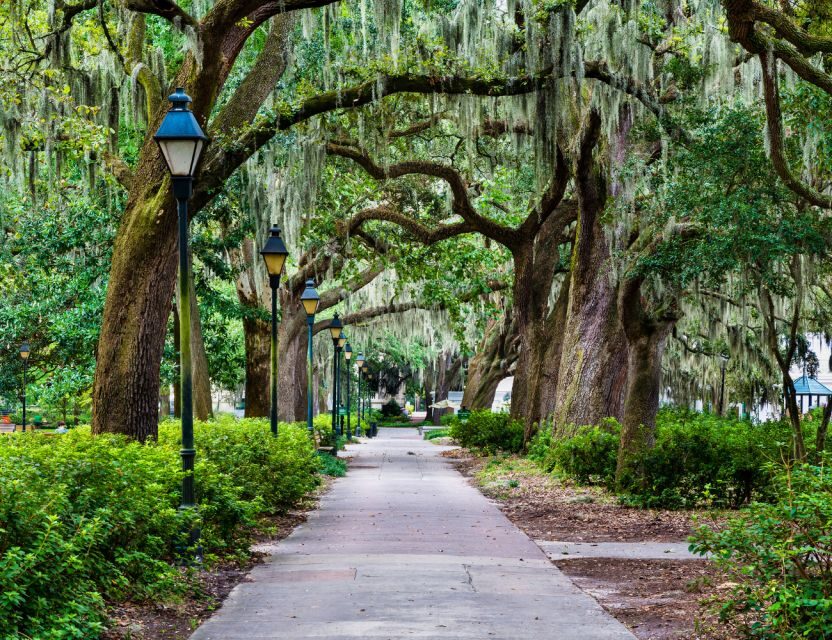
- Yamacraw Square start point that sets a grounded, local tone from minute one
- African roots in Southern culture explained through food, music, and dance connections
- Revolution-era Haitian soldiers and how their story fits Savannah’s larger record
- Ellis Square photo moments paired with explanations of what you’re looking at
- Underground Railroad clue-stop at a church tied to secret escape routes
- Sherman’s 40 acres and a mule promise explained with real-world fallout
Why This Savannah Walk Works in 2 Hours
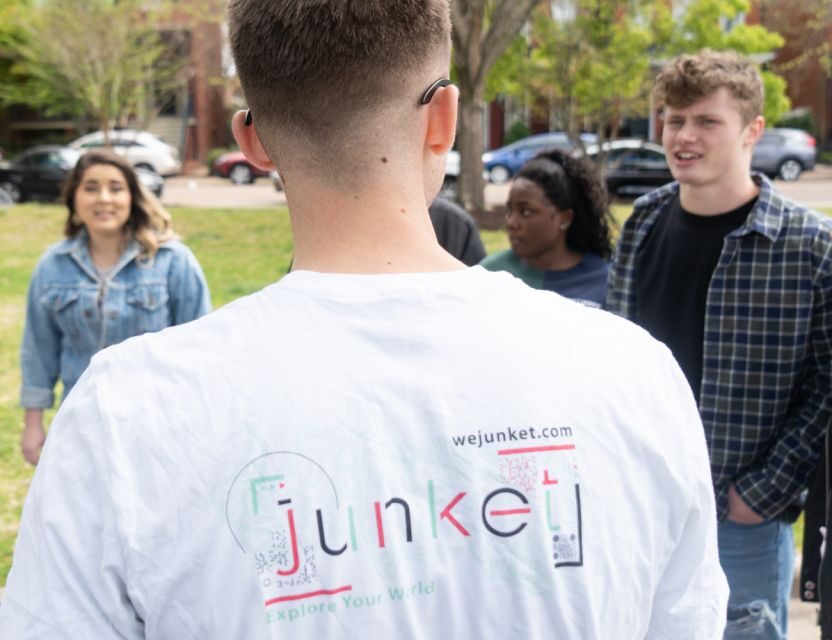
Savannah is great, but it can also be a little overwhelming. Too many squares. Too many plaques. Too many gaps where you wish someone would just put the pieces together. This tour does that job—without dragging on.
You’ll walk around downtown and stop where the story changes. The guide doesn’t just recite dates. They connect how people lived, what they made, and what power did to their choices. That’s why it lands. You’re not only learning; you’re watching history happen in the layout of the city.
Two things really make this worth your time:
1) Cultural connections. You’ll hear how African culture shaped Southern life—especially through food, music, and dance—so the history isn’t only about oppression.
2) Named people and specific events. You get anchors like Haitian soldiers during the Revolution, the Underground Railroad activity linked to an old church, and Black leadership such as Andrew Cox Marshall.
The main consideration is simple: the tour is not recommended if you can’t walk more than a mile. Comfortable shoes aren’t optional here. This is a walking story, not a sit-and-watch lesson.
Other walking history tours in Savannah



Getting Oriented at Yamacraw Square (And Why the Start Matters)
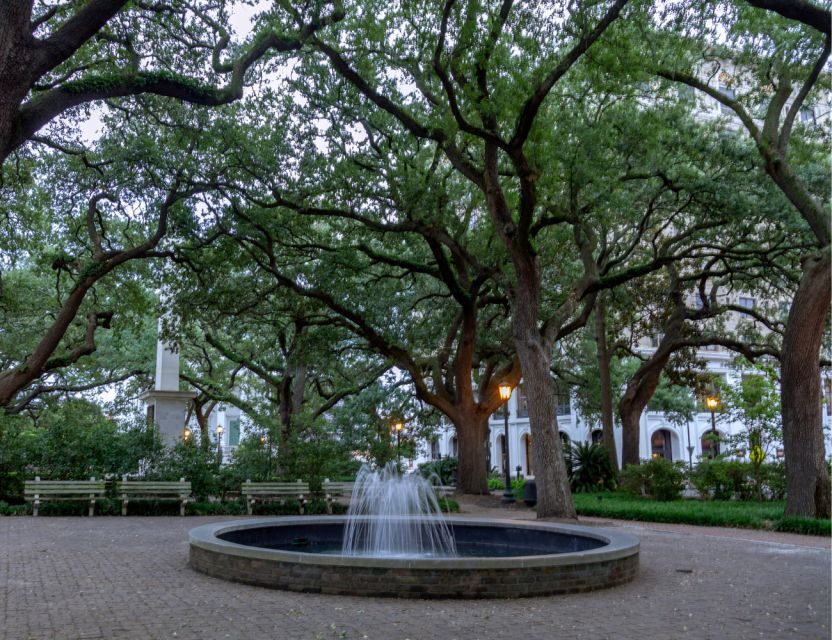
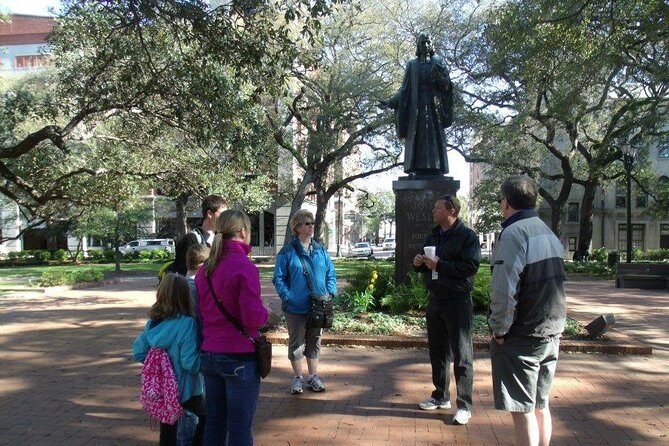
You begin at Yamacraw Square, 128 W Bay St, Savannah, GA 31401, right next to the three bronze children statues. That matters more than it sounds. Yamacraw Square is in the center of the action, and the guide uses the location to set a perspective on the city: this is Savannah as lived-in place, not Savannah as postcard.
Expect a quick early rhythm: you’ll get a sense of how the tour will move and what kind of connections you’ll be making as you go. From the start, the goal is clear—follow the footsteps of free and enslaved Black residents, and understand what they endured and built while being denied freedom.
Practical note: the tour happens rain or shine. Savannah weather loves surprises, so bring weather-appropriate clothing and keep your shoes ready for whatever the ground offers that day.
African Culture’s Impact: Food, Music, and Dance You Can Actually Picture
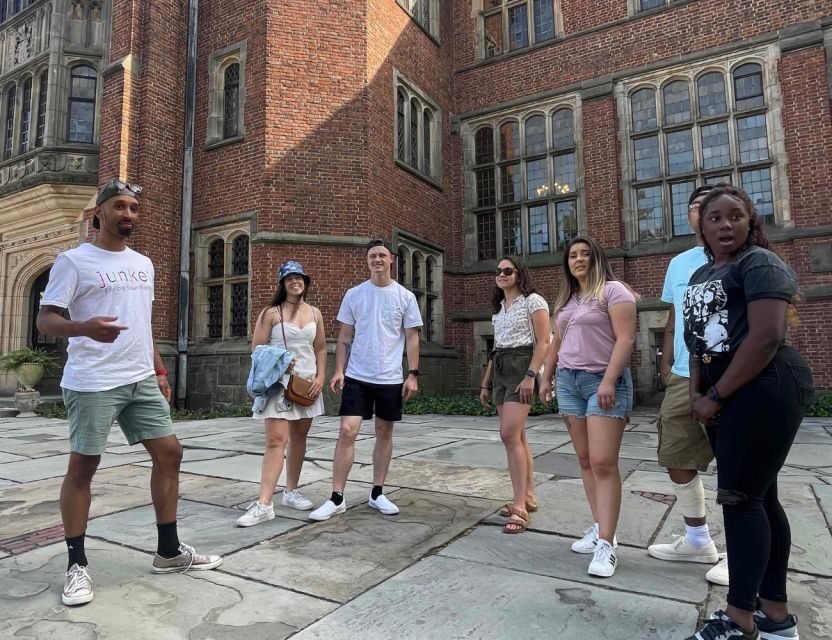
One of the strongest threads on this tour is how African culture shaped the American South. This isn’t presented as a vague idea of influence. You’ll hear it through the lens of Southern food, music, and dance—the kinds of things you can recognize even if you’re not a history nerd.
Here’s why I think this section hits: it treats culture as something people carried and protected. Even when slavery tried to erase identity, traditions persisted. And those traditions didn’t stay trapped in the past. They became part of the broader cultural fabric of the South.
You may find yourself looking differently at everyday things after this. A music style doesn’t just sound like a music style. A food practice doesn’t just taste good. On this walk, those details connect to survival, adaptation, and community memory.
This portion also makes the tour feel more balanced. Yes, the story includes terrible conditions. But it also includes creativity, rhythm, and continuing cultural power.
Haitian Soldiers in the American Revolution: A Story Most People Miss
Most people know the American Revolution history basics and move on. This tour gives you another layer: Haitian soldiers who fought in the Revolution, and how their presence fits Savannah’s broader historical web.
I like that it’s not treated like a random trivia fact. The guide ties it to the larger theme of people fighting for ideals while navigating a world built on inequality. It’s a reminder that the Revolution didn’t involve only one group, one geography, or one simple definition of freedom.
If you’ve ever wondered why the history feels incomplete, this is the kind of stop that fixes that feeling. The city becomes more complex, and you start noticing how often Black participation is present but under-credited.
Ellis Square and Famous Savannah Spots With Purpose
You’ll have time for gorgeous photos of famous Savannah landmarks, including Ellis Square. But you’re not standing there just for the view. The guide gives you context for what you’re seeing and why those spaces matter.
Photo-friendly does not mean shallow. The goal is to help you connect the physical geography—squares, streets, and civic spaces—with the human stories that unfolded around them.
A small practical benefit: because you’re walking and stopping, you don’t feel stuck trying to read everything on your own in the humidity. The guide acts like a human interpretive layer. You enjoy the architecture, but you also understand the why.
Other African American and Gullah Geechee history tours in Savannah





Savannah Churches and Underground Railroad Secrets You’d Walk Past
One of the most compelling parts of this experience is the focus on the Underground Railroad. You’ll learn that slavery was outlawed in the early years of the Georgia colony, and you’ll also get the kind of detail you just wouldn’t guess from the outside.
The tour includes a stop at one of Savannah’s oldest churches, described as a secret stop connected to the Underground Railroad. That’s the power of this type of walking tour: it helps you notice what the city doesn’t announce loudly.
Think about it. A church you might otherwise treat as just another historic building becomes a piece of a bigger escape network. The story turns a landmark into a lifeline.
As you move through this section, listen for how the guide frames the risks involved. The Underground Railroad wasn’t a polite itinerary. It was danger, planning, and survival, handled by ordinary people who chose to help when they could have stayed silent.
“40 Acres and a Mule” in Plain Language (Including the Broken Promise)
No Black history walk is complete without addressing the aftermath of emancipation. This one tackles the promise of 40 acres and a mule linked to Sherman—and crucially, what those promises meant on the ground for people who had just been forced from enslavement.
I appreciate that the tour doesn’t treat this as a myth floating around in pop culture. It’s approached as a real policy idea with real consequences. You’ll hear how the promise connected to freed slaves’ expectations—and how betrayal and power decided the outcome.
If you’re the type who likes cause-and-effect history (most of us are after a few trips), this section helps you understand why the story of freedom didn’t simply switch on and stay on. The details make it feel less like a slogan and more like lived reality.
Andrew Cox Marshall: When Black Leadership Changed the Cultural View
The tour also highlights Black community leaders, including Andrew Cox Marshall, and explains how leadership helped shift the cultural worldview of people of color.
This isn’t only about “surviving” history. It’s about shaping it. When you hear a name like Andrew Cox Marshall brought into the narrative with context, it changes the tone of the whole walk. The message becomes: people weren’t only dealing with oppression; they were building frameworks for cultural understanding and influence.
It’s a good reminder for your own interpretation when you’re back in Savannah later. If you’re just looking at architecture, you’ll miss the people. This tour keeps you anchored in the human choices behind change.
What the Guide Brings: Storytelling That Makes Buildings Feel Alive
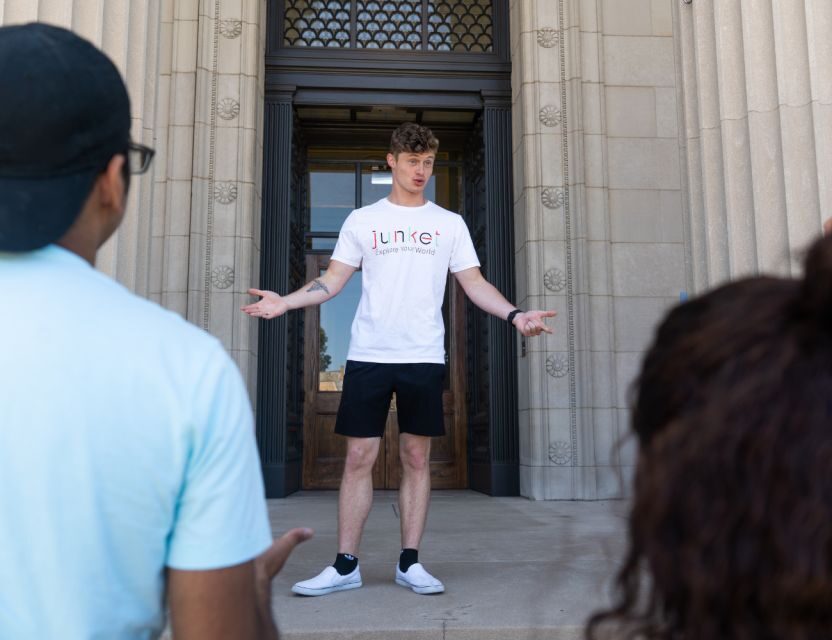
The tour’s success leans heavily on the guide, and the strongest praise points right here. You’ll hear about guides like Eric, described as a treasure trove of information who could point to any building and provide a story. Another guide mentioned is Mr. Sims, praised as a fantastic historian with storytelling that stayed engaging and confident.
What you should expect: a guide who mixes clarity with humor and keeps the pace moving. That matters because the tour is only 2 hours. You don’t want rambling. You want stories delivered so you can actually use them later.
If you enjoy learning that feels like conversation instead of a lecture, you’ll likely appreciate this style.
Price and Value: Is $38 Worth a 2-Hour Walk?
At $38 per person for a 2-hour walking tour, this is priced like a solid guided experience—especially because you’re getting more than “stand and read plaques.” You’re getting interpretation, connections between topics, and a guide who can tie together landmarks and bigger historical themes.
Here’s how I’d think about the value:
- If you’re short on time in Savannah and want context fast, the price is reasonable because you’re buying efficiency plus depth.
- If you’re the type who enjoys guided storytelling and wants someone to explain why places matter, this is a good match.
- If you’re expecting a long, slow crawl with tons of stops and extended time at each location, two hours may feel tight. (That’s not a bad thing. It’s just a different goal.)
Also, the tour includes well-researched, credible history and a knowledgeable guide—plus it’s designed as a concentrated route, which is exactly how I like to spend a half-day in a city.
Logistics That Affect Your Comfort (Quick, Useful Stuff)
This tour runs rain or shine, so wear weather-appropriate clothing. Bring comfortable shoes because it’s not a stroller-friendly stroll and it’s not set up for long sitting.
You should also know the boundaries:
- Not allowed: smoking, alcohol and drugs, and video recording
- Tour language: English
- It’s not recommended if you can’t walk more than a mile, and it’s not suitable for people with mobility impairments
One more practical detail: you’ll go through an express security check and skip the line. That’s handy when you’re trying to keep your day on track.
Who Should Book This Tour (And Who Might Skip It)
Book this if:
- You want the story behind Savannah that goes past the standard postcards.
- You like a guide who tells history with energy, humor, and confidence.
- You’re curious about how Black culture shaped the South through food, music, and dance.
- You want clear explanations of major themes like the Underground Railroad and Sherman’s 40 acres and a mule promise.
You might skip it if:
- You need a low-walking option.
- You’re looking for a long, self-paced museum-style visit rather than a focused 2-hour route.
- You’re uncomfortable with the tour handling tough topics while moving briskly through landmarks.
Should You Book: My Honest Recommendation
I’d recommend this tour if you’re in Savannah for a short stay and you want your city walk to mean something. The strongest parts are the way it connects culture to history, and the way it brings specific, important stories into the center of the downtown landscape—Haitian soldiers, Underground Railroad-linked church activity, Ellis Square context, and the 40 acres and a mule fallout.
The only reason not to book is if walking more than about a mile is an issue for you. Otherwise, for the price and the tight 2-hour format, it’s a smart, high-impact way to get a clearer, more honest Savannah.
FAQ
How long is the Savannah We Shall Overcome Black History Walking Tour?
It lasts 2 hours.
How much does the tour cost?
The price is $38 per person.
Where do we meet for the tour?
Tours meet in the center of Yamacraw Square, 128 W Bay St, Savannah, GA 31401, next to the 3 bronze children statues.
What should I wear or bring?
Wear comfortable shoes and bring weather-appropriate clothing.
Is the tour only for sunny weather?
No. The tour runs rain or shine.
Is there a limit on how far I can walk?
Yes. It is not recommended for people who cannot walk more than a mile.
Is the tour available for people with mobility impairments?
No. It is not suitable for people with mobility impairments.
What language is the tour conducted in?
The tour is in English.
Are photos or video allowed?
Video recording is not allowed.
Is there any alcohol, smoking, or drugs allowed?
No. Smoking, alcohol, and drugs are not allowed.